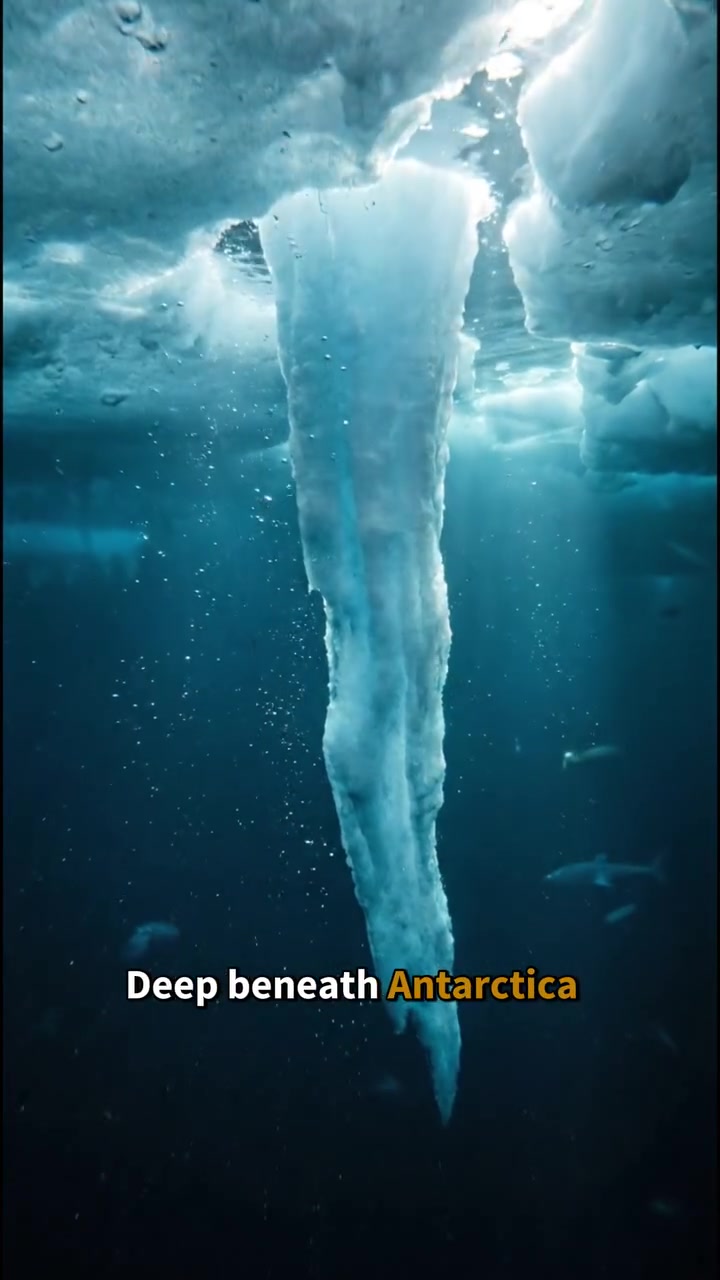
Ice descends from the Antarctic surface, freezing everything it touches. Scientists call it a brinicle, a less-than-label to a deadly phenomenon.
The Formation of the Brinicle
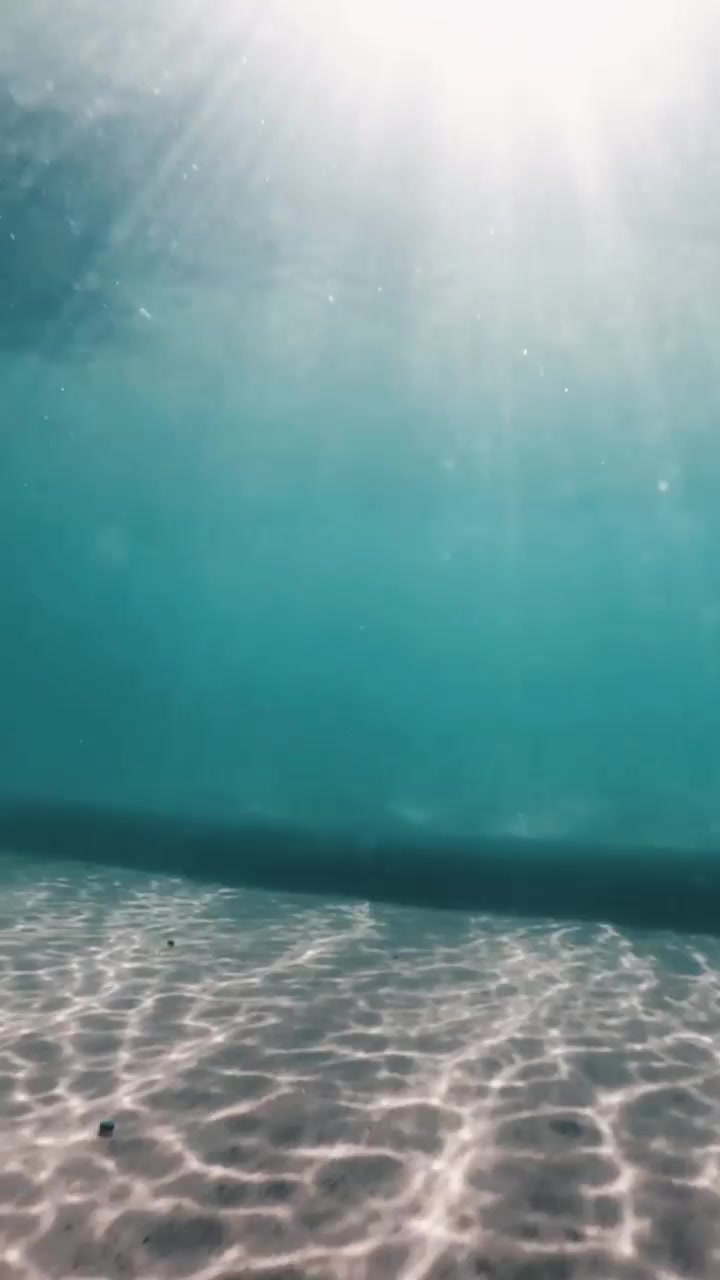
The brinicle is a stunningly cold underwater phenomenon. It starts when the sea itself begins to turn into ice at the surface. Salt escapes the ice, forming an extremely cold liquid. It is heavier than the water around it. This is the first step. The freezing brine then starts sinking from the surface toward the seafloor. As it falls to the depths, it freezes the water around it, creating a hollow tube of ice. This tube is a growing icicle of death reaching down through the black water. This ice formation, also known as a brinicle, "the finger of death" by scientists, freezes starfish, sea urchins, and any other creature that gets in its way. It widens and pushes across the seafloor. The brinicle itself is often hollow, with a layer of ice that grows on the outside. It freezes everything it touches, creating an underwater creeping silent river of ice. It traps the creatures of the deep no matter if they are alive or not.
How Brinicles Fit in Polar Research
The brinicle's existence is an example of how we continue to learn about the world. Scientists knew about brinicles as early as the 1960s, but capturing it on film proved to be elusive. The actual video footage of a brinicle was not recorded until 2011. This phenomenon has drawn scientific curiosity to the icy depths of Antarctica. Antarctica continues to be one of the least explored regions in the world. Cold conditions such as brine make research more difficult. Ice formations like brinicles create complex challenges and opportunities for scientists, from the nature of underwater ice to the impact on marine life. Shifting sea ice poses risks to Antarctic ecosystems. It can have unexpected impacts on Antarctica’s delicate marine ecosystems as well.
How Brinicles Change the Seabed
Every brinicle forms at the surface, where the sea itself begins to freeze. It begins with the salt, creating a liquid that is colder and heavier than the water around it. Then, as it falls, it freezes the water around it into a tube of ice. When the brinicle touches the seabed, it leaves an unforgettable mark. It doesn’t simply stop: it spreads across the surface and begins freezing everything beneath. So it can extend for over a metre and even connect to existing ice on the seafloor. Scientists have found evidence of this in underwater footage of Antarctica. The brinicle's impact on the Antarctic seabed stretches from the icy finger of death. It all starts way above in the dark waters. The salt in the sea water pushes down to the depths of the ocean and then leaves a silent freeze across the lakebed. This makes a river and pipeline of ice and killing This silences river of ice tragedy is not a complete freeze. it can trap Starfish and sea urchins [freezing to death in minutes]
The Magnitude of the Impact
The brinicle's deadly touch sends a silent watery death. It spreads across the sea bed. The freezing water comes in touch with creatures like starfish and sea urchins. It freezes them alive in just minutes. This creates rivers of ice traps creatures in the depths. The underwater ecosystems are affected at the very moment of freezing. The brinicle stops species from moving and spreading. They remain frozen in their final resting place. Ice structures like this mean that some of these seabed species will be forced out. Without an end to the sea ice in sight, these species are unable to survive.
A Footprint of Fatal Vulnerability
The deadliest signature of ice and cold in Antarctica is no less than a silent killer. The brinicle is a footprint of fatal vulnerability in the depths of the sea. Ice shapes the seafloor, despite being one of the most remote parts of the Antarctic. But brinicles leave behind a unique signature in the Antarctic seabed. Despite the 1960s discoveries and 2011 filming, it’s only one of many mysteries hidden beneath Antarctica’s icy surface.
The Bracing Future of Antarctic Exploration
Brinicles often go unnoticed in the ongoing research and exploration of Antarctica. This derivative of the underwater dead water is a mysterious force in the depths of the oceans. In the fleeting sense of the brinicle, science stands on the precipice of discovery. The pursuit of the brinicle phenomenon remains one of the daring paths of polar research. But it is not the journey of a breakthrough alone. It is a reflection of the way Antarctica’s hidden ice leads to the unknowns of what lies beneath. The search for answers, within the icy depths of the brine.
Watch the Reel
Questions readers ask
What exactly is a brinicle and how does it form?
A brinicle, also known as the 'finger of death,' is an underwater ice formation that begins when seawater at the surface starts to freeze. Salt is expelled from the ice, creating a cold, dense brine that sinks towards the seafloor. As it descends, this brine freezes the surrounding water, forming a hollow tube of ice that can trap and freeze marine life in its path.
Why is a brinicle called the 'finger of death'?
The brinicle is called the 'finger of death' because it freezes everything it touches, including sea creatures like starfish and sea urchins. As it spreads across the seafloor, it creates a silent, creeping river of ice that can trap and kill marine life in minutes.
How do scientists study brinicles, and what challenges do they face?
Studying brinicles is challenging due to the harsh conditions in Antarctica. Scientists have been aware of brinicles since the 1960s, but capturing footage of them was difficult until a video was recorded in 2011. The cold conditions and complex ice formations pose significant obstacles to research, but they also provide unique opportunities to learn about underwater ice and its impact on marine life.
What impact do brinicles have on the Antarctic seabed and marine ecosystems?
Brinicles leave a significant mark on the Antarctic seabed. They spread across the surface, freezing everything beneath and can extend over a meter and connect to existing ice. This process can trap and kill marine creatures, altering the delicate balance of the ecosystem. The impact of brinicles on the seabed highlights the broader effects of shifting sea ice on Antarctic marine life.
Can brinicles be found in other polar regions besides Antarctica?
The article focuses on Antarctica, but brinicles can theoretically form in any polar region where seawater freezes. The specific conditions in Antarctica, however, make it a prime location for studying this phenomenon. The extreme cold and unique ice formations in Antarctica provide a distinctive environment for brinicle formation and research.
Related deep dives
Similar reads based on topic and creator.
Recent articles
Fresh deep dives from the latest Reels we unpacked.


Comments
Be the first to comment.