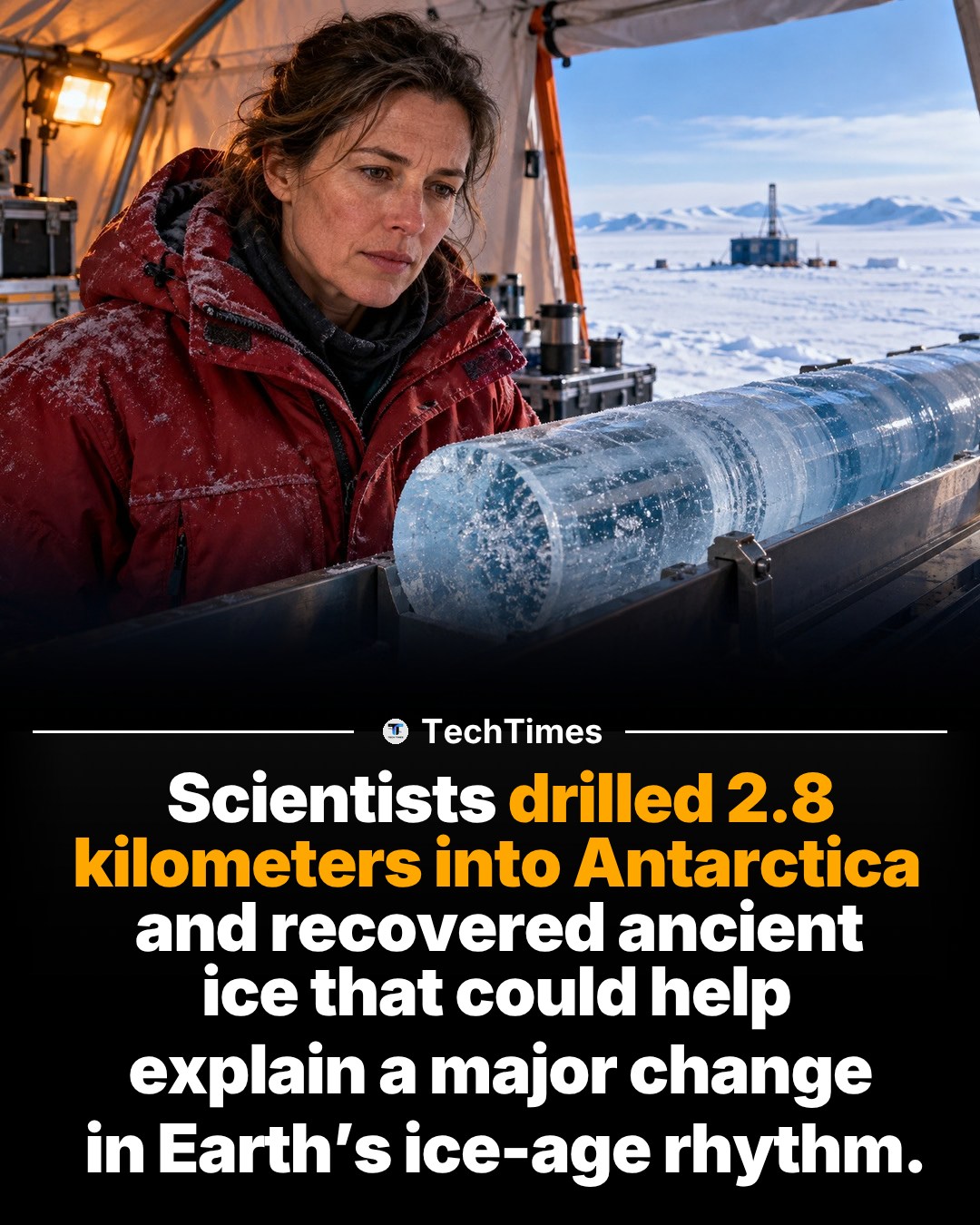
Scientists recently drilled 2.8 kilometers into the Antarctic ice, extracting an ancient ice core that could unlock mysteries of Earth's climate history. The ice core, a cylindrical sample of layered ice, is a unique time capsule, holding crucial clues to past climate conditions.
Ice core drilling: core science of the frozen record
An ice core is a cylindrical sample of ice drilled from a glacier or ice sheet. Each layer of the core represents a yearly snapshot of Earth's climate, trapping tiny air bubbles and particles that offer insights into atmospheric composition, temperature, and other environmental factors. Ice cores are felled in pristine environments, largely unaffected by pollution and human activity, making them invaluable for climate research. The process involves drilling deep into the ice using specialized equipment. Scientists then transport the core to a lab, where they slice it into sections and analyze each layer. Researchers can pinpoint changes in temperature, greenhouse gas concentrations, and even volcanic activity by examining the chemical composition of the ice. These findings help scientists reconstruct Earth's climate history, validate climate models, and better understand future climate scenarios. Deep ice cores reveal past climatic patterns that can help predict future ones. Scientists are currently focusing on 2.8 kilometers beneath Antarctica, seeking to understand major shifts in Earth's ice-age rhythm, potentially correlating with dramatic warming or cooling periods.
Climate detective: unseen stories trapped in ice
Each ice core layer offers a glimpse into Earth's history, revealing unprecedented insights into past climate events. These cores can pinpoint sudden climate changes, such as rapid temperature shifts, shifts in ocean currents, and volcanic eruptions. By studying these records, scientists can better understand the mechanisms behind abrupt climate changes. Ice cores also preserve records of atmospheric composition, including greenhouse gas concentrations. This data is crucial for calibrating climate models and predicting future climate trends. Researchers can compare current greenhouse gas levels with those from past warm periods, providing a baseline for understanding human-induced climate change. The ability to analyze ancient greenhouse gas levels is essential for distinguishing natural climate variability from anthropogenic influences. By understanding past climate changes, scientists can refine models and improve projections of future climate scenarios. This knowledge is crucial for developing effective climate policies and mitigation strategies.
The clock tower of climate: Antarctica’s deep-time drill
Ice core layers reveal earth's changing timeline
Ice cores provide a continuous, high-resolution record of Earth's past climate. By studying the layers, scientists can reconstruct the Earth's climate history with remarkable precision. The 2.8-kilometer Antarctic ice core is particularly valuable due to its depth and the length of climate history it spans, including the onset of the last ice age approximately 100,000 years ago. The ice core’s depth offers a rare opportunity to study the transition from glacial to interglacial periods. By analyzing the chemical composition and gas bubbles within the ice, researchers can determine the timing and causes of major climate shifts. This data helps to identify the natural drivers of climate change, such as changes in Earth's orbit and solar radiation, and to differentiate them from human-induced factors.
An ice core’s past: drilling history
The science of ice coring dates back to the mid-20th century, driven by the need to understand Earth's climate history. Early expeditions in Greenland and Antarctica established the groundwork for modern ice core research, demonstrating the potential of these frozen archives to reveal past climate conditions. Drilling has since evolved from simple hand auctions to sophisticated automated systems, capable of retrieving cores from unprecedented depths. The success of ice core research highlights the importance of international collaboration and cutting-edge technology. Drilling expeditions typically involve teams of scientists from multiple countries, each contributing unique expertise. The Antarctic ice core, for example, was retrieved through a collaborative effort involving drilling engineers, glaciologists, and climate scientists from various institutions.
Season of the core: drilling into the summer of the future
Every ice core’s edge: extracting a priceless sample
Extracting an ice core involves meticulous planning, advanced equipment, and ideally, calm, cold weather. Drilling teams target specific sites to maximize the scientific value of the core. In Antarctica, drilling occurs mostly during the Southern Hemisphere's summer months, when temperatures are relatively mild and daylight is abundant. The drilling typically occurs in layers, as the ice layers are examined and tested on the spot, then transported carefully to cold-storage facilities for analysis. Drillers use specialized rigs to stabilize the hole, retrieve cores, and prevent contamination. The drill sits inside a tent-like structure that maintains a sterile environment, ensuring that the extracted ice remains uncontaminated. The entire process is labor-intensive, requiring a coordinated effort among team members to operate the drill, extract the core, and manage logistics.
The 'What’ and 'Why’ of 2,800 meters
The 2.8-kilometer depth of the recent Antarctic ice core drilling was carefully selected based on the scientific objectives of the expedition. This depth is significant because it spans several glacial and interglacial cycles, including the most recent ice age and the current interglacial period. The core samples from this depth will provide invaluable insights into the mechanisms behind these major climate shifts. This could lead to a better understanding of the transitions between ice ages and warmer periods, helping to predict future climate changes.
Ice coring challenges: drilling in extremes
Drilling at such extreme depths in Antarctica comes with numerous technical and logistical challenges. The harsh environment, with temperatures as low as -50°C, requires specialized equipment and protective measures for the safety of the drilling team. Drilling teams must endure long deployments, living in remote field camps and working under harsh conditions to ensure the success of the mission. Drilling also requires careful management of resources, such as fuel and water, as these are essential for drilling operations. Despite the challenges, these drilling expeditions bring enormous scientific gains, enhancing our understanding of Earth's climate history.
Drill down: actionable science for the climate
How to appreciate ice cores:
- Visit: Institutions like the National Oceanic and Atmospheric Administration (NOAA) have ice core exhibitions and educational resources.
- Read: NOAA and the National Science Foundation (NSF) provide comprehensive resources that break down the science behind ice coring and its climate implications. Even for those unable to visit in person, these resources can offer accessible information about the importance of ice core research. Some institutions also provide virtual tours and online resources that explain the drilling process, the scientific analysis of ice cores, and their significance for understanding Earth's climate history.
- Engage directly: Participate in public lectures or webinars hosted by climate research institutions. These events often feature presentations by scientists who can explain the latest findings and answer questions. Engaging directly with experts can provide a deeper understanding of ice core research and its relevance to current climate concerns.
Watch the Reel
Questions readers ask
What exactly is an ice core and why is it important for climate research?
An ice core is a cylindrical sample of ice drilled from a glacier or ice sheet, and it's incredibly important because each layer represents a yearly snapshot of Earth's climate. These layers hold tiny air bubbles and particles that give scientists insights into atmospheric composition, temperature, and other environmental factors, making them invaluable for understanding past climate conditions.
How do scientists extract and analyze these ice cores?
Scientists use specialized equipment to drill deep into the ice, then transport the core to a lab. There, they slice it into sections and analyze each layer to pinpoint changes in temperature, greenhouse gas concentrations, and even volcanic activity. This detailed analysis helps reconstruct Earth's climate history and validate climate models.
So, what can this 2.8-kilometer ice core from Antarctica tell us about Earth's climate history?
This particular ice core is special because it goes back to the onset of the last ice age, about 100,000 years ago. By studying its layers, scientists can understand major shifts in Earth's ice-age rhythm, which can help predict future climate patterns and correlate with dramatic warming or cooling periods.
How do ice cores help in distinguishing natural climate variability from human-induced changes?
Ice cores preserve records of atmospheric composition, including past greenhouse gas concentrations. By comparing current levels with those from past warm periods, scientists can establish a baseline for understanding human-induced climate change. This helps in refining climate models and improving projections of future climate scenarios.
What kind of equipment is used to drill ice cores?
The process involves specialized drilling equipment designed to extract cylindrical samples from deep within glaciers or ice sheets. This equipment must be robust and precise to handle the extreme conditions and ensure the integrity of the ice core samples.
Are there any other locations besides Antarctica where ice core drilling is conducted?
Yes, ice core drilling is conducted in other locations as well, including Greenland. Each location provides unique insights into different aspects of Earth's climate history.
Related deep dives
Similar reads based on topic and creator.


Recent articles
Fresh deep dives from the latest Reels we unpacked.




Comments
Be the first to comment.