Angel Falls
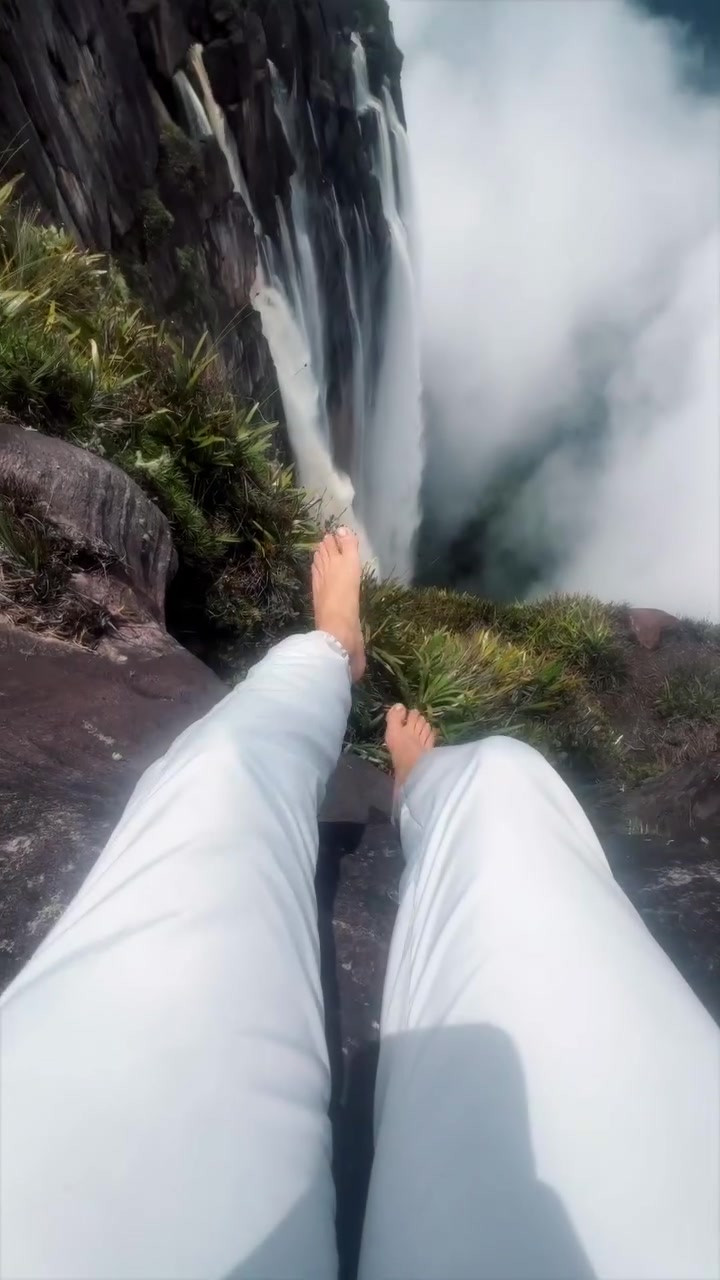
Dramatic water cascades, swirling mists, and a staggering drop-off: the mass of 16 sights, echoes, and forces that define Angel Falls. All 979 meters of it came into view for Jimmy Angel, an American aviator, in 1933 as he scouted the Caracas, Venezuela area of Canaima National Park. Though the waterfall could have been considered the sole subject of photos or videos at that time, the many elements of the scene reveal the true natural wonder.
Discovering Kerepakupai Merú
In the middle of Venezuela’s Canaima National Park, Angel Falls is an unrivalled waterfall. It is the tallest single-drop waterfall in the world — most of its 979-meter inclination is unimpeded and entirely plunging. That descent gets its nickname from the aviator who discovered the falls in 1933. The original name was Kerepakupai Merú, Pemon. Yet this water spectacle is a monument to much more than one’s discoveries and give it the name today. This waterfall offers tourists incredible observation points and a broad experience of adventure that has gained it global recognition and admiration.
Waterfall’s Multifaceted Breathtaking Character
The Edge of the Drop
A journey to view Angel Falls reveals a landscape distinctively different from the ordinary. It's a sculpture of water, rock, and the moss that grows on both the cliffside. While the waterfall is a main sight of the videos and photos, the cliff itself is iconic to its landscape. “The entire cliff edge,” wrote one of campamentouruyen in the live feed, “is a quote that offers ... dramatic drop-off into a misty abyss, creating a sense of adventure and awe.” The cliff’s edge is dangerous and slick as the drops connect to the field.
The name of the falls
Angel Falls is bounded in the world as a distinct discovery and one of Venezuela’s famous national parks. In 1933, Jimmy Angel marked history by crossing the are with a plane and becoming the first person to witness this amazing natural wonder. The waterfall was named after him. This aviator knew the dramatic drop would take his name. In 1949, Angel and his wife were stranded in this location during an inspection, but they were able to evacuate after some time. Angel Falls is truly what it says it is: a crown jewel. Kerepakupai Merú is the waterfall that Jimmy Angel himself named.
Adventurous Spirit
In Venezuela’s lush Canaima National Park, the thrill of adventure mingles with a unique natural wonder: Angel Falls, the world’s highest uninterrupted waterfall. Since its discovery in 1933, the waterfall has been more than a scenic attraction in Venezuela. It’s spurred countless expeditions, capturing the imaginations of adventurers and nature enthusiasts. At 979 meters, the continuous fall of water is like a chasm leading into a world of endless beauty. The waterfall’s distinctive shape and dramatic backdrop make it a compelling sight. Jimmy Angel’s name holds the spot of being the first to map out the landscape. The impact of the falls' natural grandeur lies in the park's diverse ecosystems—the forest, tepuis, and savannas. This is partially why the National Park has earned World Heritage status.
The Nine Most Famous World Heritage Sites
This waterfall is just one of the many waterfalls in Canaima National Park. Not only does the geology of the area include lagoons and slopes, but the fauna and flora of the tropical rainforest region are what make it a world-renowned location. Canaima National Park is the site of more than one German Mission, which spans 30,000 square kilometers of rocky top landscape, tepuis. The area's nine notable World Heritage landmarks make the park an extra-special world destination.
The Forces at Play
Nature’s forces are stark in this landscape — other than the waterfall are the mountains and the tepuis. The waterfall’s shape, and rocky base, show how streams of water continue through the rocks, countless years. The mixture of water and rock continues to leave its mark on Angel Fall’s landscape.
Get to Angel Falls
To stand at the edge of one of the world’s most stunning natural wonders, one must cross the Venezuela rainforests and their wildlife. Visit the park — inside the park, the journey to Angel Falls is 67 kilometers and the adventure begins at Puerto Ayacucho. The best way to head to the falls is a 4-hour boat trip from Puerto Ayacucho to Canaima.
Guide to Angel Fall’s
- Prepare: Plan for an arduous trip through various frequencies of the tropical forest, earthquakes, and volcanic events. The cam adventure is rugged, and it may take more than one day.
- Know your path: Before and during your visit, educate tourists on the unique mix of water and nature.
- Believe the guide: Be guided by the guide. Know the species of plants and animals that you may encounter on the way.
Watch the Reel
Questions readers ask
How did Jimmy Angel discover Angel Falls?
Jimmy Angel discovered Angel Falls in 1933 while navigating his plane over Venezuela's Canaima National Park. He was scouting the area around Caracas when he spotted the dramatic waterfall, which had been previously unnamed.
What is the significance of the cliff edge at Angel Falls?
The cliff edge at Angel Falls is iconic for its dramatic drop-off and misty abyss, which creates a sense of adventure and awe. It's a key part of the landscape, though it can be dangerous and slick due to the water droplets.
What is the original name of Angel Falls?
The original name of Angel Falls is Kerepakupai Merú, which is the Pemon name for the waterfall. It was renamed Angel Falls in honor of the aviator Jimmy Angel, who discovered it in 1933.
What makes Angel Falls a unique adventure destination?
Angel Falls offers a unique adventure experience due to its status as the world’s tallest single-drop waterfall and its location in the lush Canaima National Park. The falls provide incredible observation points and a broad experience of adventure, making it a must-visit for nature enthusiasts.
What is the impact of Angel Falls on the surrounding ecosystem?
Angel Falls is part of a diverse ecosystem within Canaima National Park, which includes forests, tepuis, and savannas. The natural grandeur of the falls and the park's unique landscapes have earned it World Heritage status, highlighting its ecological and cultural significance.
Related deep dives
Similar reads based on topic and creator.


Recent articles
Fresh deep dives from the latest Reels we unpacked.


Comments
Be the first to comment.