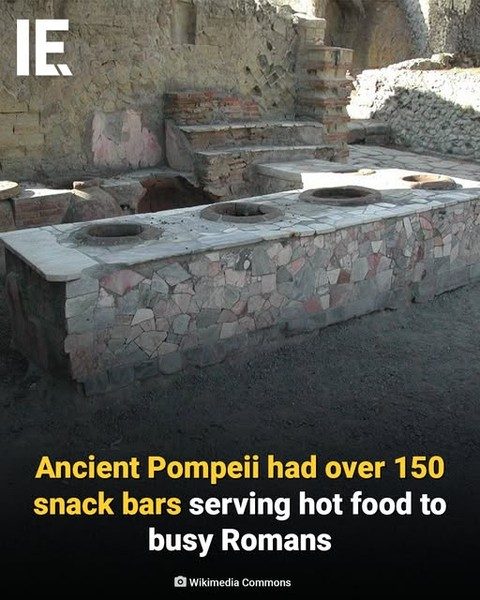
Ancient Roman Snack Bars: The Thermopolia of Pompeii
Historical images of ancient Roman ruins reveal more than just architectural marvels; they offer insights into the daily lives of ordinary Romans, particularly their dining habits. Among the most intriguing discoveries are the thermopolia, street-side snack bars that served quick, hot meals to busy Romans in ancient Pompeii.
Context
The thermopolia of Pompeii are a testament to the city's vibrant street culture and the Romans' penchant for convenient dining. Archaeologists have been excavating these fast-food counters in the Regio V area, uncovering artifacts that provide a vivid picture of how Romans ate, drank, and socialized on the go. This deep-dives into the thermopolia sheds light on their significance, design, and the role they played in ancient Roman society.
What Were Thermopolia?
Origin and Design
Thermopolia were essentially ancient street-side snack bars, often built into the walls of buildings. Archaeologists have unearthed more than 150 of these structures in Pompeii, indicating their widespread presence and popularity. These snack bars were equipped with built-in jars, or dolia, used for storing and serving various foods and beverages such as stews, bread, and spiced wine. The design allowed for easy access to these goods, making it possible for patrons to grab a quick bite while on the move.
Menu and Offerings
The menu at a typical thermopolium was straightforward and geared towards convenience. Stews, bread, and spiced wine were the staples, providing a balanced and filling meal for those who needed to eat quickly. The dolia, which were often stone or ceramic, kept the food and drinks fresh and at the right temperature. The jars also served as decorative elements, often adorned with colorful designs or symbols representing the items within.
Social and Cultural Significance
The thermopolia were more than just places to grab a quick meal; they were social hubs where people could gather, exchange news, and enjoy the company of others. The layout of these establishments—often located in busy streets or marketplaces—encouraged social interaction, making them integral parts of the community.
In Pompeii, the thermopolia served as meeting points for locals. The bustling environment of these snack bars, filled with the aroma of freshly prepared food and the sound of lively chatter, would have been a familiar and comforting sight to residents. They were places where people from all walks of life could come together, fostering a sense of community that transcended social and economic boundaries.
Practical Tips for Exploring Ancient Roman Snack Bars
Visiting archaeological sites like Pompeii offers a unique opportunity to step back in time and witness the remnants of a civilization. Here are some practical tips for exploring the thermopolia and other ancient Roman snack bars:
-
Research Beforehand: Familiarize yourself with the history and layout of the area. Knowing what to look for can enhance your experience and help you appreciate the significance of the thermopolia.
-
Join a Guided Tour: Guided tours often provide deeper insights and details that you might miss on your own. Experts can point out key features and artifacts, giving you a richer understanding of the thermopolia and their role in ancient Roman life.
-
Pay Attention to Details: Look closely at the architecture, the dolia, and any remaining artifacts. These details can tell you a lot about how these snack bars operated and what life was like for the people who frequented them.
-
Visit the Archaeology Museum: Many museums in the area have exhibits dedicated to the thermopolia and other aspects of ancient Roman life. These exhibits often include artifacts found during excavations, providing a more comprehensive view of the era.
-
Engage with the Site: Take your time to explore the ruins. Walking through the streets of Pompeii, imagining the hustle and bustle of the ancient marketplace, can be a profoundly immersive experience.
Important Takeaways
The thermopolia of Pompeii offer a fascinating glimpse into the daily lives of ancient Romans. These street-side snack bars, with their built-in jars for stews, bread, and spiced wine, were more than just places to grab a quick meal. They were social hubs that played a crucial role in the community, fostering a lively street culture that continues to intrigue archaeologists and visitors alike.
By uncovering these ancient fast-food counters, archaeologists in Regio V are not only revealing the convenience and efficiency of ancient Roman dining but also highlighting the deep historical roots of street culture. The thermopolia serve as a reminder that the desire for quick, convenient meals and social interaction is timeless, bridging the gap between the ancient world and our modern lives.
Conclusion
The thermopolia of Pompeii are a testament to the ingenuity and social vibrancy of ancient Roman society. These street-side snack bars, with their built-in jars and convenient layouts, were more than just places to grab a bite; they were integral parts of the community, fostering social interaction and cultural exchange. By exploring these ancient structures, we gain a deeper appreciation for the historical roots of modern dining habits and the enduring significance of street culture.
Watch the Reel
Questions readers ask
What were thermopolia in ancient Pompeii?
Thermopolia were street-side snack bars in ancient Pompeii where locals could grab quick, hot meals. They were integrated into the walls of buildings, making them a convenient spot for busy residents to dine on the go.
What types of food were typically served in Pompeii's thermopolia?
The menu at Pompeii's thermopolia varied but often included foods like garum, a popular fish sauce, and other hot dishes, such as stews, fish, and meat, which were easy to prepare and consume quickly.
How were thermopolia designed and constructed?
Thermopolia were typically built into the walls of buildings and featured long counters with storage compartments and decorative elements, such as frescoes or mosaics. They had a large, built-in jar for storing hot water or other beverages, and some had seating areas for customers.
What role did thermopolia play in the social dynamics of Pompeii?
Thermopolia served as social hubs where residents could gather, interact, and exchange news. They were more than just places to eat; they were integral to the daily life and community bonding of Pompeii's inhabitants.
Why are thermopolia significant to understanding ancient Roman life?
Thermopolia provide a unique window into the daily habits, food preferences, and social interactions of ancient Romans. They highlight the convenience and communal aspects of Roman dining culture and give context to the city's bustling street culture.
How were thermopolia discovered and excavated?
Archaeologists have been uncovering thermopolia in the Regio V area of Pompeii. Excavations have revealed artifacts and structural elements that offer insights into how these snack bars were used and what kind of food was served. Ongoing research continues to deepen our understanding of these historic sites.
What can the artifacts found in thermopolia tell us about ancient Roman food culture?
Artifacts found in thermopolia, such as pottery, cooking utensils, and food remnants, provide concrete evidence of the types of food prepared and consumed. They also shed light on the methods of food preparation and storage, offering a more comprehensive view of Roman street food culture.
Related deep dives
Similar reads based on topic and creator.




Recent articles
Fresh deep dives from the latest Reels we unpacked.




Comments
Be the first to comment.