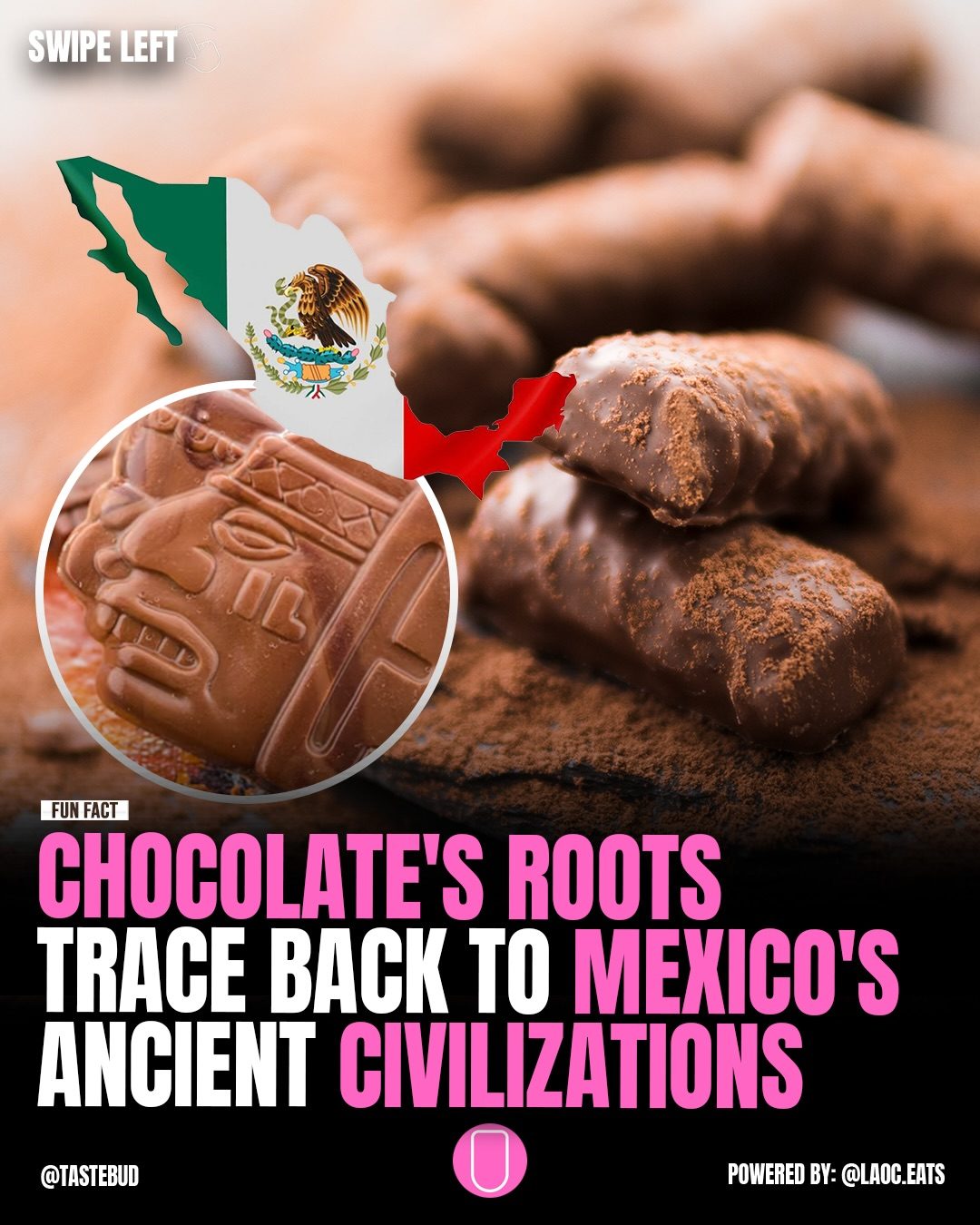
Chocolate's Origins
Chocolate, a beloved treat enjoyed worldwide, has a rich history rooted in ancient civilizations. The story of chocolate begins in Mexico, where it was first cultivated and cherished by the Olmec, Maya, and Aztec cultures. The journey of chocolate from a bitter drink to the sweeter version we know today is fascinating and reflects the blending of cultural practices and culinary innovations over centuries.
Context / Why this matters
Understanding the origins of chocolate provides insights into the cultural significance and evolution of this popular food. The transformation of cacao from a sacred beverage to a global confectionery is a testament to the power of cultural exchange and culinary innovation. By exploring chocolate's history, we can appreciate the depth of its impact on societies around the world and gain a deeper understanding of its enduring appeal.
Main discussion
The Sacred Cacao Bean
Cacao beans were highly valued in ancient Mesoamerican civilizations. The Olmec, one of the earliest known civilizations in Mesoamerica, are believed to have been the first to cultivate cacao trees around 1900 BC. These beans were not just a food source; they held immense cultural and spiritual significance. The Maya and Aztecs, who followed the Olmec, considered cacao sacred. They used the beans in religious ceremonies and even as a form of currency.
For the Maya, cacao was a divine gift from the gods. The beans were so valuable that they were often used to pay tribute, make offerings, and settle debts. The Aztecs, too, recognized the importance of cacao, often using it as a form of currency and incorporating it into their religious rituals. Both civilizations believed that cacao had healing properties and was a symbol of power and wealth.
From "Xocolatl" to Modern Chocolate
The Mayans created a bitter drink called "xocolatl," which is believed to be the earliest form of chocolate. This beverage was made from ground cacao beans mixed with water, chili peppers, and other spices. The resulting drink was bitter and spicy, far from the sweet treat we enjoy today. The term "xocolatl" comes from the Nahuatl language and translates to "bitter water."
When Spanish explorers arrived in the Americas in the 16th century, they encountered this bitter drink and brought cacao back to Europe. However, the Europeans found the bitter taste unappealing. Over time, they began experimenting with sugar and other sweeteners to make the drink more palatable. This transformation turned the bitter "xocolatl" into the sweet chocolate we know and love today. The addition of sugar, milk, and various flavorings has evolved chocolate into a diverse range of products, from dark chocolate to milk chocolate and white chocolate.
The Evolution of Chocolate Making
The process of making chocolate has evolved significantly over the centuries. Initially, the Mayans and Aztecs would ferment, roast, and grind the cacao beans into a paste. This paste was then mixed with water and spices to create the bitter drink. The Spanish introduced the process of adding sugar and other sweeteners, which made chocolate more accessible and enjoyable for a wider audience.
In the 19th century, advancements in chocolate-making technology further transformed the industry. The invention of the chocolate press allowed for the separation of cocoa butter from the cocoa solids, making it possible to create cocoa powder and solid chocolate bars. The development of the conching machine, which continuously stirred and aerated the chocolate mixture, improved its texture and flavor, resulting in a smoother and more consistent product.
Cultural Exchange and Global Spread
The global spread of chocolate is a story of cultural exchange and culinary innovation. As European explorers and traders brought cacao back to their homelands, it quickly became a popular commodity in European markets. Chocolate houses, similar to coffeehouses, became fashionable gathering places where people could enjoy the new beverage. The demand for chocolate grew, leading to the establishment of plantations in various parts of the world, including Africa and Asia.
Today, chocolate is enjoyed in countless forms and flavors, from traditional bars and confections to gourmet chocolates and artisanal creations. The rich history and cultural significance of chocolate continue to influence its production and consumption, making it a beloved treat around the world.
Practical Tips
If you're curious about exploring the origins of chocolate or want to try making your own chocolate treats, consider these tips:
Visit Chocolateries
Many cities have chocolateries that offer a glimpse into the art of chocolate-making. These establishments often provide tours and workshops where you can learn about the process and even try your hand at making your own chocolate.
Try Artisanal Chocolate
Artisanal chocolates are made with high-quality ingredients and traditional methods, often following recipes that have been passed down through generations. Trying different types of artisanal chocolates can give you a deeper appreciation for the craftsmanship and flavors that go into making chocolate.
Experiment with Recipes
If you're feeling adventurous, try making your own chocolate treats at home. There are numerous recipes available online, from classic chocolate truffles to more exotic creations. Experimenting with different ingredients and techniques can help you understand the complexities and nuances of chocolate.
Always remember that chocolate-making is both an art and a science, so don't be afraid to get creative and have fun with your culinary explorations.
Important Takeaways
Chocolate's journey from a sacred beverage in ancient Mexico to a global confectionery is a testament to its enduring appeal and cultural significance. From the sacred cacao beans of the Maya and Aztecs to the sweet treats enjoyed today, chocolate has a rich and fascinating history.
Understanding the origins of chocolate allows us to appreciate the depth of its impact on societies and cultures around the world. The transformation of "xocolatl" into the sweet chocolate we know today reflects the power of cultural exchange and culinary innovation. By exploring the history and evolution of chocolate, we can gain a deeper understanding of its enduring appeal and its place in our culinary traditions.
Conclusion
Chocolate's origins in ancient Mesoamerican civilizations reveal a rich tapestry of cultural practices and culinary innovations. From the sacred cacao beans of the Olmec, Maya, and Aztecs to the sweet treats enjoyed today, chocolate has a profound impact on our culinary traditions and cultural heritage. By appreciating the history and evolution of chocolate, we can better understand its enduring appeal and the depth of its significance in our lives. Whether you're a chocolate connoisseur or simply curious about its origins, exploring the world of chocolate offers a fascinating journey through time and culture.
Watch the Reel
Related deep dives
Similar reads based on topic and creator.




Recent articles
Fresh deep dives from the latest Reels we unpacked.




Comments
Be the first to comment.