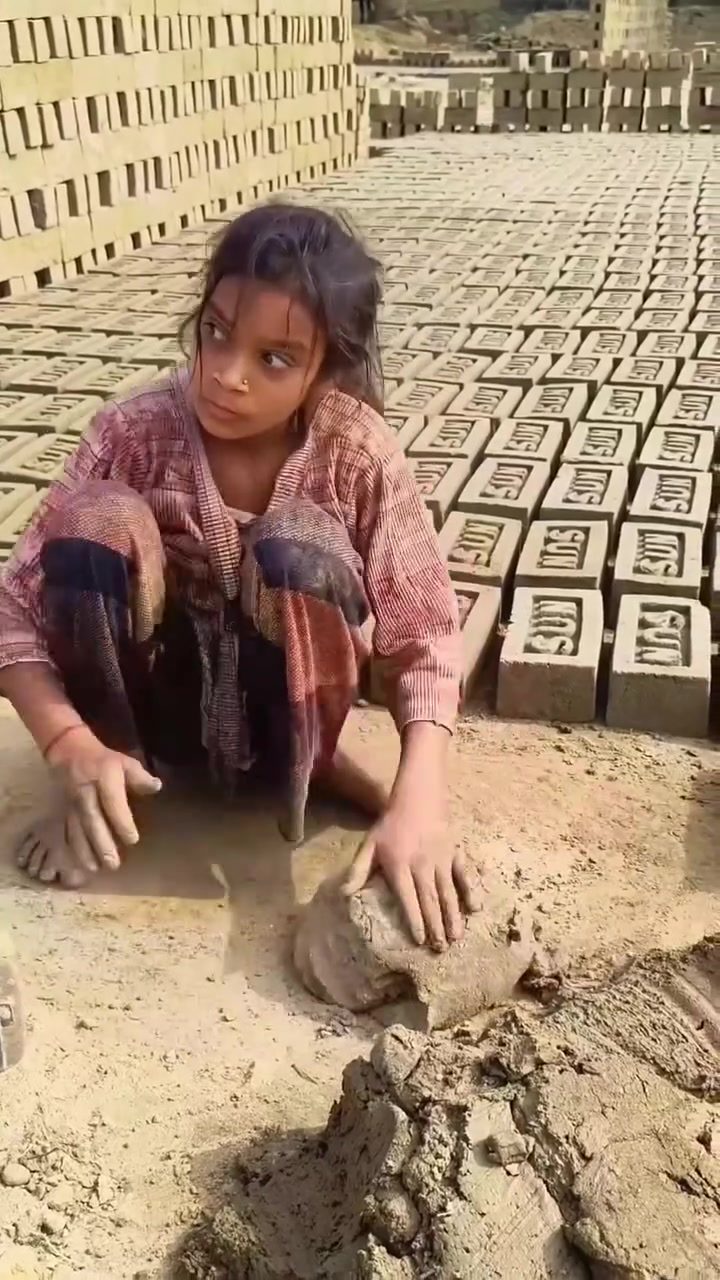
Brick Making: The Ancient Process Behind Modern Cities in India and Pakistan
Brick making is a cornerstone of construction in India and Pakistan, where entire cities are still built by hand. This traditional process involves a series of meticulous steps, from preparing the raw materials to baking the bricks in massive kilns. Understanding this process offers a glimpse into the manual labor and craftsmanship that form the foundation of these nations.
Why This Matters
The brick-making process is not just a method of construction; it is a vital part of the cultural and economic landscape. In regions where technology and automation are limited, this traditional approach continues to thrive. It provides employment to countless workers and supports the infrastructure development crucial for urban growth. Additionally, the methods used in brick making have evolved over centuries, blending ancient wisdom with practical innovation.
The Brick-Making Process
Preparing the Raw Materials
The process begins with the raw earth, which is a mixture of clay and water. Workers step into thick mud with their feet, mixing the materials like an ancient ritual. This method ensures that the clay is well- mixed and ready for molding. The clay, once prepared, is then shaped into bricks using simple wooden molds. This manual labor requires a great deal of skill and endurance, as workers shape thousands of bricks every single day.
Molding and Drying
Once the clay is shaped into bricks, they are laid out across vast fields to dry under the scorching sun. This drying process is crucial as it removes excess moisture from the bricks, preparing them for the next stage. The fields are often endless, stretching as far as the eye can see, filled with rows upon rows of drying bricks. This visual spectacle is a testament to the scale of the operation and the sheer number of bricks required to build cities.
The Firing Process
The final stage of brick making involves firing the bricks in giant kilns. Stacked like walls of a fortress, the bricks are slowly baked inside furnaces hotter than a volcano. Smoke fills the sky as workers carry heavy loads through dust and flames. This process transforms the raw earth into solid stone, ready for construction. The firing stage is critical as it gives the bricks their strength and durability, making them suitable for building structures that can withstand the test of time.
Practical Tips for Brick Making
While the traditional method of brick making is labor-intensive, there are some practical tips that can enhance efficiency and quality:
Quality of Raw Materials
Ensure that the clay used is of high quality. The best clay should be free of impurities and have a consistent texture. This will result in bricks that are strong and durable.
Proper Mixing
The mixing of clay and water is a crucial step. Ensure that the mixture is well-blended to avoid any lumps or inconsistencies. This will make the molding process smoother and result in better-quality bricks.
Efficient Drying
Drying the bricks under the sun is essential, but it should be done carefully. Ensure that the bricks are not exposed to extreme weather conditions that can cause cracks or deformities. Proper spacing between the bricks during drying is also important to allow for even drying.
Controlled Firing
The firing process should be carefully monitored. The temperature inside the kilns should be controlled to ensure that the bricks are baked to perfection. This will give the bricks their strength and durability, making them suitable for various construction purposes.
Worker Safety
Given the intense nature of the work, ensure that workers are provided with necessary protective gear and adequate breaks. This will help maintain their health and productivity.
Important Takeaways
- The brick-making process in India and Pakistan is deeply rooted in tradition and manual labor.
- Simple wooden molds and ancient rituals are used to shape thousands of bricks daily.
- The firing process in giant kilns transforms raw earth into solid stone, crucial for construction.
- Ensuring quality raw materials, careful mixing, efficient drying, and controlled firing are key to producing durable bricks.
- Worker safety and well-being are paramount in this labor-intensive process.
Conclusion
The brick-making process in India and Pakistan is a blend of ancient tradition and modern necessity. It is a testament to the skill and endurance of workers who, despite the harsh conditions, continue to produce bricks that build entire nations. Understanding this process not only appreciates the craftsmanship involved but also highlights the importance of manual labor in constructing the infrastructure of modern cities.
Watch the Reel
Questions readers ask
What are the main steps involved in traditional brick making in India and Pakistan?
The traditional brick making process in these regions involves several steps. First, raw materials like clay and mud are prepared and mixed. Then, the mixture is shaped into bricks by hand or using simple molds. Finally, the bricks are dried and fired in large kilns to achieve the desired hardness and durability.
How does traditional brick making support local economies in India and Pakistan?
Traditional brick making is a significant source of employment, providing jobs for numerous workers involved in mining raw materials, crafting bricks, and operating kilns. This process supports local economies by generating income and stimulating infrastructure development for urban growth.
What role do kilns play in the ancient brick making process?
Kilns are essential in the brick making process as they are used to fire the dried bricks. This step involves heating the bricks to high temperatures, which hardens the clay and gives the bricks their characteristic strength and durability. The kilns used in this process are often large and traditional in design, reflecting the longstanding craftsmanship.
Why are handmade bricks still commonly used in India and Pakistan?
Handmade bricks remain prevalent due to their affordability and the cultural significance of traditional craftsmanship. In many regions, the availability of labor and the simplicity of the process make it a practical choice for construction, especially in areas where automation is limited.
What types of raw materials are typically used in traditional brick making?
The primary raw material used in brick making is clay, which is often mixed with other materials like mud or water. The quality and composition of the clay can vary based on the region, but it is generally abundant in the areas where this craft is practiced.
How has the traditional brick making process influenced the architecture of cities in India and Pakistan?
The traditional brick making process has deeply influenced the architecture of cities by providing a foundational building material that is both durable and culturally significant. Many iconic structures and infrastructure projects in these regions are built using handmade bricks, contributing to the unique aesthetic and structural integrity of urban landscapes.
What are the environmental considerations of traditional brick making in India and Pakistan?
Traditional brick making can have environmental impacts, particularly in terms of energy use and emissions from kilns. However, efforts are being made to adopt more sustainable practices, such as using biomass or recycled materials. Additionally, many brick makers are working to reduce waste and improve efficiency to minimize their environmental footprint.
Related deep dives
Similar reads based on topic and creator.


Recent articles
Fresh deep dives from the latest Reels we unpacked.




Comments
Be the first to comment.