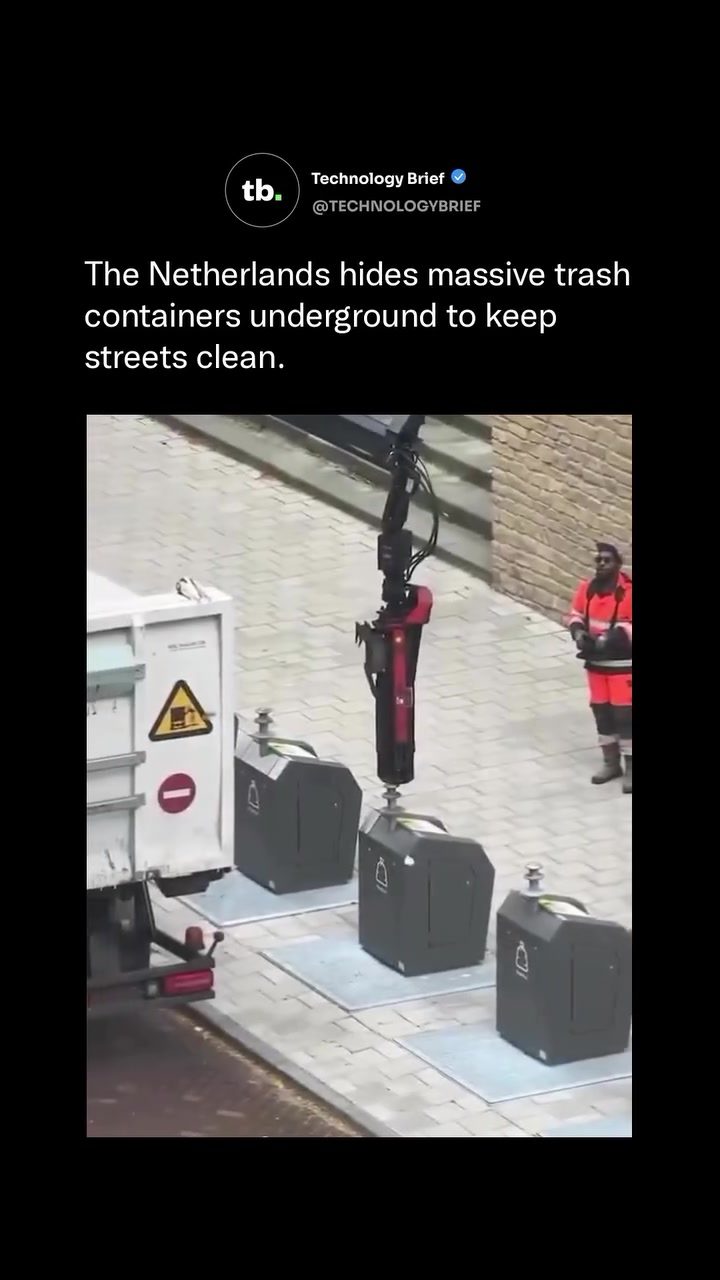
Automated Waste Management in Amsterdam
Amsterdam has implemented a cutting-edge automated waste management system that keeps its streets clean and clutter-free. This system involves burying large trash containers underground, which are accessed through small sidewalk hatches. This innovative approach not only enhances the city's aesthetic appeal but also streamlines the waste collection process.
Context / Why This Matters
Amsterdam's underground waste management system is part of a broader effort to create a more sustainable and efficient urban environment. With a growing population and increasing waste generation, cities around the world are exploring new ways to manage waste effectively. Amsterdam's system offers a practical solution that can be replicated in other urban areas.
The Automated Waste Management System
Underground Containers
The heart of Amsterdam's system is the underground trash containers. These large metal containers are situated in cavities below the pavement, out of sight and out of mind. Residents use small sidewalk hatches to dispose of their sorted waste, which then feeds into these underground containers. These hatches are often equipped with RFID card readers, ensuring that only local residents can access them. This not only prevents unauthorized dumping but also helps in maintaining the cleanliness and organization of the waste management process.
Robotic Arm Technology
When a container is full, a city garbage truck equipped with a robotic crane arm is dispatched. This robotic arm is operated by a worker using a remote control. The process involves lifting the street-level lid, hooking onto the buried container, hoisting it up, and swinging it over the truck to empty its contents. The entire operation is automated, eliminating the need for manual lifting. Once the container is emptied, it is lowered back into the ground, and the lid is replaced, leaving the street looking exactly as it did before.
Efficient and Clean
This system holds far more waste than a traditional street bin, significantly reducing the need for frequent collections. By keeping the trash containers underground, the system effectively minimizes litter, pests, and odors on the street surface. This not only enhances the city's cleanliness but also improves the quality of life for its residents.
Expansion and Implementation
Amsterdam has been rolling out this underground system since the 1990s, and it has since spread to various cities across Europe. The city is now committed to phasing out traditional curbside bag collection entirely by 2030, transitioning more neighborhoods toward underground containers as the default method.
Practical Tips for Underground Waste Management
1. Proper Sorting and Disposal
Residents need to sort their waste correctly to ensure the system operates efficiently. By disposing of waste through the designated hatches, they help maintain the cleanliness of the streets and the efficiency of the waste collection process.
2. Use of RFID Technology
Utilizing RFID card readers ensures that only authorized residents can access the waste disposal hatches. This prevents unauthorized dumping and helps in maintaining the system's integrity.
3. Maintenance and Cleanliness
Regular maintenance of the underground containers and the robotic arm technology is crucial. This ensures that the system operates smoothly and efficiently, minimizing any potential disruptions.
Important Takeaways
-
Innovative and Efficient: Amsterdam's automated waste management system is a testament to innovative urban planning. The use of underground containers and robotic arm technology not only keeps the streets clean but also streamlines the waste collection process.
-
Sustainable Solution: This system is part of a broader effort to create a more sustainable and efficient urban environment. By reducing litter, pests, and odors, it improves the overall quality of life for residents.
-
Scalable and Replicable: The success of this system in Amsterdam and other European cities shows its potential to be replicated in urban areas worldwide. It offers a practical solution to the growing waste management challenges faced by cities.
-
Community Involvement: The success of the system relies heavily on community involvement, particularly in sorting waste correctly and following the designated disposal procedures.
Conclusion
Amsterdam's automated waste management system is a shining example of how technology and innovation can be harnessed to create a cleaner, more efficient urban environment. By burying large trash containers underground and using robotic arm technology, the city not only enhances its aesthetic appeal but also improves the overall quality of life for its residents. This system is a scalable and replicable solution that can offer valuable insights for other cities grappling with similar challenges.
Watch the Reel
Questions readers ask
How does Amsterdam's underground waste management system work?
Amsterdam's system involves large, buried containers that are accessed through small hatches on the sidewalk. Waste is collected and transported using automated, robotic systems, which help keep the streets clean and reduce the need for manual collection.
What are the benefits of using underground waste containers?
Underground waste containers help maintain the city's aesthetic by keeping waste out of sight. They also optimize space usage and improve hygiene by reducing litter and pest attraction.
How do the robotic trash collection systems operate?
The robotic systems in Amsterdam's waste management network are designed to autonomously navigate and collect waste from the underground containers. They operate on predefined routes and schedules, ensuring efficient and timely waste removal.
Can other cities adopt Amsterdam's waste management model?
Yes, many cities can adapt Amsterdam's waste management model. The system's design and technology can be tailored to fit the specific needs and infrastructure of different urban environments, promoting cleaner and more efficient waste management practices.
What impact does this system have on urban aesthetics and sustainability?
By keeping waste concealed and reducing litter, the system greatly improves the urban landscape. It also supports sustainability by optimizing waste collection routes and reducing the carbon footprint associated with traditional waste management methods.
How does the underground system enhance urban waste management?
The underground waste management system enhances urban waste management by automating the collection process, reducing manual labor, and keeping streets clear of trash bins. This results in a cleaner, more efficient, and aesthetically pleasing urban environment.
Related deep dives
Similar reads based on topic and creator.



Recent articles
Fresh deep dives from the latest Reels we unpacked.




Comments
Be the first to comment.