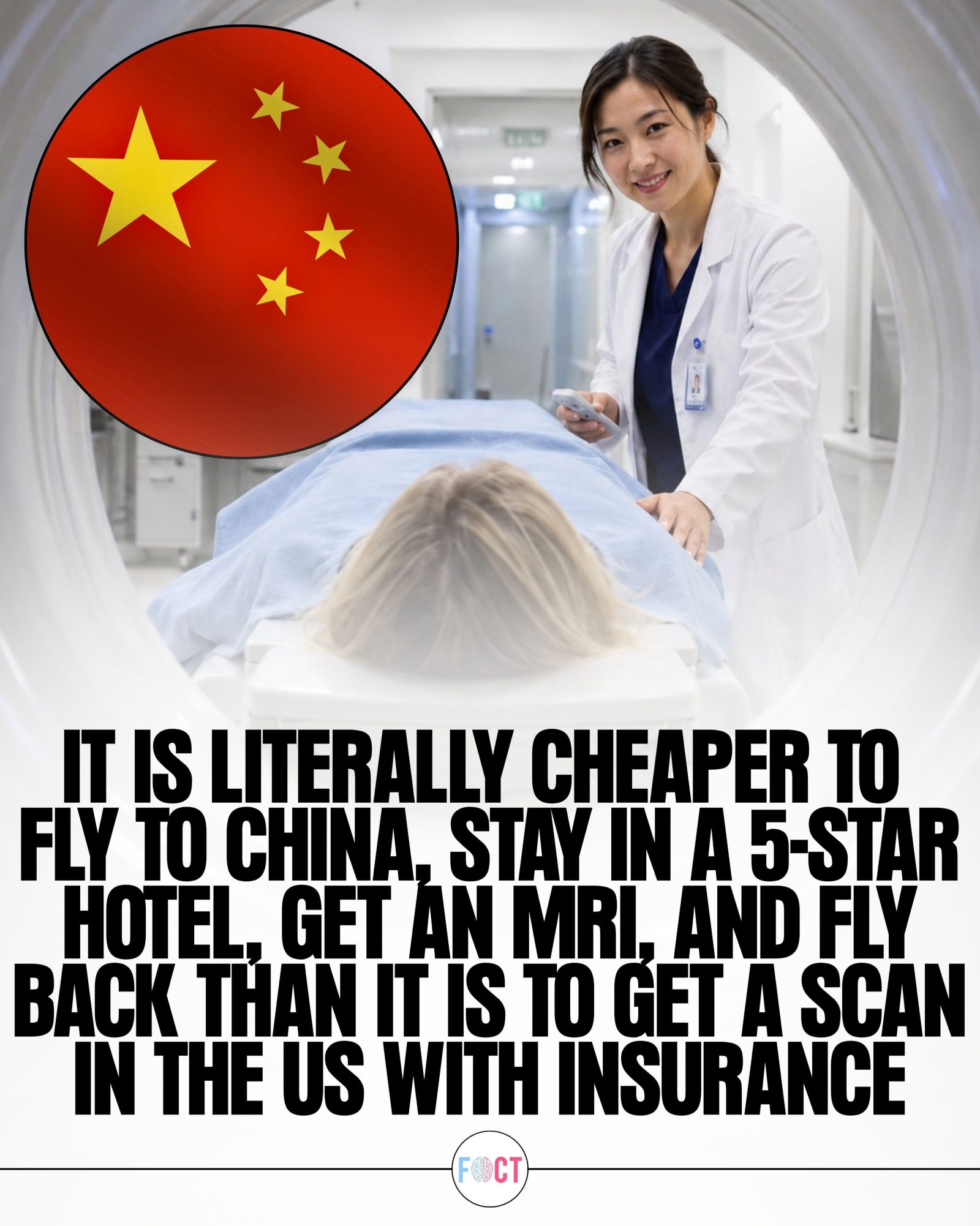
Medical Tourism: Why Some Americans Are Traveling to China for MRI Scans
Medical tourism has emerged as a significant trend, with many Americans opting to travel abroad for medical care. This is particularly evident in the case of MRI scans, where the cost differential between the United States and destinations like China can be staggering.
Context/Why This Matters
The United States leads the world in healthcare spending per person, yet the high costs often leave patients with significant out-of-pocket expenses, even with comprehensive insurance. This financial burden has driven many Americans to explore medical tourism, particularly for specialized procedures and diagnostic tests like MRI scans. China, with its advanced healthcare infrastructure and significantly lower costs, has become a popular destination for these patients.
Main Discussion
The Cost Advantage of Medical Tourism
One of the primary reasons Americans are opting for medical tourism in China is the substantial cost savings. In the United States, the cost of an MRI scan can exceed $1,000. In contrast, in China, the same procedure can be as low as $70 at public hospitals and a few hundred dollars at private, internationally accredited facilities. This price difference is a major factor in why many Americans are looking overseas for their healthcare needs.
In addition to the direct cost of the MRI, travel and accommodation expenses must be considered. Despite these additional costs, many Americans find that traveling to China for an MRI, staying in a 5-star hotel, and returning home is still cheaper than getting the scan in the US. This cost advantage includes the cost of airfare, luxury accommodations, and the medical procedure itself.
The Financial Impact on Patients
The high cost of healthcare in the US can be financially crippling for many patients. Even with insurance, high deductibles and co-payments often leave patients with significant out-of-pocket expenses. This financial strain is a major driver of medical tourism, as patients seek more affordable alternatives for their medical needs.
For example, a patient with a high-deductible insurance plan in the US might have to pay thousands of dollars out-of-pocket for an MRI. In contrast, traveling to China for the same procedure could cost significantly less, even after accounting for travel and accommodation expenses. This cost difference is a major factor in the decision to travel abroad for medical care.
The Role of Insurance Coverage
Insurance coverage plays a crucial role in the decision to pursue medical tourism. In the US, insurance policies often have high deductibles and co-payments, leaving patients with substantial out-of-pocket expenses. These financial burdens can make medical tourism an attractive option, even when considering the cost of travel and accommodation.
Moreover, insurance coverage for medical procedures abroad can be limited or non-existent. This lack of coverage adds to the financial burden for patients, further incentivizing them to seek more affordable options overseas.
The Growing Trend of Medical Tourism
Medical tourism is not a new concept, but it has gained significant traction in recent years. The trend is driven by the high cost of healthcare in the US and the availability of high-quality, affordable medical care in countries like China. This growing trend has sparked debate over healthcare costs, insurance coverage, and why some patients feel it makes more financial sense to leave the country for treatment.
As medical tourism continues to grow, it is essential to consider the implications for both patients and the healthcare industry. While medical tourism offers significant cost savings, it also presents challenges and potential risks for patients. These include the quality of care, language barriers, and travel-related risks.
Practical Tips
Research and Planning
Before embarking on medical tourism, it is essential to conduct thorough research and planning. This includes understanding the quality of medical care in the destination country, the cost of the procedure, and any potential risks. Patients should also consider the logistics of travel, including visas, accommodation, and transportation.
Consult with Healthcare Providers
Consulting with healthcare providers, both in the US and the destination country, is crucial. This ensures that patients receive appropriate medical care and that any potential complications are addressed. Healthcare providers can also offer guidance on the best facilities and practitioners for specific medical procedures.
Understand Insurance Coverage
Patients should also understand their insurance coverage for medical procedures abroad. This includes knowing what is covered, what is not, and any potential out-of-pocket expenses. It is also essential to consider the potential risks and benefits of traveling for medical care and how these might impact insurance coverage.
Important Takeaways
Medical tourism, particularly for MRI scans, offers significant cost savings for Americans. The cost difference between the US and countries like China can be substantial, making medical tourism an attractive option for many patients. However, it is essential to weigh these benefits against the potential risks and challenges.
Patients considering medical tourism should conduct thorough research, consult with healthcare providers, and understand their insurance coverage. By doing so, they can make informed decisions about their medical care and ensure that they receive high-quality, affordable treatment.
Conclusion
Medical tourism, particularly for MRI scans, has become a significant trend in the US. The substantial cost savings, combined with the availability of high-quality medical care in countries like China, make it an attractive option for many patients. However, it is essential to consider the potential risks and challenges and to conduct thorough research and planning.
While medical tourism offers significant benefits, it is not the right choice for everyone. Patients should weigh the benefits and risks and consider their individual needs and circumstances. With the right information and planning, medical tourism can be a viable and affordable option for many patients.
Watch the Reel
Questions readers ask
Why are Americans opting for MRI scans in China?
Americans are choosing MRI scans in China primarily due to the significant cost savings. The price for an MRI scan in China can be up to $1,000 less compared to the United States, making it an attractive option for those looking to reduce out-of-pocket expenses. Additionally, China's advanced healthcare infrastructure ensures quality care.
How much can Americans save by getting an MRI scan in China?
The savings can be substantial. The cost of an MRI scan in China can be up to $1,000 lower than in the United States. Even when factoring in travel and accommodation expenses, the overall cost often remains more competitive than undergoing the procedure domestically.
Is the quality of MRI scans in China comparable to the United States?
Yes, China has made significant investments in its healthcare infrastructure, including state-of-the-art MRI technology and highly trained medical professionals. Many hospitals in China are equipped with the latest diagnostic tools and adhere to stringent medical standards, ensuring high-quality care.
What are the benefits of traveling to China for an MRI scan?
The primary benefit is the cost savings. Additionally, traveling for an MRI scan in China can provide an opportunity to explore a new culture and environment. Many hospitals in China are equipped to accommodate international patients, offering services such as language assistance and personalized care plans.
What should Americans consider when traveling to China for an MRI scan?
Before traveling, it is essential to research and choose a reputable hospital that specializes in MRI scans. Additionally, Americans should verify if their medical insurance covers the cost of the procedure abroad. It's also important to factor in travel and accommodation expenses and plan accordingly.
Are there specific hospitals in China recommended for MRI scans?
China has many hospitals that are well-equipped to handle MRI scans, but some of the top recommendations are Beijing United Family Hospital, Shanghai United Family Hospital, and Peking University People's Hospital. It's important to consult with a healthcare provider to identify the best-fit hospital based on individual needs.
How do Americans typically travel for an MRI scan in China?
Americans traveling for an MRI scan in China usually plan their trip through specialized medical tourism agencies or directly with the hospitals in China. These agencies and hospitals often provide comprehensive packages that include travel arrangements, accommodation, and medical services, ensuring a seamless experience for patients.
Related deep dives
Similar reads based on topic and creator.




Recent articles
Fresh deep dives from the latest Reels we unpacked.




Comments
Be the first to comment.