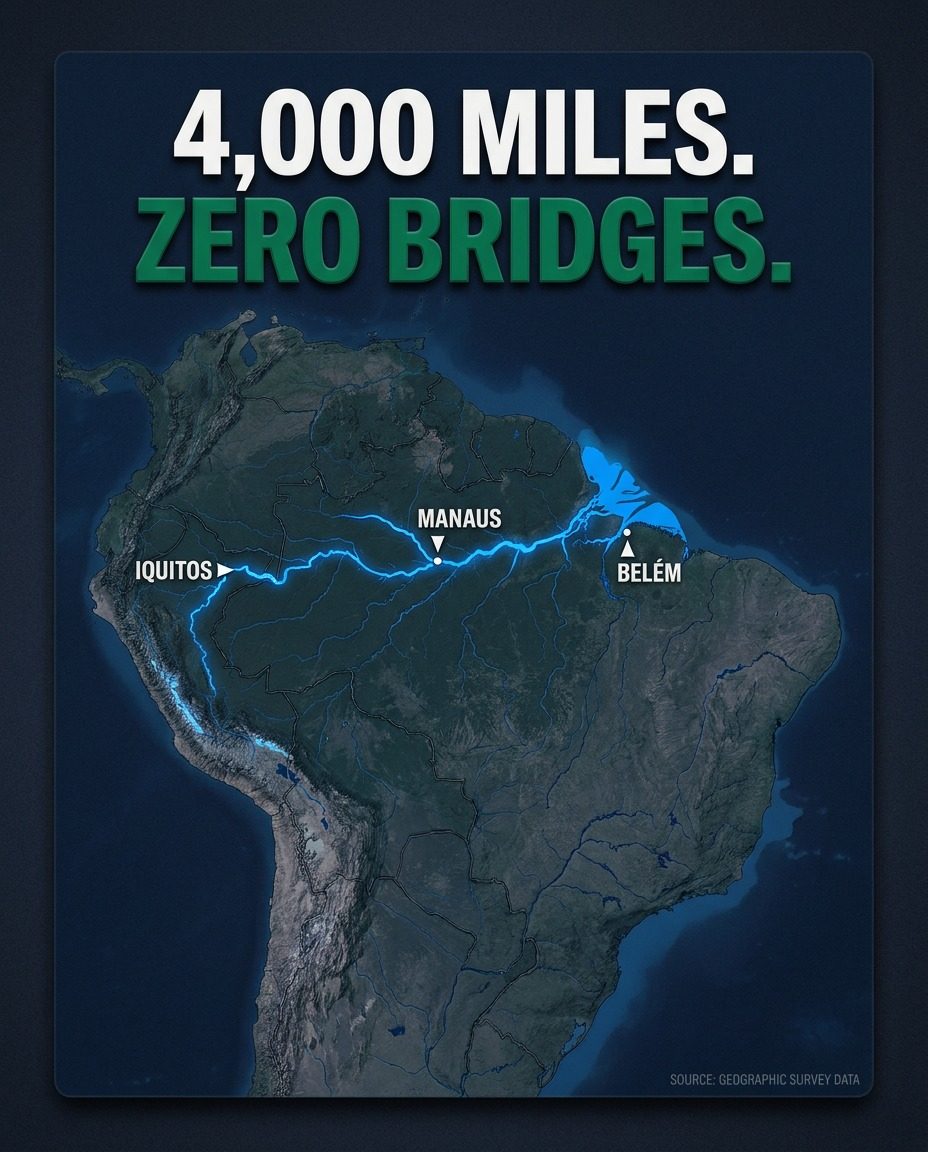
A Titanic Artery Through The Jungle
The Amazon River is the world’s longest river with 4,000 miles. It is a vital artery that snakes through the heart of the South American continent, winding through lush jungles and dense rainforests. Its vast length is only one of the aspects that makes it truly unique. As seen in the visual summary, the Amazon can support extraordinarily high volumes of water flows. This is a testament to its size, but also to its crucial role in the region’s ecosystem and climate. The Amazon is a critical part of the "lung of the Earth," a phrase often used to describe the immense Amazon rainforest. The river provides a habitat for countless species, many of which are endemic to the region. It also serves as a vital water source for millions of people, supporting the livelihoods of indigenous communities and sustaining ecosystems. The river's vast water flows also play a significant role in regulating the region's climate, influencing rainfall patterns and mitigating the impacts of droughts and floods.
The Three Pillars of Development
The river's flow patterns also have profound implications for urban development along its banks. The river does not merely support these cities, it enables their existence. The Amazon is seen on screen as a conduit for economic activity, connecting remote communities and facilitating trade. In particular, Manaus and Belém, are both significant urban centers that thrive in this river-centric world. Manaus, the capital of the state of Amazonas, is a bustling metropolis situated deep in the rainforest. Its location on the river has historically made it a hub for trade and commerce. Similarly, Belém, the capital of Pará, serves as a gateway to the Amazon and its vast resources. These cities are separated by nearly 1,000 miles.. The flow of products and people between these cities reflects the river's role as a vital transportation corridor. Yet, each city evolved differently in response to the economic forces. While Iquitos, situated in the Peruvian Amazon, exemplifies a different urban narrative. While Manaus and Belém are also centers of commerce, has evolved its own unique culture and identity. These cities often compete for investment and resources, highlighting the strategic importance of the Amazon and its tributaries in the politics of development.
Bridging the Amazon: More Than Engineering
The absence of bridges is one of the most striking features of the Amazon River. Those familiar with it believe the Amazon River would be a formidable obstacle to bridge building. Across 4,000 miles, the river widens and narrows, creating a dynamic and often volatile landscape. The 4,000 miles of river weren't spared in the creation of the "Amazonian dream". The sandy alluvions, frequent nature of flooding, all conspired to make crossing the Amazon an expensive luxury. For, over the centuries, there have been attempts to span the river but high costs and the challenges presented by the river's dynamics have rendered the efforts largely infeasible. And yet, the need for connectivity persists, driving innovations in transportation and engineering, and shaping the region's infrastructure as well as its politics.
Watch the Reel
Related deep dives
Similar reads based on topic and creator.

Recent articles
Fresh deep dives from the latest Reels we unpacked.

Comments
Be the first to comment.