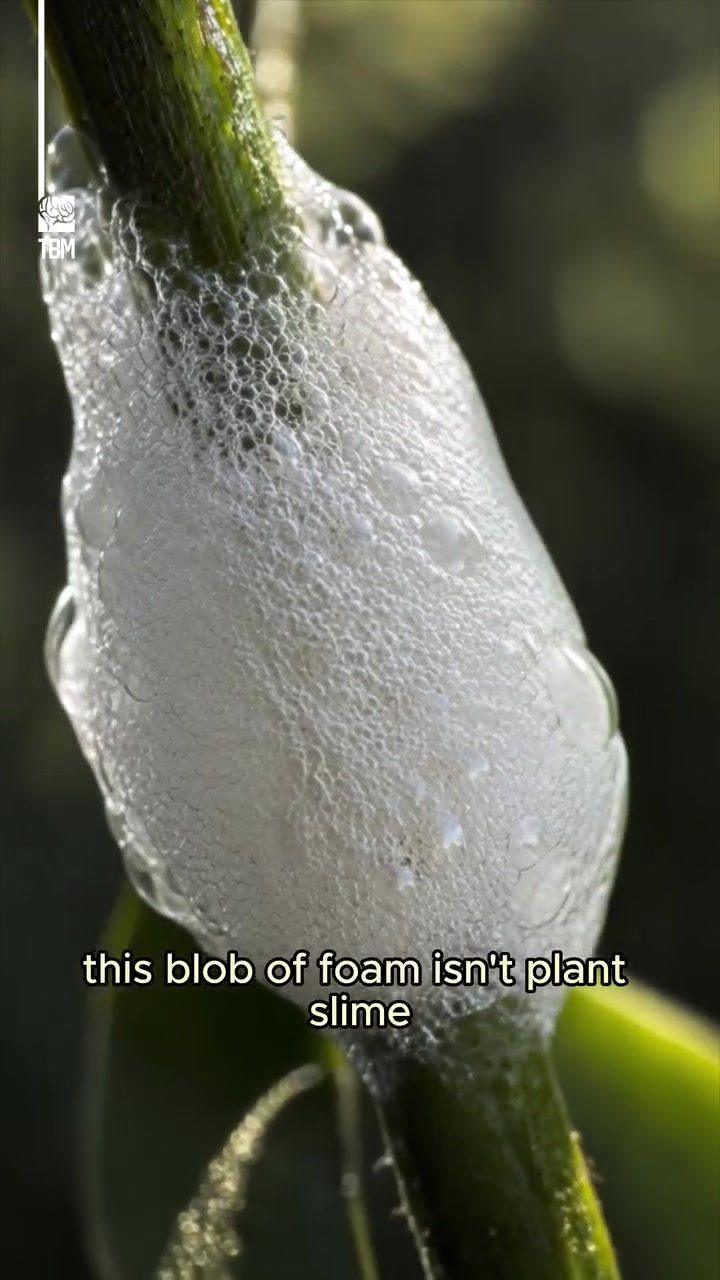
Spittlebugs: The Insects that Build Foamy Shelters
There are many insects that captivate nature enthusiasts. Among these are spittlebugs. These creatures are known for their clever strategy of creating their own protective foam shelters. These shelters are constructed by the insect's nymphs (juvenile stages) in order to hide from predators and shield themselves from environmental harm. The foam is made from a combination of plant sap, air, and special secretions.
Why This Matters
Spittlebugs offer an intriguing look into the world of insect adaptations. These tiny creatures have developed a unique strategy for survival. The foam shelters help shield them from predators and environmental hazards. Understanding these strategies can provide insights into the natural world and inspire human technologies.
The Foam Nesting Process
Plant Sap and Secretions
The process of creating a foam shelter begins with the spittlebug nymphs. These creatures suck sap from plants. Once they consume it, they mix the excess liquid with air and special chemical secretions. The combination of these elements creates a thick, foamy substance that covers the insect's body. This foam is not plant slime, but a carefully crafted protective layer.
Building the Fortress
Inside the bubbly shelter, the young spittlebug nymphs are safe from danger. The bubbles in the foam are not just for aesthetics; they serve a crucial purpose. The layer of foam protects the insect from predators, harsh sunlight, and drying out. This means the young insect can feed and grow in secret, hidden away from the threats that lurk outside.
Growth and Emergence
As the spittlebug nymphs mature, they eventually leave the foam behind. They emerge as adult spittlebugs, ready to continue their unusual life cycle. This transition marks a significant change in their behavior and appearance. The adults no longer need the protective foam, as they have developed other mechanisms to avoid predators and environmental harm.
Practical Tips for Identifying Spittlebugs
Look for Foam
One of the most straightforward ways to identify spittlebugs is by spotting these foam nests. The foam is typically found on the undersides of leaves or on plant stems. This is where spittlebug nymphs tend to build their shelters.
Observe Plant Damage
Spittlebugs are sap-sucking insects, so they can cause damage to plants. If you notice unusual foam on your plants, along with signs of sap damage, it is a good indication that spittlebugs are nearby.
Check for Predators
Spittlebugs are not always easy to spot, especially when they are inside their foam shelters. However, observing for predators like birds and other insects can provide a clue. These predators are often drawn to areas where spittlebugs are present.
Identify Adult Spittlebugs
Adult spittlebugs have a distinctive appearance. They are small, often less than a quarter-inch long, and have a cone-shaped head. Their bodies are typically green or brown, which helps them blend in with their surroundings. This camouflage is another adaptation that helps them avoid predators.
Important Takeaways
Adaptation and Survival
The foam shelter of the spittlebug nymph is a testament to the incredible adaptations found in the natural world. These shelters provide a safe haven for the young insects, allowing them to grow and develop without the constant threat of predators.
Chemical Mixtures
The ability of spittlebug nymphs to create foam from plant sap, air, and their own secretions is a fascinating example of chemical engineering in nature. This process not only protects the insects but also highlights the complex biological mechanisms at play.
Life Cycle Insights
Observing the life cycle of spittlebugs, from their nymph stage to adulthood, offers valuable insights into insect development. The transition from a protected, hidden life to a more exposed adult stage is a critical part of their existence.
Conclusion
Spittlebugs and their foam shelters are a remarkable example of nature's ingenuity. These tiny creatures have developed a unique strategy for survival, using their environment and biological capabilities to create a safe haven. Understanding these insects and their habits can offer valuable insights into the natural world and its complex systems.
Watch the Reel
Questions readers ask
What are spittlebug nymphs and why do they create foam shelters?
Spittlebug nymphs are the juvenile stages of spittlebugs. These young insects create foam shelters, also known as bubbly insect houses or insect foam houses, to protect themselves from predators and environmental threats. This unique strategy is a key part of their survival.
How do spittlebug nymphs construct their foam shelters?
Spittlebug nymphs build their foam shelters using a combination of plant sap, air, and their own special secretions. These ingredients are mixed together to form a bubbly, frothy structure that serves as a natural fortress for the young insects.
What is the composition of the foam used by spittlebug nymphs?
The foam used by spittlebug nymphs is made from three main components: plant sap, which they ingest and then regurgitate, air, which they mix in to create the bubbly structure, and their own secretions, which help stabilize the foam.
What is the purpose of the foam shelters built by spittlebug nymphs?
The primary purpose of the foam shelters is to provide protection for the spittlebug nymphs. These shelters shield the young insects from predators and environmental hazards, increasing their chances of survival during their vulnerable juvenile stage.
Do all spittlebugs build foam shelters?
Only the nymphs, or young spittlebugs, build foam shelters. This behavior is part of their survival strategy during their juvenile stages. Once they mature into adult spittlebugs, they no longer construct these foam houses and instead rely on other means of protection.
Where can you typically find spittlebug foam shelters?
Spittlebug foam shelters can be found on plants, particularly on the stems and leaves. The nymphs create these shelters in locations where they can feed on plant sap, using it as a key ingredient for their protective bubbles.
How do spittlebug nymphs benefit from living in foam shelters?
By living in foam shelters, spittlebug nymphs gain significant protection from the environment and predators. The foam provides camouflage, insulation, and a physical barrier, all of which help the young insects to survive and develop into adults.
Related deep dives
Similar reads based on topic and creator.




Recent articles
Fresh deep dives from the latest Reels we unpacked.




Comments
Be the first to comment.