Honey Production
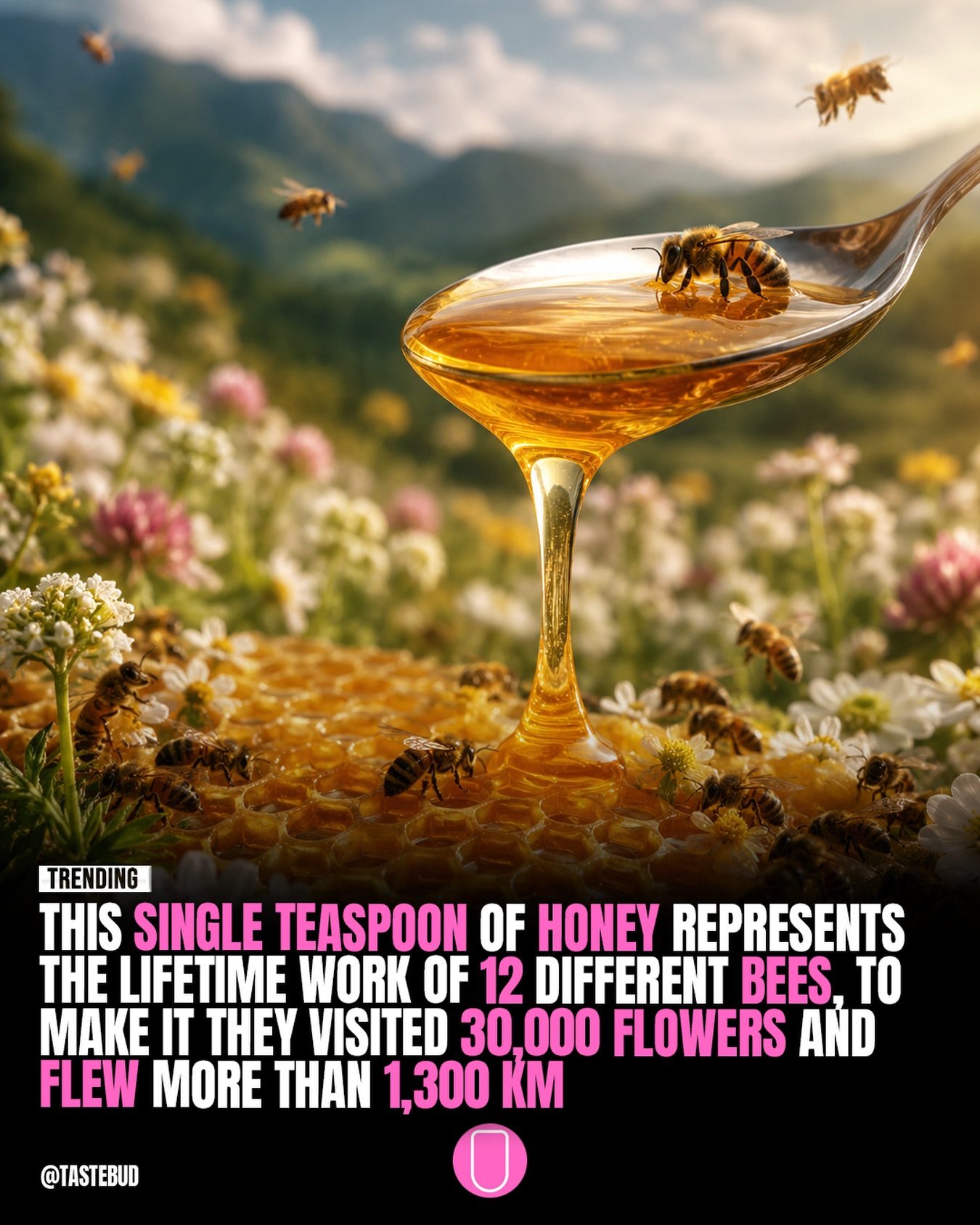
Honey is more than just a sweet treat. It is a marvel of nature, a testament to the hard work of thousands of bees. The production of honey involves a tremendous amount of effort and coordination, with bees contributing their lifetime work to produce a single teaspoon. Understanding the process reveals the intricate web of work and the critical role bees play in our ecosystems.
Context / Why This Matters
The journey of honey begins with bees visiting countless flowers, collecting nectar and pollen. This process is not just about making honey; it also supports the pollination of plants, which is crucial for ecosystems and global food production. Bees are essentially the unsung heroes behind the scenes, ensuring that our environment remains balanced and productive.
Main Discussion
The Lifelong Effort
A single teaspoon of honey represents the collective effort of around 12 bees. These bees work tirelessly, visiting tens of thousands of flowers and traveling distances that add up to over 1,300 kilometers. The nectar collected from these flowers is transformed into honey through a complex process involving enzymes and evaporation within the hive. This highlights the immense dedication and hard work that goes into producing even the smallest amount of honey.
The Role of Pollination
While collecting nectar and pollen, bees play a vital role in pollinating plants. Pollination is the process by which pollen is transferred from the male parts of a flower to the female parts, enabling fertilization and the production of seeds and fruits. This process is essential for the reproduction of many plant species and is crucial for the survival of ecosystems. Bees, in their quest for nectar and pollen, inadvertently pollinate a wide variety of plants, contributing to biodiversity and food security.
Practical Tips
Supporting Bees and Honey Production
If you are a bee enthusiast or simply appreciate the sweetness of honey, there are several ways to support bees and their honey-making efforts:
-
Plant Bee-Friendly Flowers: Creating a bee-friendly garden can provide bees with a steady supply of nectar and pollen. Consider planting a variety of flowers that bloom at different times of the year to ensure a continuous food source.
-
Avoid Pesticides: Pesticides can be harmful to bees and other pollinators. Opt for organic gardening methods and avoid using pesticides in areas where bees are active.
-
Provide Water: Bees need water for hydration and to cool their hives. Place a shallow dish of water in your garden and change it regularly to prevent mosquito breeding.
-
Support Local Beekeepers: Buying honey from local beekeepers not only ensures you get fresh, high-quality honey but also supports local ecosystems. Local beekeepers often use sustainable practices that benefit both the bees and the environment.
-
Create Bee Shelters: Providing shelter for solitary bees, such as bee hotels, can help support their populations. These simple structures can be made from bamboo, wood, or cardboard and placed in quiet, sheltered areas of your garden.
Important Takeaways
Honey production is a fascinating process that involves the collective effort of thousands of bees. Understanding the intricate process and the hard work involved can instill a deeper appreciation for this natural sweetener. Moreover, recognizing the role of bees in pollination underscores the importance of supporting these essential pollinators.
Conclusion
Honey is more than a simple sweetener; it is a testament to the incredible efforts of bees. The journey from flower to jar involves a complex process of collection, transformation, and pollination. By supporting bees and their natural habitat, we can ensure the continued production of this precious natural resource. Whether you are enjoying a spoonful of honey in your tea or spreading it on your toast, take a moment to appreciate the collective work of bees that made it possible.
Watch the Reel
Questions readers ask
How many flowers do bees visit to make a single teaspoon of honey?
Bees visit thousands of flowers to collect nectar for a single teaspoon of honey. This extensive travel is crucial for both honey production and plant pollination.
What is the role of bees in the honey production process?
Bees play a central role in honey production. They collect nectar and pollen from flowers, process these materials in their bodies, and store them in the hive. The production of honey involves a coordinated effort where bees contribute their lifetime work to produce a small amount of honey, revealing the incredible effort behind every teaspoon.
How does the process of honey production benefit the ecosystem?
Honey production supports the pollination of plants, which is essential for maintaining healthy ecosystems and global food production. As bees travel between flowers, they transfer pollen, enabling plants to reproduce and thrive.
What are the natural benefits of honey?
Honey is a natural sweetener that offers a range of benefits. It contains antioxidants, has antibacterial and anti-inflammatory properties, and provides a natural energy source. Its unique composition and the way it is produced by bees make it a valuable addition to a healthy diet.
What is the significance of the pollination process in honey production?
Pollination is a crucial aspect of honey production. As bees collect nectar from flowers, they facilitate pollination, which is essential for the reproduction of plants. This process not only supports the production of honey but also ensures the survival and diversity of plant species in the ecosystem.
How do bees make honey in a beehive?
In the hive, bees convert nectar into honey through a process of regurgitation and evaporation. They store the honey in wax combs, which are then sealed with beeswax to preserve it. This process involves the collective effort of thousands of worker bees, showcasing their remarkable organization and efficiency.
Why is the distance bees travel important in the production of honey?
The distance bees travel to collect nectar is significant because it ensures the diversity and quality of the nectar, which ultimately affects the taste and nutritional content of the honey. This extensive travel also highlights the effort and dedication of bees in producing honey, as well as their role in pollinating a wide variety of plants.
Related deep dives
Similar reads based on topic and creator.



Recent articles
Fresh deep dives from the latest Reels we unpacked.




Comments
Be the first to comment.