Platypus: A Fascinating Combination of Mammals, Birds, and Reptiles
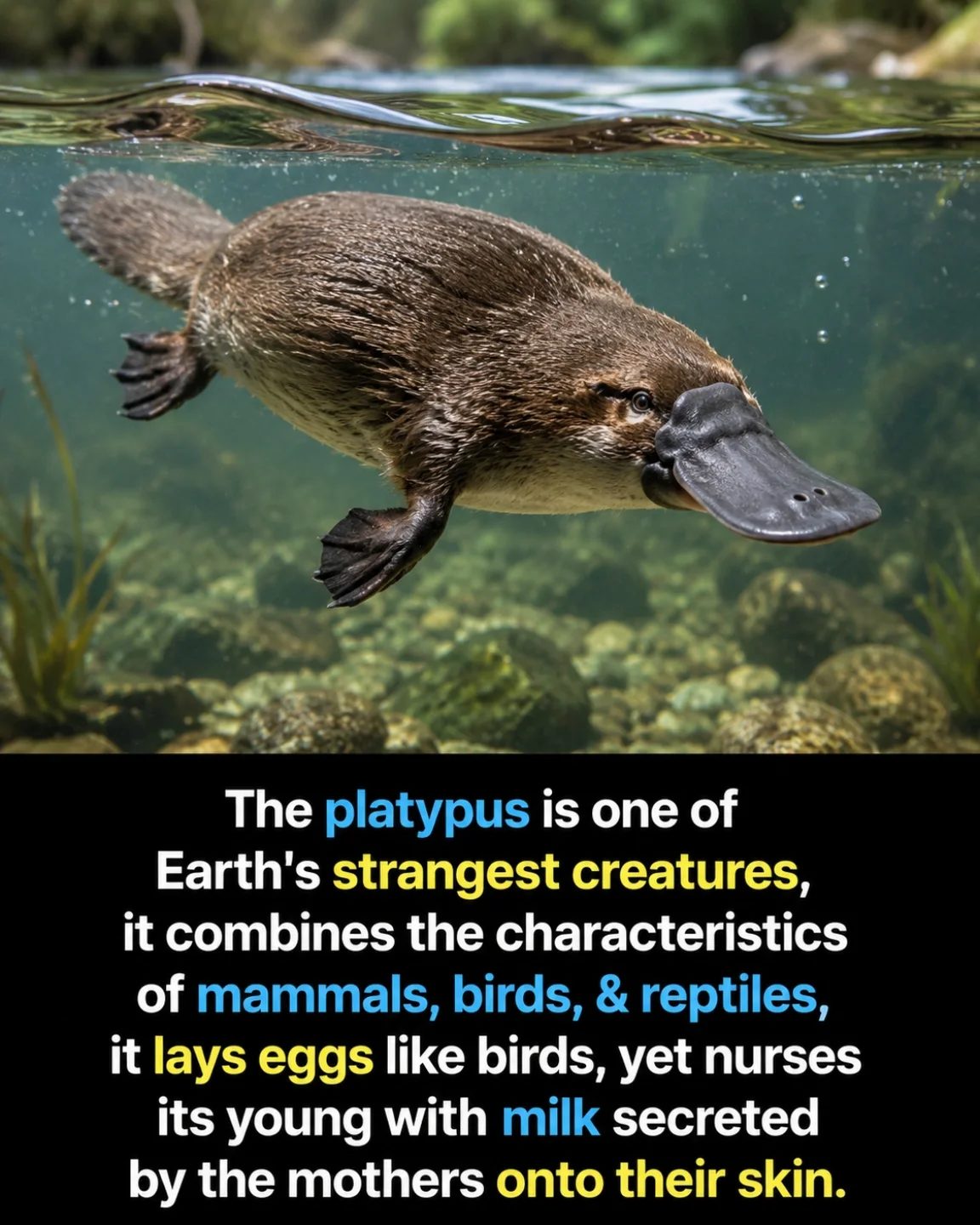
The platypus stands out as one of the most peculiar creatures on Earth. This semi-aquatic mammal exhibits a unique blend of characteristics from mammals, birds, and reptiles. For instance, it lays eggs like birds and possesses a bill similar to that of a duck. Yet, it also nurses its young with milk, a trait shared with other mammals. This combination of traits makes the platypus a subject of great interest among biologists and wildlife enthusiasts alike.
Why This Matters
Understanding the platypus offers insights into the diverse ways in which animals have adapted to their environments. This creature's unusual characteristics highlight the incredible variety of life on Earth and the complex pathways that evolution can take.
A Unique Reptile-Mammal-Bird Hybrid
The platypus is part of a small group of mammals known as monotremes, which includes the echidna. These animals are unique because they lay eggs rather than giving birth to live young. However, the platypus takes this even further with its extraordinary blend of features.
Egg-Laying Mammals
Unlike most mammals, which give birth to live young, platypuses lay eggs. This trait is more commonly associated with birds and reptiles. After laying their eggs, the female platypus burrows into the soil to create a nursery, where she incubates the eggs. This behavior is similar to that of certain reptiles, which also use burrows or nests to protect their eggs.
Nursing Their Young
Platypuses nurse their young in a way that is uniquely adapted to their semi-aquatic lifestyle. Instead of having nipples, the mother platypus secretes milk through specialized glands onto her skin. The young platypuses, known as puggles, lick the milk off their mother's skin. This method of nursing is highly unusual and adds to the platypus's status as one of the most intriguing mammals.
Key Features of the Platypus
Physical Characteristics
The platypus has a distinctive bill, which is covered in sensitive receptors. This bill is used for detecting electrical impulses from the muscles of prey. The platypus's webbed feet and streamlined body are also adapted for swimming, making it an efficient swimmer and forager in aquatic environments.
Habitat and Behavior
Platypuses are native to eastern Australia, including Tasmania. They inhabit freshwater streams and rivers, where they forage for insects, worms, and small crustaceans. Platypuses are generally solitary creatures, except during the mating season.
Practical Tips for Observing Platypuses
Observing platypuses in their natural habitat can be a rewarding experience. However, it's important to do so responsibly to avoid disturbing these delicate creatures.
Best Times for Spotting
The best times to observe platypuses are typically early in the morning or late in the afternoon, when they are most active. Look for them in calm, clear streams and rivers, where they can be seen surfacing for air or foraging for food.
Safety and Ethical Considerations
Always maintain a safe distance from platypuses and avoid disturbing their habitats. Do not feed or touch them, as this can disrupt their natural behaviors and potentially harm them.
Important Takeaways
The platypus is a remarkable example of the incredible diversity of life on Earth. Its unique combination of traits from mammals, birds, and reptiles makes it one of the most fascinating creatures to study. Understanding the platypus can provide valuable insights into the evolutionary pathways that have shaped animal life.
Conclusion
The platypus is a testament to the wonders of the natural world. Its unusual characteristics and behaviors make it a subject of endless fascination and study. By appreciating the platypus, we can gain a deeper understanding of the complex and diverse web of life that surrounds us.
Watch the Reel
Questions readers ask
How does the platypus reproduce, given its unique biological traits?
The platypus is one of the few mammals that lay eggs instead of giving birth to live young. After mating, the female platypus lays her eggs in a burrow she has dug near a water source. The incubation period for these eggs is typically around 10 days.
What makes the platypus's bill so distinctive, and how does it use it?
The platypus's bill is similar to that of a duck, which is quite unique among mammals. This bill contains specialized sensory receptors that help the platypus detect electrical fields generated by the muscle contractions of its prey, making it an efficient hunter in murky waters.
How does the platypus care for its young despite laying eggs?
After hatching, the platypus young, known as puggles, are nursed by their mother. Unlike other mammals, the platypus does not have nipples. Instead, it secretes milk through specialized sweat glands onto its skin, which the puggles lick up.
What are some of the reptilian traits exhibited by the platypus?
The platypus exhibits several reptilian traits, including laying eggs and having a lower body temperature compared to other mammals. Additionally, it has a unique metabolism that allows it to survive in cold water environments, much like some reptiles.
Where can platypuses be found in the wild?
Platypuses are native to eastern Australia, including Tasmania. They inhabit freshwater streams and rivers, where they can find ample food and suitable burrows for nesting. Platypuses are well-adapted to their semi-aquatic lifestyle, spending much of their time in the water.
What are some of the unique adaptations that make the platypus a successful hunter?
The platypus has several adaptations that aid in hunting. Its sensitive bill can detect the electrical fields generated by the muscle movements of prey. Additionally, the platypus has webbed feet that allow it to swim efficiently, and it has a streamlined body shape that helps it move through water with minimal resistance.
How does the platypus's digging behavior contribute to its survival?
The platypus digs extensive burrows near water sources, which serve multiple purposes. These burrows provide shelter from predators and protection from harsh weather conditions. The burrows also serve as a safe nesting site for incubating eggs and caring for the young puggles.
Related deep dives
Similar reads based on topic and creator.




Recent articles
Fresh deep dives from the latest Reels we unpacked.

Comments
Be the first to comment.