Woodland Study Huts: A Fascinating Concept in Architectural Design
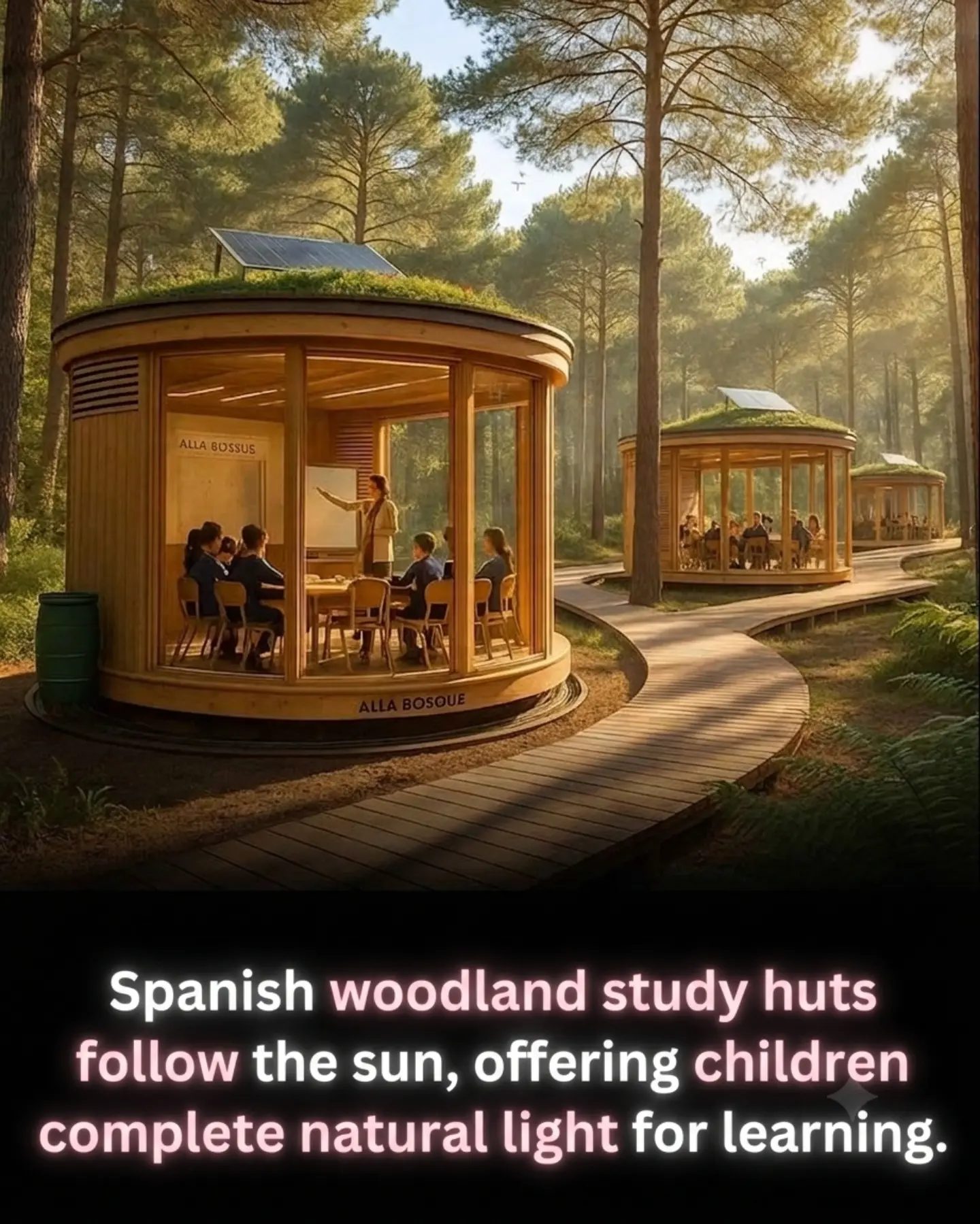
Woodland study huts, particularly the concept known as Alla Bosque, represent an innovative approach to creating educational spaces that blend seamlessly with nature. These unique, circular huts are designed to optimize natural light and connection to the environment, offering a fresh perspective on how learning spaces can be created.
Why This Matters
The growing interest in Forest Schools (Escuelas Bosque) in Spain and around the world underscores a shift in educational philosophy. These schools emphasize outdoor learning, holistic education, and a deep connection to nature. The Alla Bosque concept taps into this movement, showcasing a design that not only enhances the learning experience but also promotes sustainability and environmental awareness.
Main Discussion
Unique Design Features
The Alla Bosque study huts are circular and wooden, designed to nestle within a forest setting. This design choice is not merely aesthetic; it is functional. The circular shape allows for optimal use of space, while the wooden structure integrates naturally with the surrounding environment.
One of the standout features of these study huts is their ability to follow the sun. The huts are designed to rotate slowly, ensuring that children have access to full, natural daylight throughout the day. This eliminates the need for artificial lighting, reducing energy consumption and providing a more natural learning environment.
Natural Light and Solar Panels
Natural light is a critical component of the Alla Bosque design. The huts are equipped with large windows that maximize the amount of sunlight entering the space. This not only reduces the need for artificial lighting but also creates a more inviting and comfortable learning environment. The roofs of the huts feature solar panels, further enhancing their sustainability credentials. This integration of solar technology makes the huts self-sufficient in terms of energy, aligning with modern sustainability goals.
Rooftop Gardens
The design incorporates a rooftop garden, adding another layer of environmental integration. Rooftop gardens not only contribute to the aesthetic appeal of the huts but also provide practical benefits. They can help insulate the huts, regulate temperature, and improve air quality. Additionally, they offer a hands-on learning opportunity for children, allowing them to engage with nature directly.
Holistic Learning Environment
The primary goal of the Alla Bosque concept is to create a holistic learning environment. By conducting most lessons outdoors and using the natural environment as the primary classroom, these study huts foster a deep connection to the earth. This approach is particularly beneficial for child-led, holistic learning, where children are encouraged to explore and learn at their own pace.
Connection to Forest Schools
While the Alla Bosque concept is currently a design idea or an AI-generated image, it draws inspiration from real-life Forest Schools. These schools operate around the world, including many in Spain, and focus on conducting most lessons outdoors, regardless of the weather. The natural environment becomes the primary classroom, and the learning experience is deeply connected to nature. This approach not only enhances children's understanding of the natural world but also promotes physical and mental well-being.
Sustainability and Environmental Awareness
The Alla Bosque concept is deeply rooted in sustainability. By maximizing natural light, incorporating solar panels, and featuring rooftop gardens, these study huts are designed to minimize their environmental impact. This sustainable approach is essential in today's world, where environmental awareness is increasingly important. Children who learn in such an environment are likely to develop a deeper appreciation for nature and sustainability, carrying these values into their future endeavors.
Practical Tips
For those interested in creating a similar learning environment, there are several practical tips to consider:
-
Design for Natural Light: Ensure that your learning space maximizes natural light. Large windows and skylights can significantly reduce the need for artificial lighting.
-
Integrate with Nature: Choose designs that blend with the natural environment. Wooden structures and rooftop gardens can help create a seamless connection to nature.
-
Focus on Sustainability: Incorporate sustainable features like solar panels and energy-efficient appliances. These not only reduce environmental impact but also serve as educational tools.
-
Outdoor Learning Spaces: Designate areas for outdoor learning, where children can engage with nature directly. This could include seating areas, gardens, and natural playgrounds.
-
Holistic Learning: Encourage child-led, holistic learning. Allow children to explore and learn at their own pace, using the natural environment as their classroom.
Important Takeaways
The Alla Bosque concept offers a unique and inspiring vision for modern educational spaces. By integrating nature, maximizing natural light, and focusing on sustainability, these study huts create a holistic and immersive learning environment. While the exact design may not be widely available, the principles behind it can be applied to various educational settings, enhancing the learning experience and promoting environmental awareness.
Conclusion
Woodland study huts, as envisioned by the Alla Bosque concept, represent a forward-thinking approach to education. By blending nature, sustainability, and innovative design, these huts offer a unique and enriching learning environment. While the concept may be aspirational, the underlying principles can be adopted in various educational settings, fostering a deeper connection to nature and promoting sustainable living.
Watch the Reel
Questions readers ask
What makes Alla Bosque classrooms unique in Spain?
Alla Bosque classrooms stand out due to their distinctive design, featuring wooden, circular study huts that rotate to follow the sun. This design maximizes natural light, reduces energy consumption, and creates a unique learning environment integrated with nature.
How do the rotating study huts in Alla Bosque work?
The rotating study huts in Alla Bosque are designed to track the sun's movement throughout the day. This rotation ensures that the classrooms receive optimal natural light, reducing the need for artificial lighting and promoting a more energy-efficient learning environment.
What are the benefits of natural light in Alla Bosque classrooms?
Natural light in Alla Bosque classrooms not only reduces energy consumption but also enhances the learning experience. It creates a more pleasant and inspiring atmosphere, which can positively impact students' well-being and focus.
What is the connection between Alla Bosque and Forest Schools in Spain?
Alla Bosque aligns with the philosophy of Forest Schools (Escuelas Bosque) in Spain, which emphasize outdoor learning and a deep connection to nature. By integrating nature-inspired design, Alla Bosque supports holistic education and a natural learning environment.
How does Alla Bosque contribute to sustainable school design in Spain?
Alla Bosque promotes sustainable school design through its energy-efficient features, such as rotating to maximize natural light and reducing energy consumption. This green classroom design supports environmental sustainability and serves as a model for eco-friendly educational spaces.
What materials are used in the construction of Alla Bosque study huts?
The study huts in Alla Bosque are primarily constructed from wood, which not only provides a natural aesthetic but also offers durability and insulation. This choice of material aligns with the overall design philosophy of integrating nature into the learning environment.
Are there other similar classroom designs in Spain besides Alla Bosque?
While Alla Bosque is unique in its rotating design, there are other nature-inspired classroom designs in Spain that focus on sustainability and connection to the environment. These designs often incorporate elements like natural light and sustainable materials to create green classroom spaces.
Related deep dives
Similar reads based on topic and creator.
Recent articles
Fresh deep dives from the latest Reels we unpacked.




Comments
Be the first to comment.