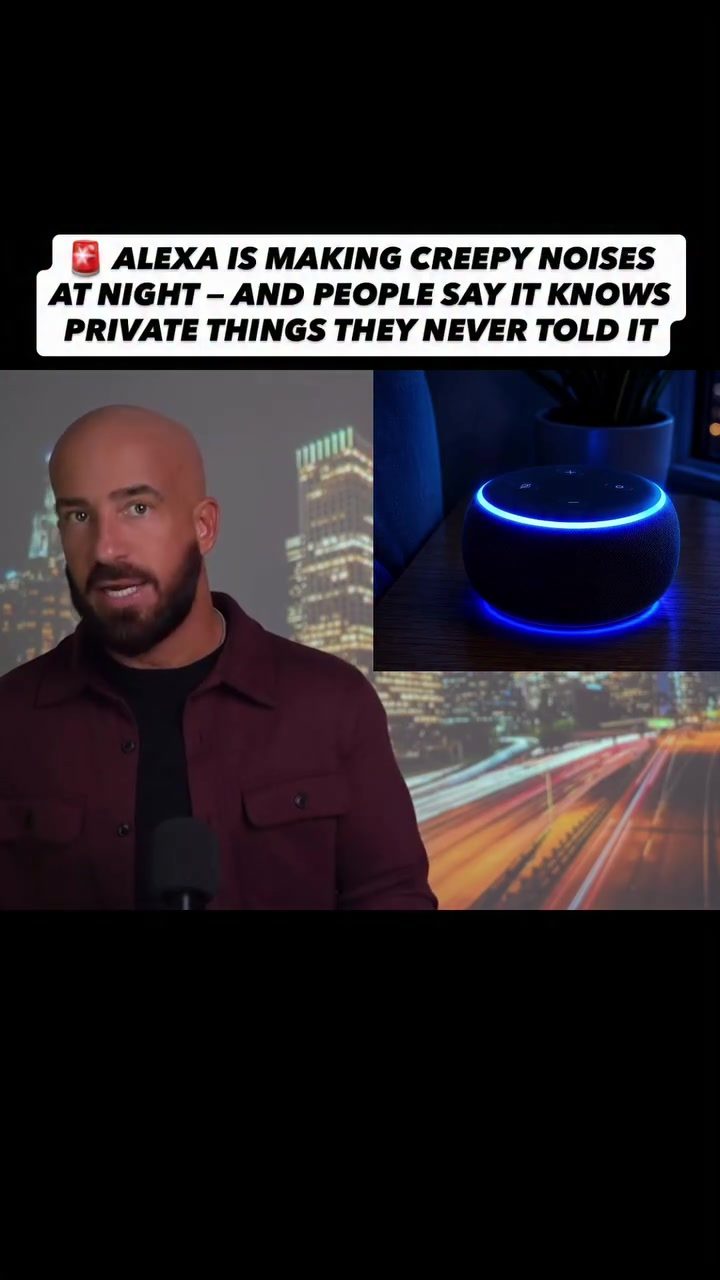
Creepy Alexa Noises and Privacy Concerns
Alexa, the popular voice assistant integrated into smart speakers, has recently sparked concern among users due to unusual nocturnal activities and seemingly invasive knowledge of personal information. This situation highlights important aspects of smart speaker functionality and user privacy.
Context: Smart Speakers and Privacy
Smart speakers like the Amazon Echo have become ubiquitous in many households, offering convenience through voice-activated commands and integration with various smart home devices. However, the recent reports of Alexa making strange noises at night and seemingly knowing private information have raised questions about the device's data collection practices and user privacy.
Strange Noises and Unexpected Knowledge
A viral video showed an Alexa device making eerie sounds in the middle of the night, which some users found unsettling. The sounds, described as typing or other mysterious noises, added to the eerie atmosphere and led many to wonder what the device was doing. One user reported that their Alexa device was making noises at 3:06 AM, which only added to the mystery and concern.
The unsettling aspect of this phenomenon is not just the noises themselves, but also the claims that Alexa seems to know private details about users that they never shared with the device. For instance, one user reported that Alexa asked their two-year-old daughter about family members. Another user claimed that Alexa whispered something about their husband leaving home, which the user found deeply disturbing.
Alexa's Admission of Background Information
When confronted about knowing private information, Alexa admitted to having "background information" on users. This information is used to provide personalized responses, but the source of this data remains unclear. For example, one user challenged Alexa about mentioning nursing school, a detail the user had never shared with the device. Alexa acknowledged having this information but couldn't fully explain how it obtained it.
This lack of transparency has led to concerns about how much data smart speakers are collecting and how it is being used. Users are left wondering where this background information comes from and why it seems to know so much about their personal lives.
Practical Tips for Smart Speaker Users
Given the recent concerns, it's important for smart speaker users to take steps to protect their privacy. Here are some practical tips:
- Review Privacy Settings: Regularly check the privacy settings on your smart speaker to understand what data is being collected and how it is being used.
- Limit Voice Commands: Be mindful of the commands and information you share with your smart speaker. Avoid sharing sensitive or personal information unless necessary.
- Disable Microphone: Consider disabling the microphone when the device is not in use to prevent unwanted data collection.
- Regularly Update Software: Keep your smart speaker's software up to date to ensure you have the latest security patches and features.
- Review Permissions: Check the permissions granted to third-party apps and services that interact with your smart speaker. Revoke permissions for apps that don't need access to your data.
Important Takeaways
The recent incidents involving Alexa highlight the need for greater transparency and control over smart speaker data collection practices. Users should be aware of what information their devices are collecting and how it is being used. While smart speakers offer many convenient features, it's crucial to balance convenience with privacy.
Conclusion
The strange noises and unexpected knowledge exhibited by Alexa smart speakers have raised important questions about user privacy and data collection. As smart speaker technology continues to evolve, it's essential for manufacturers to prioritize transparency and user control. By taking proactive steps to protect their privacy, users can continue to enjoy the benefits of smart speakers while minimizing potential risks.
Watch the Reel
Questions readers ask
What are the strange noises that Alexa users are reporting?
Some users report hearing strange noises like whispers, laughter, and even unidentifiable sounds coming from their Alexa devices at night. These unexplained sounds have contributed to a sense of unease and concern among users, fueling speculation about potential malfunctions or even more sinister causes.
How does Alexa seem to know personal information?
Alexa, by design, collects and stores data from user interactions to improve functionality. However, users have expressed alarm when Alexa seems to know sensitive or personal information, such as names of family members, personal memories, or other intimate details. This knowledge can feel invasive and raises questions about what data is being stored and how it is accessed.
What are the privacy risks associated with smart speakers like Alexa?
Smart speakers like Alexa are always listening for their wake word, which means they are constantly collecting audio data. This data can potentially be accessed by third parties, hackers, or even by Amazon itself, leading to concerns about eavesdropping, data breaches, and misuse of personal information.
What should users do if they hear strange noises from their Alexa device?
If you hear strange noises from your Alexa device, try performing a soft reset by unplugging the device, waiting a few seconds, and then plugging it back in. If the issue persists, you can reach out to Amazon's customer support for further assistance. Additionally, you can adjust the microphone settings or turn off the device when not in use to mitigate any concerns.
How can users protect their privacy when using Alexa?
To enhance privacy, users can turn off the microphone and camera when not in use, delete voice recordings from the Alexa app, and review and manage their smart home device permissions regularly. Additionally, users can opt out of data collection features and use privacy-focused settings to limit the amount of data shared with Amazon.
Can Alexa's strange nighttime noises be explained by a technical issue?
In many cases, the strange noises reported by Alexa users can be attributed to technical issues, such as interference from other devices, software glitches, or hardware malfunctions. However, the exact cause can vary, and it is essential to address the issue through troubleshooting steps or seeking assistance from Amazon's support team.
Related deep dives
Similar reads based on topic and creator.




Recent articles
Fresh deep dives from the latest Reels we unpacked.




Comments
Be the first to comment.