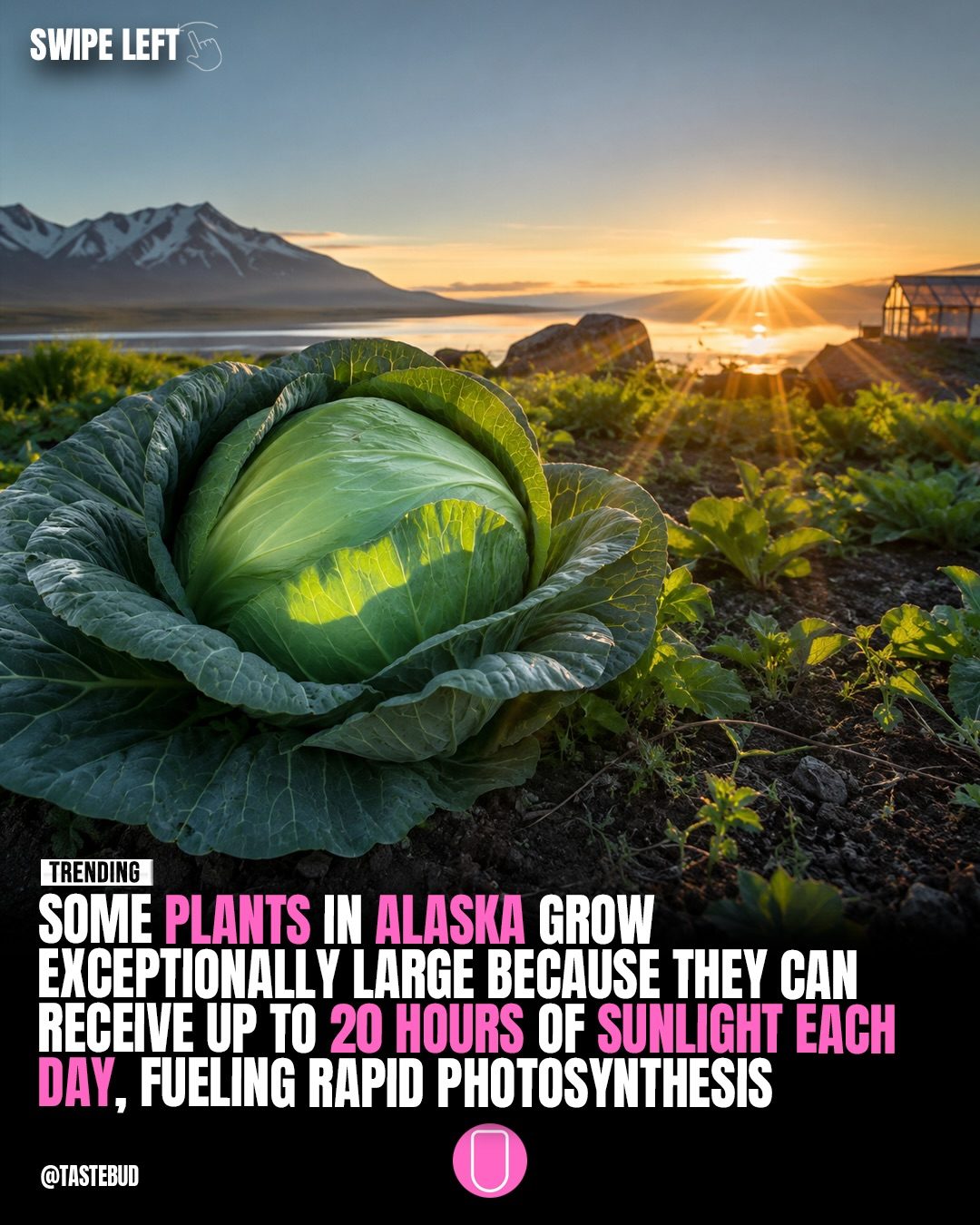
Giant Vegetables in Alaska
Alaska is renowned for its gigantic vegetables, with cabbages, broccoli, and other crops reaching sizes that seem almost unreal. The state's unique climate, particularly the long summer days, plays a crucial role in this agricultural phenomenon. With up to 20 hours of sunlight, plants in Alaska have ample time for photosynthesis. This extended exposure to sunlight fuels rapid growth, often resulting in not just larger, but sometimes sweeter vegetables. The result: Alaska frequently dominates giant vegetable competitions.
Why This Matters
Understanding the growth of giant vegetables in Alaska offers insights into the unique environmental factors that can influence plant growth. The long daylight hours in Alaska are a key driver of this phenomenon. This natural advantage makes it an ideal location for growing exceptionally large produce, which has implications for both local agriculture and the global vegetable market.
Main Discussion
The Role of Sunlight
The extended daylight hours in Alaska are the primary reason behind the growth of massive vegetables. Sunlight is essential for photosynthesis, the process by which plants convert light energy into chemical energy stored as glucose. In Alaska, vegetables have up to 20 hours of sunlight, which accelerates photosynthesis and promotes rapid growth. This excess energy allows plants to grow larger and sometimes even sweeter produce.
Key Vegetables
Alaska's unique climate has resulted in a variety of giant vegetables. Some of the most notable include:
- Cabbages: Alaska has produced record-breaking cabbages, with some weighing in at an astonishing 138 pounds. This is a significant deviation from the average commercial cabbage, which typically weighs between 2 to 5 pounds.
- Cantaloupes: The cantaloupes grown in Alaska can reach up to 65 pounds, significantly larger than the typical 5 to 7-pound melons found in most markets. The sweetness of these giant cantaloupes is often enhanced by the long hours of sunlight.
- Pumpkins: Pumpkins in Alaska can also grow exceptionally large, rivaling those grown in other regions known for giant pumpkins, like Maine and California. The long summer days help pumpkins achieve their massive sizes.
Environmental Factors
While sunlight is the most significant factor, other environmental factors also contribute to the growth of giant vegetables in Alaska. The region's cool summer temperatures and nutrient-rich soil play a role in the development of these massive plants. Additionally, the absence of pest pressure and the reduced need for irrigation, thanks to ample rainfall, create optimal growing conditions.
Practical Tips
For those interested in growing giant vegetables, there are a few tips to keep in mind, even if you can't replicate Alaska's unique environment:
- Choose the Right Vegetables: Select vegetables known for their potential to grow large. Cabbages, pumpkins, and cantaloupes are good options.
- Maximize Sunlight Exposure: Ensure your garden receives maximum sunlight. If you're in a region with shorter daylight hours, consider using supplemental lighting.
- Optimize Soil and Water: Use nutrient-rich soil and ensure consistent watering. However, avoid overwatering, as it can lead to root rot and other issues.
- Use Best Practices: Follow best gardening practices, including proper spacing, pruning, and pesticide use to protect your plants from pests and diseases.
- Monitor Nutrient Levels: Regularly check and balance the nutrient levels in your soil. Gigantic vegetables require a steady supply of nutrients to grow to their full potential.
Important Takeaways
Alaska's ability to grow massive vegetables is a testament to the power of its unique climate. The extended daylight hours, cool temperatures, and nutrient-rich soil create ideal conditions for rapid plant growth. Gardeners and agriculturalists can learn from this natural advantage and apply similar principles in their own gardens. By maximizing sunlight, optimizing soil and water conditions, and following best gardening practices, it's possible to grow larger, healthier vegetables, even in less ideal climates.
Conclusion
The phenomenon of giant vegetables in Alaska is a fascinating example of how environmental factors can influence plant growth. The long summer days, coupled with cool temperatures and nutrient-rich soil, create a perfect storm for growing exceptionally large produce. From record-breaking cabbages to massive cantaloupes and pumpkins, Alaska's unique climate offers valuable insights into the potential of plant growth. Whether you're a gardener or an agricultural enthusiast, understanding these factors can help you achieve better results in your own gardening endeavors.
Watch the Reel
Questions readers ask
How do Alaska's long summer days affect vegetable growth?
Alaska's long summer days provide up to 20 hours of sunlight, which significantly boosts plant growth. The extended sunlight hours allow for prolonged photosynthesis, resulting in larger, and often sweeter, vegetables compared to those grown in regions with shorter daylight hours.
What types of giant vegetables are commonly grown in Alaska?
Alaska is known for producing exceptionally large vegetables such as cabbages, broccoli, and cantaloupes. These vegetables often reach sizes that are much larger than those found in other parts of the world, making Alaska a prominent player in giant vegetable competitions.
Why are some vegetables from Alaska sweeter than typical produce?
The extended periods of sunlight in Alaska can enhance the sugar content in vegetables. This increased sugar content is what makes some vegetables, like cantaloupes, sweeter than those grown in other regions. The long daylight hours promote a higher level of photosynthesis, which can lead to this sweetening effect.
What role does sunlight play in growing massive vegetables in Alaska?
Sunlight is crucial for the rapid growth of vegetables in Alaska. The long summer days, with up to 20 hours of sunlight, provide ample energy for photosynthesis, the process by which plants convert light into energy. This abundant sunlight is a key factor in the impressive sizes of Alaska's vegetables, such as giant cabbages and pumpkins.
How does Alaska's climate contribute to the size of its vegetables?
Alaska's unique climate, characterized by long summer days and abundant sunlight, creates ideal conditions for growing massive vegetables. The extended daylight hours fuel rapid plant growth, leading to larger vegetables compared to those grown in regions with less sunlight.
Can the methods used to grow giant vegetables in Alaska be applied elsewhere?
While the specific environmental conditions in Alaska, such as the long daylight hours, are unique, growers in other regions can learn from the techniques used in Alaska. These methods include optimizing sunlight exposure, choosing the right crops, and understanding the impact of climate on plant growth, which can potentially lead to larger vegetables in other parts of the world.
What are some of the challenges of growing vegetables in Alaska?
Despite the benefits of long summer days, growing vegetables in Alaska comes with challenges, including a short growing season and harsh winter conditions. Growers must carefully plan their planting and harvesting schedules to make the most of the brief growing window, ensuring that their crops reach maturity before the cold weather sets in.
Related deep dives
Similar reads based on topic and creator.




Recent articles
Fresh deep dives from the latest Reels we unpacked.




Comments
Be the first to comment.