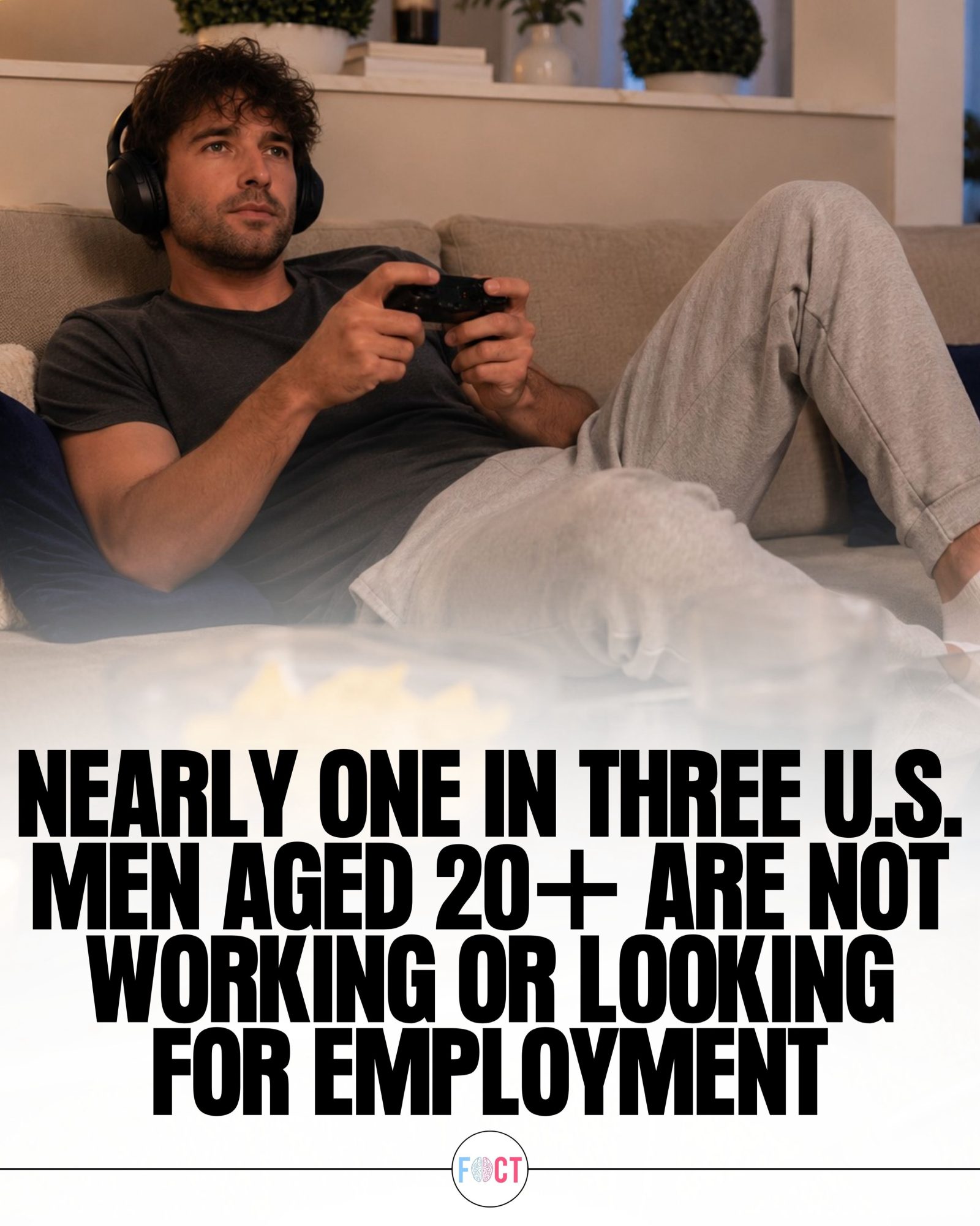
Unemployment among U.S. Working-Age Men
The U.S. labor force is facing a significant shift as a growing number of working-age men are no longer participating in the workforce. This trend, driven by various factors, has sparked debates about labor shortages, the future of the workforce, and potential policy solutions. Experts point to a mix of chronic illness, disabilities, early retirement, caregiving responsibilities, mental health challenges, and shifting economic conditions as key drivers behind this change.
Why This Matters
Understanding the reasons behind the decline in workforce participation is crucial for addressing potential labor shortages and ensuring the well-being of the population. Policymakers, economists, and social workers are examining the data to develop strategies that could encourage more people to return to work or find suitable alternatives.
The Trend: Working-Age Men Leaving the Workforce
The Numbers
Nearly one in three U.S. men aged 20+ are not working or actively seeking employment. This statistic underscores the magnitude of the issue and highlights the need for a closer look at the underlying causes. The trend is not isolated to a specific age group or region, making it a widespread phenomenon that requires a comprehensive approach.
Drivers of the Trend
Several interrelated factors contribute to the trend of working-age men leaving the labor force.
Chronic Illness and Disabilities
Chronic health conditions and disabilities are significant barriers to employment. Many individuals struggle to find or maintain jobs due to physical limitations, frequent medical appointments, or the need for ongoing treatment. This challenge is compounded by a lack of accessible and accommodating work environments.
Early Retirement
A growing number of individuals are opting for early retirement, often due to financial stability or wanting more personal time. While this can be a choice based on personal preferences, it also reflects broader economic changes, such as the availability of pension plans and the increasing age of retirement eligibility.
Caregiving Responsibilities
The burden of caregiving responsibilities, whether for children, elderly parents, or other family members, can make it difficult for individuals to participate in the labor force. The demand for caregiving is increasing as the population ages, and caregiving responsibilities often fall disproportionately on men.
Mental Health Challenges
Mental health issues, such as depression, anxiety, and stress, can severely impact an individual's ability to work. The stigma surrounding mental health, combined with inadequate mental health services, often leaves individuals without the support they need to re-enter the workforce.
Shifting Economic Conditions
The economic landscape is constantly evolving, and recent shifts, such as the rise of the gig economy, automation, and global economic changes, have altered the nature of work. These changes can make it difficult for some individuals to find steady employment, leading to a reduction in workforce participation. The COVID-19 pandemic, for example, has had a profound impact on employment patterns and economic conditions.
Practical Tips for Addressing the Trend
Policy Recommendations
-
Expand Access to Healthcare and Mental Health Services
Enhancing access to healthcare and mental health services can help individuals manage chronic health conditions, disabilities, and mental health challenges, making it easier for them to participate in the labor force.
-
Promote Flexible Work Arrangements
Policies that encourage flexible work arrangements, such as remote work, part-time options, and job sharing, can help individuals balance work and caregiving responsibilities.
-
Increase Access to Education and Training
Providing accessible education and training programs can help individuals develop new skills, making them more competitive in the job market. This is particularly important for those who have been out of the workforce for an extended period.
-
Encourage Entrepreneurship
Supporting entrepreneurship can provide alternative employment opportunities for those who may struggle to find traditional jobs. This can include access to loans, grants, and mentorship programs.
-
Implement Targeted Programs
Developing targeted programs for specific groups, such as early retirees or individuals with disabilities, can help address their unique challenges and needs.
Important Takeaways
The Complex Nature of the Issue
The trend of working-age men leaving the labor force is complex and multifaceted, requiring a nuanced understanding of the underlying causes. Addressing this issue will require a coordinated effort from policymakers, healthcare providers, educators, and employers.
The decline in workforce participation has significant implications for the economy, labor market, and the well-being of the population. Understanding and addressing the root causes of this trend is essential for ensuring a stable and inclusive future.
The Role of Data
Accurate data is crucial for developing effective strategies to address the trend of working-age men leaving the workforce. Continued monitoring and analysis of labor force participation trends can help identify emerging issues and inform policy decisions.
The Need for Comprehensive Solutions
Addressing the trend of working-age men leaving the workforce will require comprehensive solutions that address the root causes of the issue. This includes expanding access to healthcare and mental health services, promoting flexible work arrangements, increasing access to education and training, encouraging entrepreneurship, and implementing targeted programs.
Conclusion
The decline in workforce participation among working-age men in the United States is a significant and complex issue. Understanding the underlying causes and developing effective strategies to address this trend is essential for ensuring a stable and inclusive future. Healthcare, mental health services, education, training, flexible work arrangements, entrepreneurship, and targeted programs are critical to addressing the challenges faced by this population.
By taking a comprehensive and nuanced approach, we can help more individuals return to the workforce or find suitable alternatives, contributing to a more dynamic and inclusive labor market. The future of the U.S. workforce depends on our ability to address this issue effectively and thoughtfully.
Watch the Reel
Questions readers ask
What are the primary reasons behind the decline in U.S. workforce participation among working-age men?
Several factors contribute to this trend, including chronic health issues, disabilities, early retirement, caregiving responsibilities, mental health challenges, and shifting economic conditions. These factors combined have led to a significant number of men exiting the workforce.
How does the trend of men leaving the workforce impact the U.S. economy?
The decline in workforce participation among men can lead to labor shortages, which in turn can affect economic productivity and growth. This trend raises concerns about the overall economic well-being and sustainability of the workforce.
What are the most significant factors driving early retirement among U.S. men?
Early retirement among U.S. men is often influenced by chronic health issues, disabilities, and mental health challenges. Furthermore, economic conditions and job satisfaction play a crucial role in the decision to retire early.
What can policymakers do to address the issue of long-term unemployment among men?
Policymakers can explore various solutions, such as implementing targeted job training programs, improving access to mental health services, and providing incentives for businesses to hire individuals with chronic health conditions or disabilities. Additionally, addressing caregiving responsibilities through supportive policies can encourage more men to re-enter the workforce.
What are the implications of the declining workforce participation rate among men for the labor market?
The declining workforce participation rate among men can lead to labor shortages, affecting various industries and sectors. This trend may necessitate adjustments in labor policies, increased automation, or a shift in workforce demographics to maintain economic productivity.
How does mental health play a role in the trend of men exiting the workforce?
Mental health challenges, such as depression, anxiety, and stress, can significantly impact a man's ability and willingness to work. Addressing mental health issues through accessible support services and destigmatizing mental health conversations can help mitigate this factor and encourage more men to remain in the workforce.
What are the economic consequences of a significant number of U.S. men not working?
When a large number of working-age men are not working, it can lead to decreased economic productivity, reduced tax revenues, and increased strain on social welfare systems. Addressing the underlying causes of this trend is essential for maintaining overall economic health and fostering a robust labor market.
Related deep dives
Similar reads based on topic and creator.



Recent articles
Fresh deep dives from the latest Reels we unpacked.




Comments
Be the first to comment.