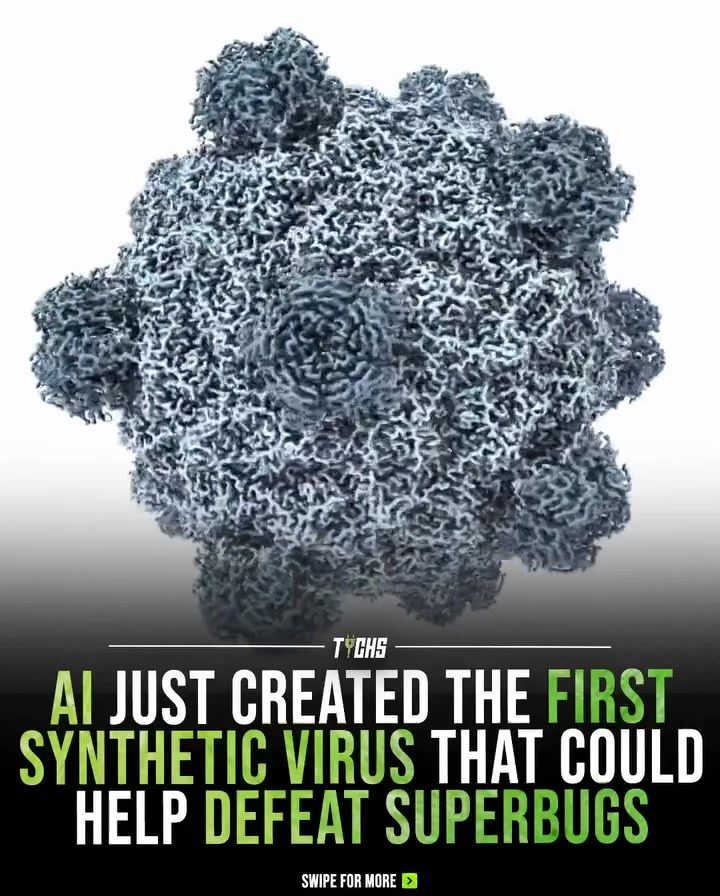
Synthetic Virus Development
The cutting-edge field of synthetic biology has reached a remarkable milestone with the creation of entirely new viruses through artificial intelligence. Researchers from the Arc Institute and Stanford University have harnessed the power of AI to design entirely new bacteriophages that do not exist in nature. These synthetic viruses hold promising potential for combating antibiotic-resistant superbugs.
Why This Matters
The rise of antibiotic-resistant bacteria poses a significant threat to global health. Traditional antibiotics are becoming less effective, leading to prolonged and potentially deadly infections. The development of synthetic viruses offers a new avenue for treating these resistant strains, potentially revolutionizing medical treatments.
Main Discussion
The Role of AI in Synthetic Biology
AI has become a powerful tool in the field of synthetic biology. By training the Evo 2 AI model on a vast dataset of 9.3 trillion DNA building blocks from over 128,000 organisms, researchers have enabled the AI to understand the "grammar" of DNA. This understanding allows the AI to generate novel bacteriophage designs that can infect and potentially eliminate bacteria.
The Creation of Synthetic Bacteriophages
The Evo 2 AI model was used to create thousands of new bacteriophage designs. Researchers then selected 285 candidates for laboratory testing, of which 16 were successful. Some of these synthetic phages performed better than naturally occurring phages, demonstrating the potential of AI-generated viruses in combating bacterial infections.
Testing Against Superbugs
To evaluate the effectiveness of these synthetic viruses, scientists created a phage-resistant superbug by evolving a harmless strain of E. coli. They then deployed the AI-designed phages against this resistant strain. Within a few generations, the synthetic phages adapted to overcome the bacteria's defenses and successfully eliminated the resistant strain. This adaptability and effectiveness highlight the potential of synthetic viruses as a future treatment for antibiotic-resistant infections.
Safety and Future Prospects
Bacteriophages, unlike viruses that infect humans, specifically target bacteria. This makes them a promising tool for combating antibiotic-resistant infections without harming human cells. As research continues, synthetic bacteriophages could become a crucial component in the fight against superbugs, potentially saving countless lives and reducing the healthcare burden associated with resistant infections.
Practical Tips
Understanding Bacterial Resistance
To fully appreciate the significance of synthetic viruses, it's essential to understand how bacteria develop resistance to antibiotics. Bacteria can evolve mechanisms to neutralize or expel antibiotics, making them ineffective. Synthetic viruses offer a new approach by targeting different vulnerabilities in bacterial cells, reducing the likelihood of resistance.
Potential Applications
The potential applications of synthetic viruses extend beyond treating antibiotic-resistant infections. They could be used in various fields, including agriculture to combat bacterial infections in crops and livestock. Additionally, they could be employed in environmental remediation to target harmful bacteria in ecosystems.
Important Takeaways
The Potential of Synthetic Biology
Synthetic biology, combined with AI, has the potential to revolutionize various fields, including medicine, agriculture, and environmental science. The creation of synthetic viruses is just one example of how this technology can be harnessed to address pressing global challenges.
Continuous Research and Development
Ongoing research and development are crucial for fully realizing the potential of synthetic viruses. Continued investment in this area will lead to new discoveries and applications, ultimately benefiting humanity in numerous ways.
Conclusion
The development of synthetic viruses through AI represents a groundbreaking achievement in synthetic biology. These synthetic bacteriophages offer a promising new tool in the fight against antibiotic-resistant superbugs, potentially saving lives and reducing the healthcare burden. As research continues, the applications and benefits of synthetic viruses are likely to expand, making them a vital component in the ongoing battle against bacterial infections.
Watch the Reel
Questions readers ask
What are synthetic viruses and how are they created?
Synthetic viruses, specifically bacteriophages, are designed in the lab using synthetic biology and AI. These viruses are created to target and destroy antibiotic-resistant bacteria, offering a novel approach to combat superbugs.
How do synthetic bacteriophages differ from natural ones?
Synthetic bacteriophages are designed from scratch using AI algorithms, allowing for precise targeting of specific bacteria. Unlike natural phages, these synthetic viruses can be engineered to overcome the limitations of natural ones, such as host range and immunity.
Which institutions are leading the research on AI-designed synthetic viruses?
The Arc Institute and Stanford University are at the forefront of this research. Their collaboration has led to significant advancements in creating synthetic bacteriophages using AI to fight antibiotic-resistant bacteria.
Why are synthetic viruses important in the fight against superbugs?
Antibiotic-resistant bacteria, or superbugs, pose a growing threat due to the decreasing effectiveness of traditional antibiotics. Synthetic viruses offer a promising alternative by providing a new mechanism to target and eliminate these resistant strains.
How does AI contribute to the development of synthetic viruses?
AI plays a crucial role in designing synthetic viruses by analyzing vast amounts of data to identify effective viral structures and mechanisms. This allows for the creation of highly targeted and efficient bacteriophages that can combat specific bacterial infections.
What are the potential benefits of using synthetic viruses in medical treatments?
Synthetic viruses can potentially revolutionize medical treatments by providing a new way to combat antibiotic-resistant infections. They offer a targeted approach, reducing the risk of widespread antibiotic resistance and potentially leading to more effective and quicker recoveries.
Are there any concerns or challenges associated with using synthetic viruses?
While promising, the use of synthetic viruses also raises concerns about potential unintended consequences, such as the development of phage resistance in bacteria. Researchers must carefully consider these challenges and conduct thorough testing to ensure the safety and efficacy of these new treatments.
Recent articles
Fresh deep dives from the latest Reels we unpacked.




Comments
Be the first to comment.