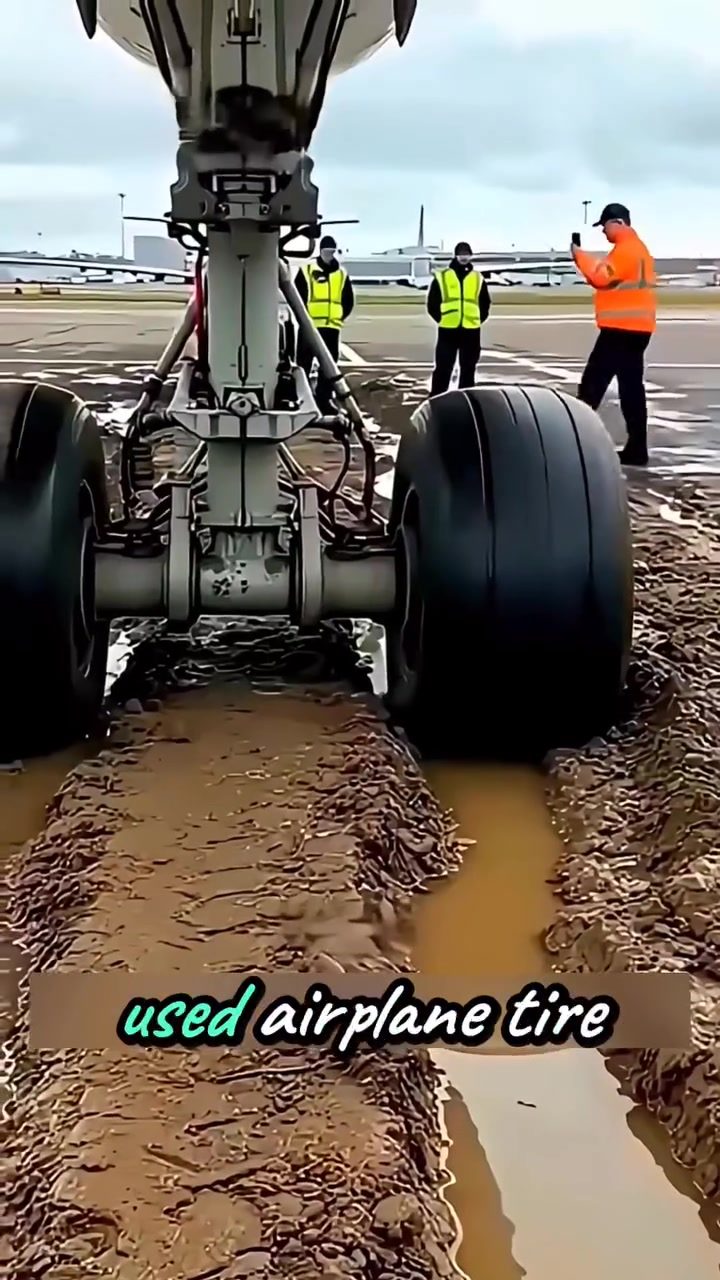
Airplane Tires: Built to Withstand Extreme Conditions
Airplane tires are designed to endure immense stress and extreme conditions. They are engineered to withstand the rigorous demands of takeoffs and landings, making them a critical component of aviation safety. This article delves into the unique challenges that airplane tires face, their robust construction, and their afterlife once they are retired from service.
Their Role in Aviation
Airplane tires play a crucial role in ensuring the smooth and safe operation of aircraft. They are specially designed to withstand the extreme forces and temperatures that occur during takeoff and landing. The tire's ability to absorb and distribute these forces is vital for the safety of the passengers and the integrity of the aircraft.
The Extreme Conditions
Just seconds before landing, an airplane tire goes from a state of complete stillness to over 240 kilometers per hour in an instant. This rapid acceleration subjects the tire to enormous stress. Upon touchdown, each tire absorbs nearly 300 tons of force, causing smoke to explode out due to the intense friction. Temperatures can rise so high that parts of the tire begin to burn away. Despite these extreme conditions, this process is considered normal. These tires are designed to survive around 400 takeoffs and landings before they need to be replaced.
Tire Construction and Materials
Airplane tires are constructed from ultra-strong rubber, reinforced steel, and heavy-duty nylon layers. The reinforced steel provides the necessary strength and stability, while the heavy-duty nylon layers add durability and flexibility. The combination of these materials allows the tires to withstand the extreme forces and temperatures encountered during landings. The robust construction ensures that the tires can handle the rigorous demands of aviation without compromising safety.
Recycling and Reuse
Once an airplane tire has reached the end of its useful life, it is not simply discarded. Major tire manufacturers, such as Bridgestone and Michelin, are known to pay significant amounts to recycle them. These retired tires are made from ultra-strong materials that can be repurposed for various applications.
- Industrial Shock Absorbers: The reinforced steel and durable materials from airplane tires are repurposed to create industrial shock absorbers, which are used in various heavy-duty equipment and machinery.
- Professional Sports Equipment: Believe it or not, the materials from airplane tires are also used in the production of professional sports equipment. The ultra-strong rubber and reinforced steel make for durable and high-performance sports gear.
Practical Tips for Understanding Airplane Tire Maintenance
While the average person may not directly interact with airplane tires, understanding their maintenance and care is important for anyone involved in the aviation industry. Here are some practical tips to keep in mind:
Regular Inspections
Regular inspections are crucial for ensuring the safety and longevity of airplane tires. Inspectors should look for signs of wear, damage, and any abnormalities that could compromise the tire's performance.
Proper Inflation
Maintaining the correct tire pressure is essential for optimal performance. Underinflated or overinflated tires can lead to uneven wear, reduced traction, and increased risk of tire failure.
Monitoring Tire Temperature
During takeoff and landing, tire temperatures can reach extremely high levels. Monitoring these temperatures ensures that the tires do not overheat and fail prematurely.
Material Quality
Ensuring that the tires are made from high-quality materials is paramount. The use of ultra-strong rubber, reinforced steel, and heavy-duty nylon layers ensures that the tires can withstand the extreme conditions of aviation.
Important Considerations
When dealing with airplane tires, it's important to remember that these are not your average automotive tires. They are designed to handle much more stress and extreme conditions. Here are some key considerations to keep in mind:
- Weight Distribution: The landing gear, which includes the tires, must distribute the weight of the aircraft evenly to prevent any uneven wear or damage.
- Temperature Management: Proper temperature management techniques, such as using cooling systems or allowing the tires to cool down after use, can help extend their lifespan.
- Regular Maintenance: Following a strict maintenance schedule that includes regular inspections, proper inflation, and monitoring of temperature ensures that the tires remain in optimal condition.
- Reuse and Recycling: The potential for repurposing and recycling the materials from retired airplane tires highlights their enduring value and environmental impact.
Conclusion
Airplane tires are a marvel of engineering, designed to withstand extreme conditions and ensure the safety of passengers and aircraft. Their robust construction and ability to withstand the rigorous demands of aviation make them an essential component of modern flight. Understanding the extreme conditions these tires face, their construction, and their afterlife highlights the value and importance of maintaining and repurposing these vital components.
Watch the Reel
Questions readers ask
What materials are used to construct airplane tires to ensure their durability?
Airplane tires are constructed using ultra-strong rubber, steel, and nylon. These materials work together to withstand the immense stress and temperatures experienced during takeoffs and landings and the force exerted on the tires.
What extreme forces do airplane tires need to endure during landing?
Airplane tires must withstand forces of nearly 300 tons upon touchdown. This extreme force is one of the reasons why airplane tires are built so robustly, with reinforced construction to ensure safety and durability.
How often do airplane tires need to be replaced?
Airplane tires typically need to be replaced after around 400 landings. This lifespan is determined by the extreme conditions and forces that tires endure, making regular inspection and maintenance crucial for aviation safety.
Why is the pressure in airplane tires so high?
Airplane tires are inflated to very high pressures, often up to 200 psi, to support the immense weight of the aircraft and to withstand the extreme forces during takeoff and landing. High pressure helps distribute the aircraft's weight evenly and enhances the tire's shock-absorbing capabilities.
What happens to airplane tires after they are retired from service?
After retirement, airplane tires are often recycled or repurposed. They can be used for various applications, such as producing new rubber products, or even in construction materials, ensuring that the tires' robust materials are used efficiently.
How do airplane tires contribute to aviation safety?
Airplane tires play a critical role in aviation safety by absorbing and distributing the extreme forces experienced during takeoff and landing. Their robust construction and high pressure ensure that the aircraft remains stable and safe, protecting both the aircraft and its passengers.
What are the key components of airplane landing gear?
Key components of airplane landing gear include the tires, wheels, brakes, shock absorbers, and the structural framework. These parts work together to support the weight of the aircraft, absorb the impact of landing, and ensure smooth ground operations. The tires themselves are crucial for distributing the forces and providing the necessary traction.
Recent articles
Fresh deep dives from the latest Reels we unpacked.




Comments
Be the first to comment.