Turning Air into Gasoline
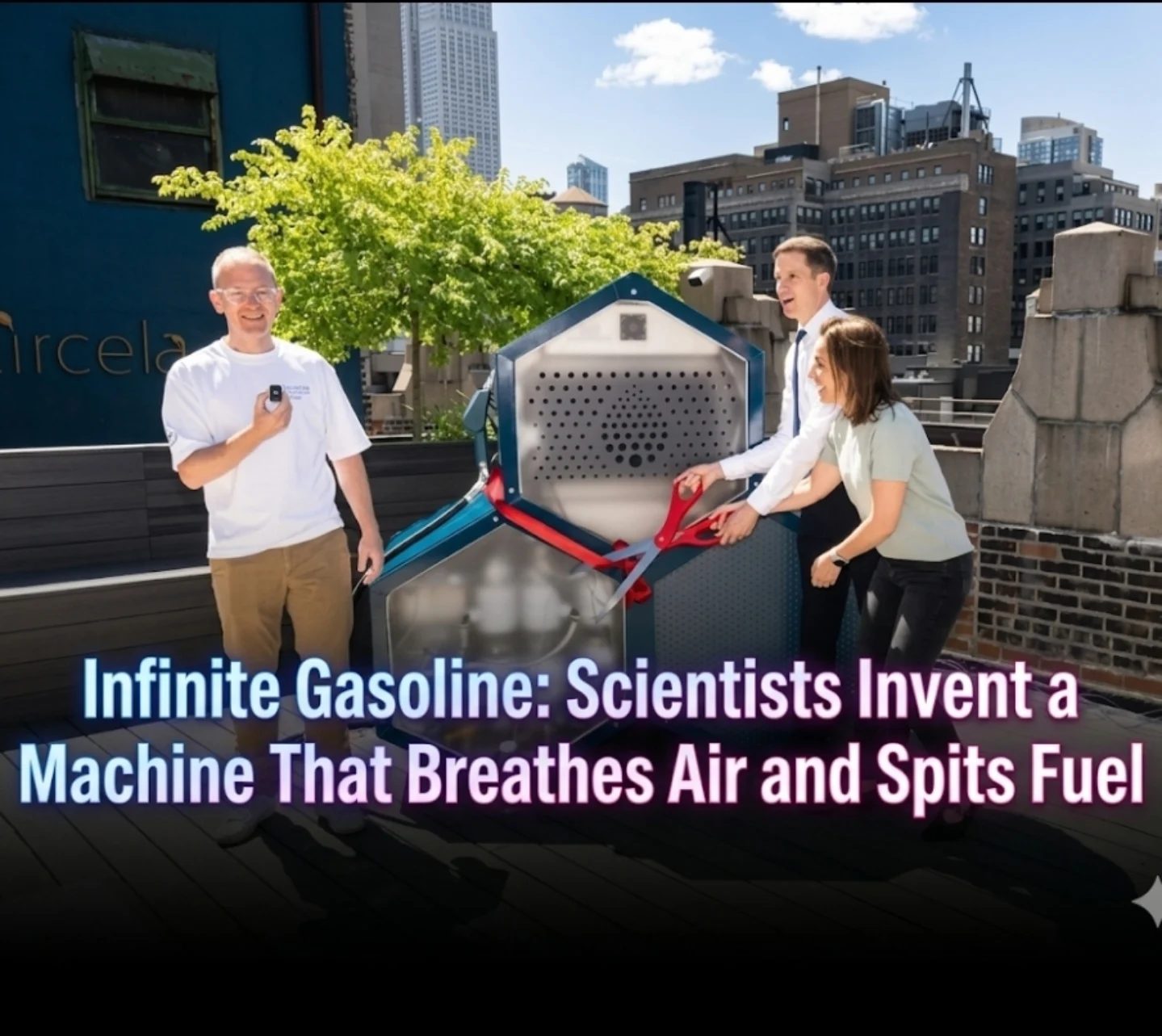
The direct conversion of air into gasoline is a groundbreaking development in the realm of climate technology. The Brooklyn-based startup Aircela recently unveiled a modular, refrigerator-sized fuel extraction device that captures CO₂ directly from the atmosphere and converts it into liquid gasoline. This innovation, unveiled on the rooftop of a Manhattan building in May 2025, marks a significant milestone in sustainable energy solutions.
Why this matters
The ability to turn air into gasoline has far-reaching implications. This technology addresses two critical issues: reducing dependence on fossil fuels and mitigating carbon emissions. By recycling carbon that is already in the atmosphere, this process offers a sustainable alternative to traditional fuel production methods.
The Fuel Extraction Process
The fuel extraction process involves several key steps: Direct Air Capture (DAC), Electrolysis, and Synthesis.
Direct Air Capture (DAC)
The device begins by pulling CO₂ directly from the atmosphere using a liquid solution. This step is crucial as it captures the existing carbon dioxide in the air, rather than extracting new carbon from the ground. The captured CO₂ is then stored for the next stage of the process.
Electrolysis
Using renewable electricity, the machine splits water molecules through electrolysis to produce hydrogen. This hydrogen is then combined with the captured CO₂ in the final stage of the process.
Synthesis
In the synthesis stage, the captured CO₂ and hydrogen are combined through a chemical process known as Methanol-to-Gasoline. This process converts the two gases into actual liquid gasoline, which can be used in any standard internal combustion engine. The resulting fuel has an octane rating (AKI) of about 90–95, making it compatible with modern cars.
Key Facts & Figures
One of the most impressive aspects of this device is its current production capacity. A single unit can produce about 1 gallon of gasoline per day, while capturing roughly 10kg of CO₂. This may seem modest, but it's a significant step forward in sustainable fuel production. The device requires approximately 75 kWh of electricity to produce that one gallon, highlighting the importance of powering the device with clean, renewable energy sources like solar or wind.
Potential Environmental Impact
The environmental benefits of this technology are substantial. By recycling carbon from the atmosphere, this device helps reduce the overall carbon footprint associated with fuel production. Furthermore, the resulting fuel can be used in existing infrastructure, making it a practical and immediately implementable solution.
Practical Tips
If you're considering integrating this technology into your daily life or business, here are some practical tips to keep in mind:
Power Source
Ensure the device is powered by renewable energy sources. This maximizes the environmental benefits and aligns with the overall sustainability goals of the technology.
Maintenance
Schedule regular maintenance checks to ensure the device is operating at peak efficiency. This includes checking the liquid solution used in the Direct Air Capture process and ensuring the vents and metallic frame are clean and free from obstructions.
Scalability
Look into the scalability of the technology. While a single unit produces 1 gallon of gasoline per day, scaling up production could significantly impact fuel consumption and carbon emissions.
Important Takeaways
This groundbreaking technology offers a sustainable and practical solution to reducing carbon emissions and dependence on fossil fuels. The ability to convert air into gasoline demonstrates the potential for innovative climate tech solutions and their real-world applications. By integrating this technology into existing infrastructure, we can move towards a more sustainable future.
Conclusion
Aircela's fuel extraction device represents a significant leap forward in climate technology. By converting air into gasoline, this innovation addresses critical environmental concerns while providing a practical solution for sustainable fuel production. As we continue to explore and implement this technology, we move closer to a future where clean energy and sustainable practices are the norm.
Watch the Reel
Questions readers ask
How does the Aircela CO₂ converter work?
Aircela's device captures CO₂ directly from the air and uses a chemical process to convert it into liquid gasoline. It's designed to be modular, compact, and suitable for various environments, such as rooftops, making it a versatile solution for sustainable fuel production.
What are the benefits of converting atmospheric CO₂ into gasoline?
Converting atmospheric CO₂ into gasoline has two primary benefits: reducing dependence on fossil fuels and mitigating carbon emissions. Because it recycles carbon already present in the atmosphere, this technology contributes to a closed carbon cycle and helps lower overall emissions.
What are the potential uses of the renewable gasoline produced by Aircela's device?
The gasoline produced by Aircela's device is suitable for use in standard engines, making it a viable fuel for vehicles, generators, and other machines that typically rely on conventional gasoline. This makes it a practical solution for both transportation and energy needs.
How does the Aircela fuel device contribute to sustainable gasoline production?
The Aircela fuel device contributes to sustainable gasoline production by converting atmospheric CO₂ into liquid fuel, rather than relying on extracting new fossil fuels. This process helps reduce the carbon footprint of gasoline use and provides a renewable source of fuel.
What are the specific implications of the modular design of Aircela's air-to-gasoline device?
The modular design of Aircela's device allows for flexible deployment in various settings, from urban rooftops to remote areas. This design ensures that the technology can be scaled up or down depending on the fuel demands, making it adaptable and widely applicable.
What is the significance of Aircela's technology being unveiled on a rooftop in Manhattan?
The unveiling of Aircela's technology on a rooftop in Manhattan highlights its potential for urban implementation. By demonstrating the device in a city environment, Aircela shows that sustainable fuel solutions can be integrated into densely populated areas, contributing to cleaner air and reduced carbon emissions in urban settings.
How does Aircela's air-to-fuel technology address carbon emissions?
Aircela's air-to-fuel technology addresses carbon emissions by capturing and converting CO₂ from the atmosphere into gasoline. This process reduces the amount of carbon that would otherwise contribute to global warming, helping to lessen the environmental impact of traditional fuel use.
Related deep dives
Similar reads based on topic and creator.




Recent articles
Fresh deep dives from the latest Reels we unpacked.




Comments
Be the first to comment.