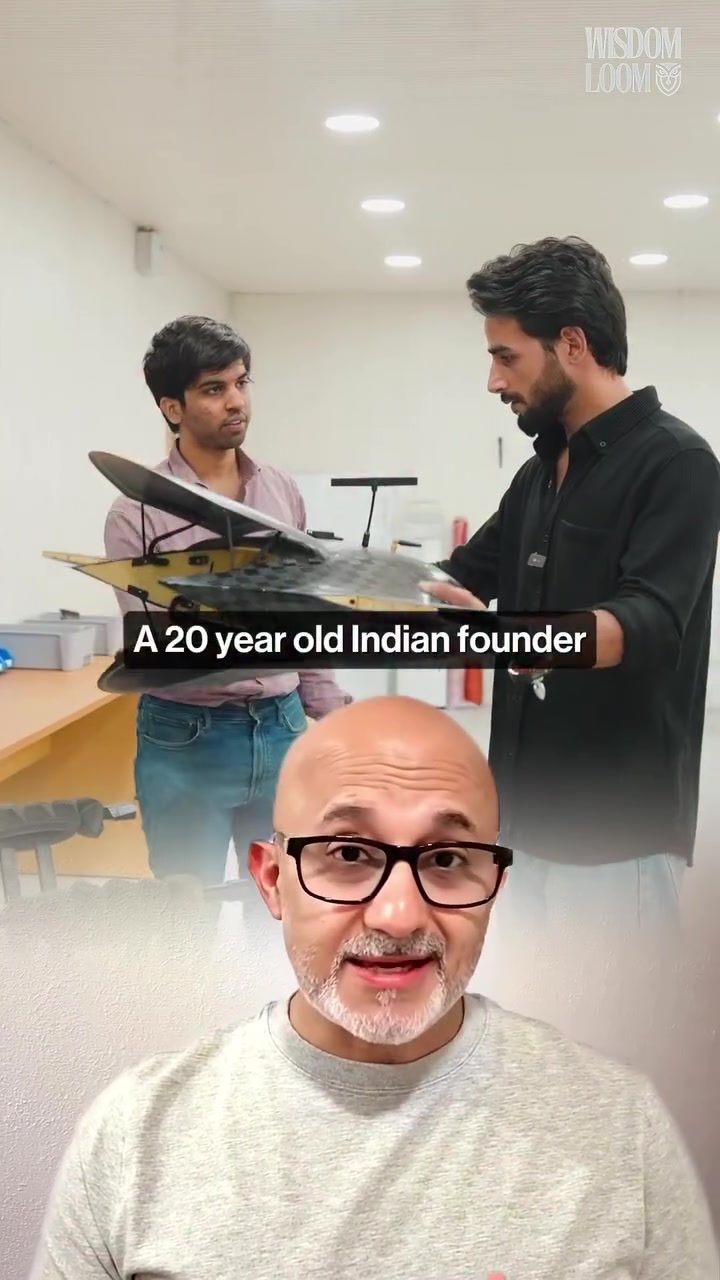
Drone Delivery Innovation: Airbound's Engineering-Focused Approach
Drone delivery has long been touted as the future of logistics, promising faster and more efficient package transportation. However, the challenges of cost and efficiency have hindered widespread adoption. Airbound, founded by Naman Pushp, is tackling these issues head-on with an engineering-first approach, focusing on reducing aircraft weight to improve overall efficiency.
Why This Matters
The potential of drone delivery is immense, particularly in areas like medical supplies and remote locations. However, the current cost and energy consumption of traditional delivery methods make it impractical for many applications. Airbound's innovative design aims to change this by making drone delivery economically viable.
The Airbound Difference
A Young Founder with Big Ideas
Naman Pushp, the 20-year-old founder of Airbound, began his journey into drone technology at just 15 years old. With a small grant and homemade prototypes, he started building drones because he couldn't afford expensive equipment. His early experiences laid the foundation for his engineering-focused approach to drone delivery.
Pushp's company is now backed by engineers from notable companies like SpaceX, Tesla, and Android, indicating the potential and credibility of his vision. Unlike many other drone companies that focus on AI and autonomous navigation, Airbound prioritizes the fundamental engineering aspects of drone design.
Redesigning the Drone Frame
One of the most significant innovations from Airbound is their ultra-light carbon-fiber drone frame, which weighs only around 350 grams. This dramatic reduction in weight is crucial for improving energy efficiency. By decreasing the weight of the drone, less energy is required to move the package, making the delivery process more cost-effective.
To understand the impact, consider a traditional delivery method like a scooter. When a scooter is used to deliver a 3-kilogram package, the energy is expended on moving the rider, the heavy vehicle, fuel, and the package. Most of that energy isn't spent on moving the parcel itself. Airbound's redesigned drone frame addresses this issue by minimizing the weight of the aircraft, thus reducing overall energy consumption.
Medical Deliveries and Expansion Plans
Airbound has already completed hundreds of medical deliveries, demonstrating the practical applicability of their technology. These deliveries are a testament to the reliability and efficiency of their drones. The company has also signed agreements for much larger operations, indicating a promising future in the logistics sector.
The ultimate goal of Airbound is ambitious: to make drone delivery so inexpensive that sending a physical package could eventually cost close to sending a digital message. This vision, if realized, would revolutionize the logistics industry by making drone delivery a feasible and cost-effective option for a wide range of applications.
Practical Tips for Implementing Drone Delivery
Assessing Energy Efficiency
When considering drone delivery, it's essential to assess the energy efficiency of the aircraft. A lighter drone frame, like the carbon-fiber design from Airbound, can significantly reduce energy consumption. This not only makes the delivery process more economical but also aligns with environmental sustainability goals.
Prioritizing Engineering
While AI and autonomous navigation are important, focusing on the fundamental engineering aspects of drone design can lead to more significant breakthroughs. Companies should prioritize reducing the weight and improving the efficiency of their drones to make delivery services more cost-effective.
Testing in Real-World Scenarios
Real-world testing is crucial for validating the effectiveness of drone delivery systems. Airbound's successful completion of hundreds of medical deliveries showcases the importance of practical application. Companies should aim to replicate this by conducting real-world tests to identify and address potential challenges.
Scaling Operations
Expanding drone delivery operations requires careful planning and strategic partnerships. Airbound's approach of signing agreements for larger operations highlights the importance of scalable solutions. Companies should focus on building scalable systems and forming strategic partnerships to expand their delivery networks.
Important Takeaways
Airbound's engineering-first approach to drone delivery offers a promising solution to the challenges of cost and efficiency. By prioritizing a lightweight carbon-fiber drone frame, the company has demonstrated significant improvements in energy consumption and delivery efficiency. Their successful medical deliveries and expansion plans underscore the potential for drone delivery to become a cost-effective and practical solution for a wide range of applications.
Conclusion
Drone delivery has the potential to revolutionize the logistics industry, but its success depends on overcoming the challenges of cost and efficiency. Airbound, with its innovative engineering-focused approach, is leading the way in making drone delivery economically viable. By prioritizing lightweight designs and real-world testing, they are paving the way for a future where drone delivery is as common and cost-effective as sending a digital message.
Watch the Reel
Questions readers ask
What makes Airbound's drones different from traditional delivery drones?
Airbound's drones stand out due to their lightweight design, which reduces costs and energy consumption. This innovation makes them more practical for widespread use compared to traditional, heavier drones. By focusing on weight reduction, Airbound has developed drones that are not only more cost-effective but also more efficient for green delivery solutions.
How does the weight of a drone impact its efficiency and cost?
The weight of a drone significantly influences its energy consumption and operational costs. Heavier drones require more energy to fly, leading to higher operational expenses and faster battery depletion. Airbound's lightweight drones address this issue by using less energy, making them more cost-effective and allowing for longer flight times, which is ideal for drone shipping.
Who is Naman Pushp, and what is his role in Airbound?
Naman Pushp is the founder of Airbound. He leads the company's engineering-first approach, which focuses on creating lightweight, efficient drones. Pushp's vision and guidance are crucial in driving the innovations that make Airbound's drones a revolutionary force in the drone delivery landscape.
What are the potential benefits of using Airbound drones for drone delivery in remote locations and medical supply chains?
Airbound drones could transform delivery in remote and medically underserved areas by providing a faster and more reliable shipping method. Their lightweight and efficient design makes them an excellent choice for delivering medical supplies, ensuring that essential resources reach those in need without the typical barriers of cost and energy consumption.
How do Airbound's drones contribute to sustainable drone delivery solutions?
Airbound's drones are designed to be more energy-efficient, which reduces their carbon footprint. By consuming less energy, these lightweight drones help lower overall emissions, making them a greener choice for delivery services. This focus on sustainability aligns with the growing demand for eco-friendly shipping solutions.
What are the major challenges faced by traditional drone delivery methods?
Traditional drone delivery methods often struggle with high operational costs and significant energy consumption, which can make them impractical for large-scale use. Additional challenges include battery life limitations and the need for frequent charging or replacement, which can disrupt delivery schedules.
Related deep dives
Similar reads based on topic and creator.

Recent articles
Fresh deep dives from the latest Reels we unpacked.




Comments
Be the first to comment.