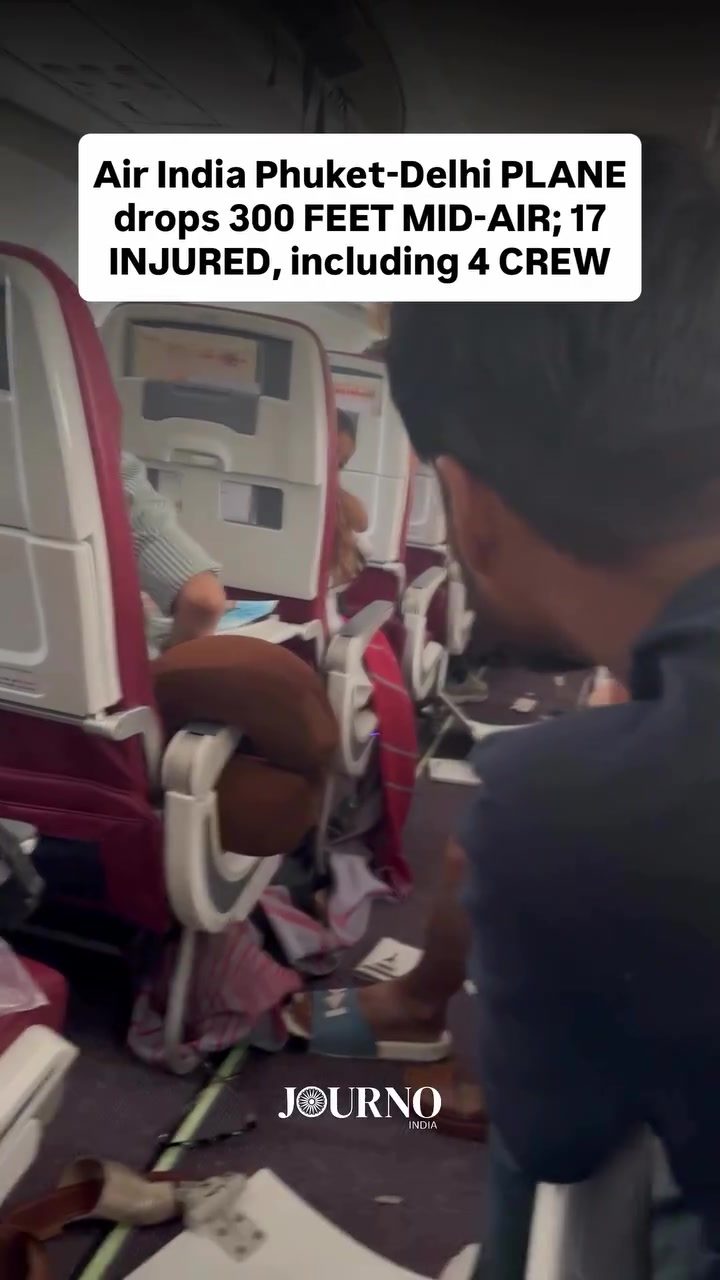
Air India Flight Encounters Severe Turbulence
The recent incident involving Air India Flight AI2379 from Phuket to Delhi highlights the unpredictable nature of in-flight turbulence and the importance of safety protocols. On Tuesday, the aircraft experienced a sudden 300-foot loss of altitude, leading to injuries and a mid-air nightmare for passengers and crew.
Why This Matters
Turbulence is a common occurrence in aviation, but incidents like this serve as a reminder of the potential dangers. Understanding the causes, effects, and safety measures related to turbulence is crucial for both passengers and airlines.
Causes and Effects of Turbulence
Understanding Turbulence
Turbulence can be caused by various factors, including weather conditions, jet streams, and clear-air turbulence (CAT). Clear-air turbulence, in particular, is challenging to detect because it occurs in clear skies with no visible clouds. This type of turbulence can be especially dangerous as it catches pilots and passengers off guard.
The Incident in Detail
The Airbus A320neo, carrying 137 passengers and eight crew members, encountered severe turbulence during its cruise phase. The sudden 300-foot drop in altitude resulted in 17 people being injured—13 passengers and four cabin crew members. The incident underscores the importance of being prepared for unexpected turbulence, even during what appears to be a smooth flight.
The Immediate Aftermath
Medical Response
Upon landing at Delhi’s Indira Gandhi International Airport, medical teams attended to the injured immediately. Five passengers were discharged by 6:50 p.m. IST on August 4, while the remaining injured continued to receive treatment and care. The aircraft landed safely at 11:07 a.m. IST, with no further operational issues reported.
Passenger and Crew Safety
The incident highlights the critical role of seat belts in ensuring passenger and crew safety. Even when the seat belt sign is off, passengers should keep their seat belts fastened to minimize the risk of injury during unexpected turbulence.
Air India's Response and Safety Measures
Immediate Actions
Air India took swift action to ensure the safety and well-being of its passengers and crew. The airline provided immediate medical attention and continued support for those injured. The aircraft was also inspected for any potential damage, ensuring it was safe to continue operations.
Future Safety Measures
Airlines continually update their safety protocols to address the risks posed by turbulence. These measures may include enhanced turbulence detection systems, better training for pilots and crew, and clearer communication with passengers about the importance of wearing seat belts.
Practical Tips for Passengers
Staying Safe During Turbulence
While turbulence can be unsettling, there are several steps passengers can take to stay safe:
- Keep Your Seat Belt Fastened: Even when the seat belt sign is off, it’s a good practice to keep your seat belt fastened while seated.
- Stay Informed: Listen to the crew’s announcements and follow their instructions regarding turbulence.
- Be Aware of Your Surroundings: Keep your hands on the seat in front of you or on your tray table to minimize the risk of injury.
- Avoid Walking During Turbulence: Stay seated and avoid walking around the cabin during turbulent conditions.
Managing Anxiety
For those who experience anxiety during turbulent flights, here are some tips to help manage stress:
- Deep Breathing Exercises: Take slow, deep breaths to help calm your nerves.
- Distraction Techniques: Engage in activities like reading, watching a movie, or listening to music to take your mind off the turbulence.
- Seek Support: If your anxiety is severe, consider speaking to a mental health professional or your doctor for strategies and medications that can help.
Important Takeaways
- Turbulence is unpredictable and can occur at any time during a flight.
- Wearing your seat belt, even when the sign is off, is crucial for safety.
- Airlines and passengers must stay vigilant and follow safety protocols to minimize the risks associated with turbulence.
- Immediate medical attention and support for those injured are essential in handling such incidents.
Conclusion
The incident involving Air India Flight AI2379 serves as a stark reminder of the unpredictable nature of turbulence and the importance of safety protocols. By understanding the causes and effects of turbulence and following practical safety tips, both passengers and airlines can better prepare for and mitigate the risks associated with these events. Staying vigilant and informed is key to ensuring safe and comfortable air travel for everyone.
Watch the Reel
Questions readers ask
What caused the sudden 300-foot drop in Air India Flight AI2379?
The sudden drop was due to severe turbulence, a common yet unpredictable occurrence in aviation. Turbulence can be caused by various factors, including weather conditions, jet streams, and clear-air turbulence, making it difficult to anticipate.
How many passengers were injured during the incident?
Seventeen passengers were injured when Air India Flight AI2379 experienced severe turbulence and a sudden 300-foot drop. The injuries highlight the potential dangers of unexpected turbulence.
What safety measures can airlines take to minimize the impact of turbulence?
Airlines can implement several safety measures to minimize the impact of turbulence. These include providing up-to-date weather information to pilots, equipping aircraft with advanced turbulence detection systems, and instructing passengers on safety procedures before and during flight.
What should passengers do if they encounter unexpected turbulence?
Passengers should follow the instructions given by the cabin crew. It is important to keep seatbelts fastened while seated and avoid moving around the cabin during turbulence. Following these guidelines can help minimize injuries.
How common is severe turbulence in flights?
Severe turbulence is relatively rare, but milder forms of turbulence are quite common. Most flights experience some level of turbulence, but incidents as severe as the one on Air India Flight AI2379 are less frequent. Understanding the causes and effects of turbulence can help both passengers and airlines better prepare for such events.
What is the significance of the incident involving Air India Flight AI2379?
The incident underscores the unpredictable nature of in-flight turbulence and the importance of safety protocols. It serves as a reminder for airlines to continuously review and enhance their safety measures and for passengers to be aware of the potential risks and how to mitigate them.
What should passengers know about turbulence before flying?
Passengers should be aware that turbulence can occur at any time and at any altitude. It is important to listen to the crew's instructions regarding seatbelts and safety procedures. Knowing what to expect and how to react can significantly enhance passenger safety during turbulence.
Related deep dives
Similar reads based on topic and creator.




Recent articles
Fresh deep dives from the latest Reels we unpacked.




Comments
Be the first to comment.