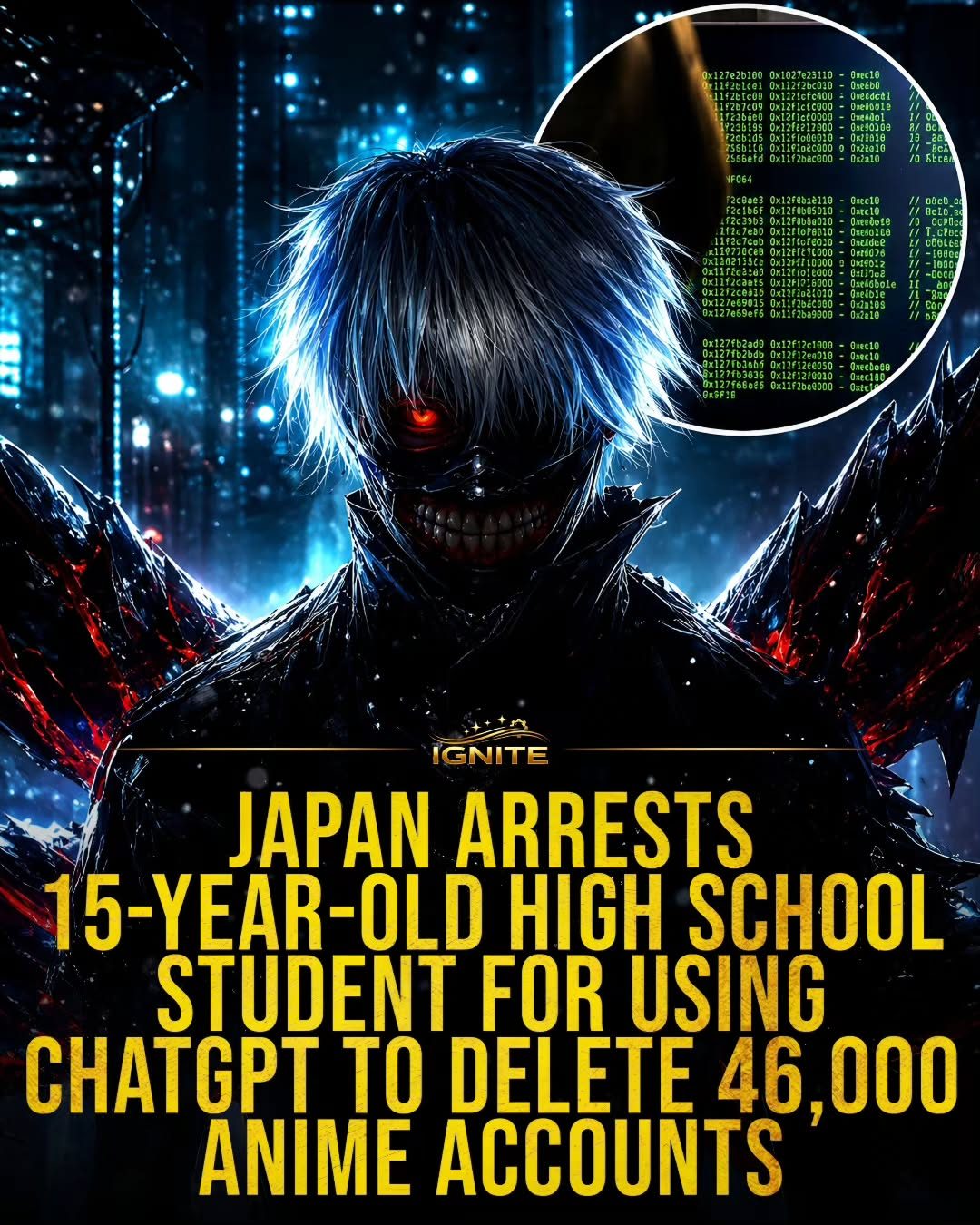
Understanding the Impact of AI Misuse: The Case of a Japanese Student and ChatGPT
The recent news about a 15-year-old high school student in Japan using ChatGPT to delete 46,000 anime accounts has sparked widespread attention for its implications on the misuse of AI technology. This incident highlights the potential risks and challenges that come with the advancement of AI.
Why This Matters
As AI technology becomes increasingly integrated into our daily lives, understanding its potential for misuse is crucial. The case of the Japanese student using ChatGPT underscores the importance of ethical considerations and regulatory frameworks to prevent such incidents. The misuse of AI can have significant impacts on various sectors, including social media, entertainment, and personal data security.
Key Points of the Incident
The Student and the AI Tool
The student in question, a 15-year-old high school student from Japan, reportedly used ChatGPT to delete 46,000 anime accounts. This action highlights the accessibility and power of AI tools, even to young individuals. The ease with which this task was allegedly carried out raises questions about the security measures in place for protecting digital accounts and data.
The Extent of the Damage
The deletion of 46,000 anime accounts is a significant number, indicating the potential scale of damage that can be caused by AI misuse. This incident serves as a wake-up call for platforms to implement stronger security protocols and for users to be more vigilant about their digital presence.
The Role of ChatGPT
ChatGPT, an advanced AI language model, has been used in various creative and productive ways since its release. However, this incident showcases its potential for misuse. The fact that a high school student could allegedly exploit the tool to delete a large number of accounts underscores the need for better safeguards and ethical guidelines in the use of AI.
Practical Tips for Protecting Against AI Misuse
Strengthen Account Security
Users should take proactive steps to secure their digital accounts. This includes using strong, unique passwords and enabling two-factor authentication whenever possible. Regularly reviewing account activity and setting up alerts for unusual activity can also help protect against unauthorized access.
Educate Users on AI Risks
Understanding the risks associated with AI is essential for users. Platforms and educational institutions should provide clear guidelines on the ethical use of AI and the potential consequences of misuse. This can help prevent similar incidents and foster a more responsible digital culture.
Implement Stronger Security Measures
Platforms should invest in robust security measures to protect user data. This includes regular updates and patches to address vulnerabilities, as well as advanced monitoring systems to detect and respond to suspicious activities.
Develop Ethical Guidelines
Establishing clear ethical guidelines for AI use can help mitigate the risks of misuse. These guidelines should be developed in collaboration with stakeholders, including users, developers, and regulators. They should address issues such as data privacy, accountability, and the responsible use of AI technologies.
Important Takeaways
The Need for Vigilance
The incident serves as a reminder of the need for vigilance in the use of AI. Users, platforms, and developers must work together to ensure that AI is used responsibly and ethically.
The Importance of Security
Strengthening security measures is crucial for protecting against AI misuse. This includes both technical safeguards and user education.
The Role of Ethical Guidelines
Developing and implementing ethical guidelines for AI use can help prevent misuse and promote a more responsible digital culture.
The Potential for AI Misuse
The incident highlights the potential for AI misuse, even by individuals with limited technical knowledge. This underscores the need for robust security measures and ethical guidelines.
Conclusion
The case of the Japanese student using ChatGPT to delete 46,000 anime accounts serves as a stark reminder of the potential risks associated with AI technology. By understanding these risks and taking proactive steps to mitigate them, we can ensure that AI is used responsibly and ethically, benefiting society while minimizing the potential for harm.
Watch the Reel
Questions readers ask
How did a 15-year-old student manage to delete 46,000 anime accounts using ChatGPT?
The student likely exploited ChatGPT's capabilities to generate convincing scripts or commands that, when executed, could delete the anime accounts in bulk. This highlights the need for better safeguards to prevent misuse of AI tools by minors.
What can be done to prevent similar incidents in the future?
Enhanced digital security measures and stricter ethical guidelines are crucial. This includes implementing age verification, monitoring for unusual activity, and developing AI systems that can recognize and prevent malicious use. Additionally, promoting AI literacy and ethical use in high schools can help.
Why is this incident significant beyond just the loss of anime accounts?
This incident underscores the broader implications of AI misuse. It serves as a wake-up call to the potential risks AI technologies pose when exploited, emphasizing the need for robust security protocols and ethical considerations in AI development and deployment.
What are the potential consequences of AI misuse by minors?
AI misuse by minors can lead to significant disruptions in various sectors, including entertainment and social media. It can also result in legal repercussions, damage to digital platforms, and a loss of trust in AI technologies. Additionally, it raises concerns about the safety and privacy of users.
How can parents and guardians help mitigate the risks of AI misuse by minors?
Parents and guardians can play a proactive role by staying informed about AI technologies, monitoring their children's online activities, and promoting responsible AI use. Open conversations about the ethical implications of AI can also help prevent misuse. Encouraging minors to use AI tools for beneficial purposes can foster a positive relationship with technology.
What role do schools play in preventing AI misuse by students?
Schools can integrate AI ethics and digital literacy into their curricula, teaching students about the responsible use of AI. This can help students understand the potential consequences of AI misuse and encourage them to engage with AI technologies in a positive and ethical manner.
What steps can AI developers take to minimize the risk of misuse by minors?
AI developers should incorporate robust security measures, such as age verification and activity monitoring, into their systems. They should also design AI tools with ethical considerations in mind, ensuring that they are used responsibly and that misuse is minimized. Regular updates and patches to address potential vulnerabilities are also essential.
Related deep dives
Similar reads based on topic and creator.




Recent articles
Fresh deep dives from the latest Reels we unpacked.




Comments
Be the first to comment.