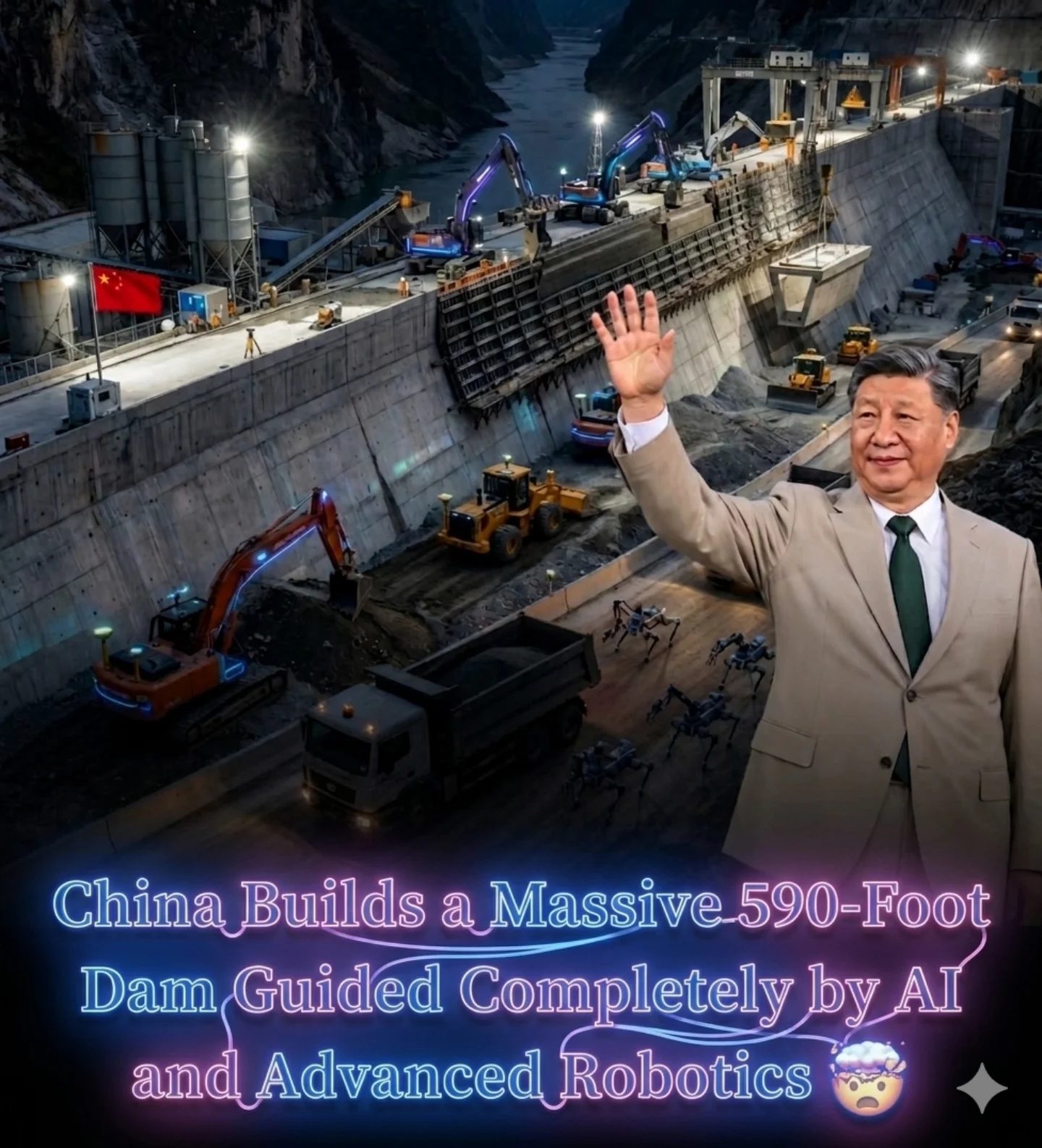
Artificial Intelligence in Large-Scale Infrastructure
Large-scale infrastructure projects, such as the construction of high-capacity dams, are increasingly relying on autonomous, AI-driven robotics. This shift is not just about efficiency; it’s a revolution in how we approach large-scale construction, particularly in high-risk environments. China is at the forefront of this transformation, utilizing advanced AI and robotics to build a massive 590-foot dam.
Context / Why this matters
The integration of AI and robotics in construction is more than a technological upgrade; it represents a fundamental shift in how we approach large-scale infrastructure projects. Historically, these projects have been labor-intensive and fraught with safety risks. By leveraging AI and robotics, construction can achieve unprecedented levels of precision, operational continuity, and safety.
International Attention and Innovation
China's deployment of these technologies has garnered international attention, highlighting the country's role as a global leader in industrial innovation. The use of AI-driven robotics in construction is setting new standards for efficiency and safety, and other countries are taking notice. This shift is not just about advancing technology; it’s about redefining the possibilities of what can be achieved in construction.
AI and Robotics in Large-Scale Construction
The construction of large-scale infrastructure, such as dams, traditionally involves significant risks, particularly in areas with challenging terrains and environmental conditions. AI and robotics are transforming these challenges into opportunities.
Enhanced Operational Efficiency and Safety
The integration of AI and robotics in dam construction offers several advantages:
- Increased Precision: AI-driven systems use real-time data processing to minimize structural deviations. This level of precision is crucial for the stability and longevity of large dams.
- Operational Continuity: AI and robotics enable 24/7 construction cycles, regardless of environmental conditions. This continuous operation significantly reduces project timelines and costs.
- Risk Mitigation: By taking over high-risk tasks, AI and robotics reduce human exposure to hazardous physical strain and industrial accidents. This not only improves safety but also ensures that construction can continue even in adverse conditions.
The Transition to Intelligent Manufacturing
The deployment of AI-driven robotics in construction represents a significant milestone beyond conventional automation. This transition towards intelligent manufacturing and engineering is reshaping the technical landscape of the world's most demanding sectors. The future of global mega-projects likely resides in a hybrid model: a sophisticated collaboration between human oversight and machine execution, rather than a total replacement of the workforce.
Real-World Applications and Success Stories
In China, the construction of a 590-foot dam using AI and robotics is a testament to this evolution. The project showcases the capabilities of advanced robotics and AI in navigating complex construction challenges. The use of these technologies ensures that the dam is built with exceptional precision, even in challenging topographical conditions.
Lessons for the Construction Industry
The success of AI-driven robotics in large-scale projects offers valuable lessons for the construction industry. Key takeaways include:
- Embracing AI for Safety and Efficiency: Leveraging AI for site analysis and task execution ensures that even the most complex tasks can be performed with precision and safety.
- Continuous Innovation for Enhanced Performance: The transition to intelligent manufacturing requires continuous innovation and adaptation, ensuring that construction practices evolve with technological advancements.
- Human Oversight and Machine Execution: A hybrid model that combines human oversight with machine execution ensures that projects benefit from the strengths of both human intelligence and technological precision. This approach also ensures that the workforce remains relevant in the face of technological advancements.
Practical Tips
For those looking to implement AI and robotics in large-scale construction projects, here are some practical tips:
- Invest in Comprehensive AI Systems: Ensure that your AI systems are capable of real-time data processing and can navigate complex construction challenges.
- Leverage Advanced Robotics: Utilize advanced robotics for tasks that are high-risk or require precision, ensuring that human personnel are not exposed to unnecessary dangers.
- Promote a Culture of Continuous Innovation: Foster a culture within your organization that values continuous improvement and innovation. This will ensure that your construction practices remain at the cutting edge of technology.
- Encourage Collaboration Between Human and Machine: Implement a hybrid model that combines human oversight with machine execution, ensuring that both human intelligence and technological precision are utilized to their fullest potential.
Important Takeaways
The integration of AI and robotics in large-scale infrastructure projects is a significant step forward for the construction industry. By leveraging these technologies, projects can achieve unprecedented levels of precision, operational continuity, and safety. The success of China's 590-foot dam project demonstrates the potential of AI and robotics in transforming construction practices.
Conclusion
The future of large-scale infrastructure projects lies in the seamless integration of AI and robotics. By embracing these technologies, the construction industry can overcome traditional challenges and achieve new levels of efficiency and safety. As AI and robotics continue to mature, their impact on the construction industry will only grow, setting new standards for how we approach large-scale projects. The transformation is already underway, and it promises a future where human intelligence and technological precision work together to build the infrastructure of tomorrow.
Watch the Reel
Questions readers ask
How does AI enhance the safety of dam construction?
AI improves safety by predicting potential hazards and allowing for preemptive measures. It can analyze vast amounts of data to identify risks that human workers might overlook, ensuring a safer work environment.
What role do robotics play in the construction of large-scale dams?
Robotics handle tasks that are dangerous or physically demanding for human workers, such as operating heavy machinery and performing high-precision tasks. This not only protects workers but also ensures greater consistency and accuracy in the construction process.
Why is China a leader in AI and robotics for dam construction?
China has invested heavily in technological innovation, particularly in AI and robotics, which allows for significant advancements in construction processes. The country’s focus on infrastructure development has driven the adoption of these technologies, setting new standards for global dam projects.
How does the use of AI and robotics improve the efficiency of dam construction?
AI-driven systems can manage complex logistics, optimize resource allocation, and streamline workflows, which reduces construction time and costs. Robotics can operate continuously without breaks, further boosting productivity.
What are some of the specific tasks that robotics perform in the construction of a 590-foot dam?
Robotics can perform tasks such as excavation, concrete pouring, and precise assembly. High-precision robotics are particularly useful for ensuring the structural integrity of the dam, which is crucial for a project of this scale.
What are the benefits of using AI and robotics in high-risk environments like dam construction?
In high-risk environments, AI and robotics can assess conditions in real-time, allowing for immediate adjustments to plans and operations. This capability reduces the likelihood of accidents and ensures that construction projects are completed on time and within budget.
Can AI and robotics be integrated into existing infrastructure projects, or are they only suitable for new projects?
AI and robotics can be integrated into both new and existing infrastructure projects. For new projects, they can be part of the initial planning and construction phases. For existing projects, these technologies can enhance maintenance and safety measures, ensuring long-term sustainability.
Related deep dives
Similar reads based on topic and creator.




Recent articles
Fresh deep dives from the latest Reels we unpacked.




Comments
Be the first to comment.