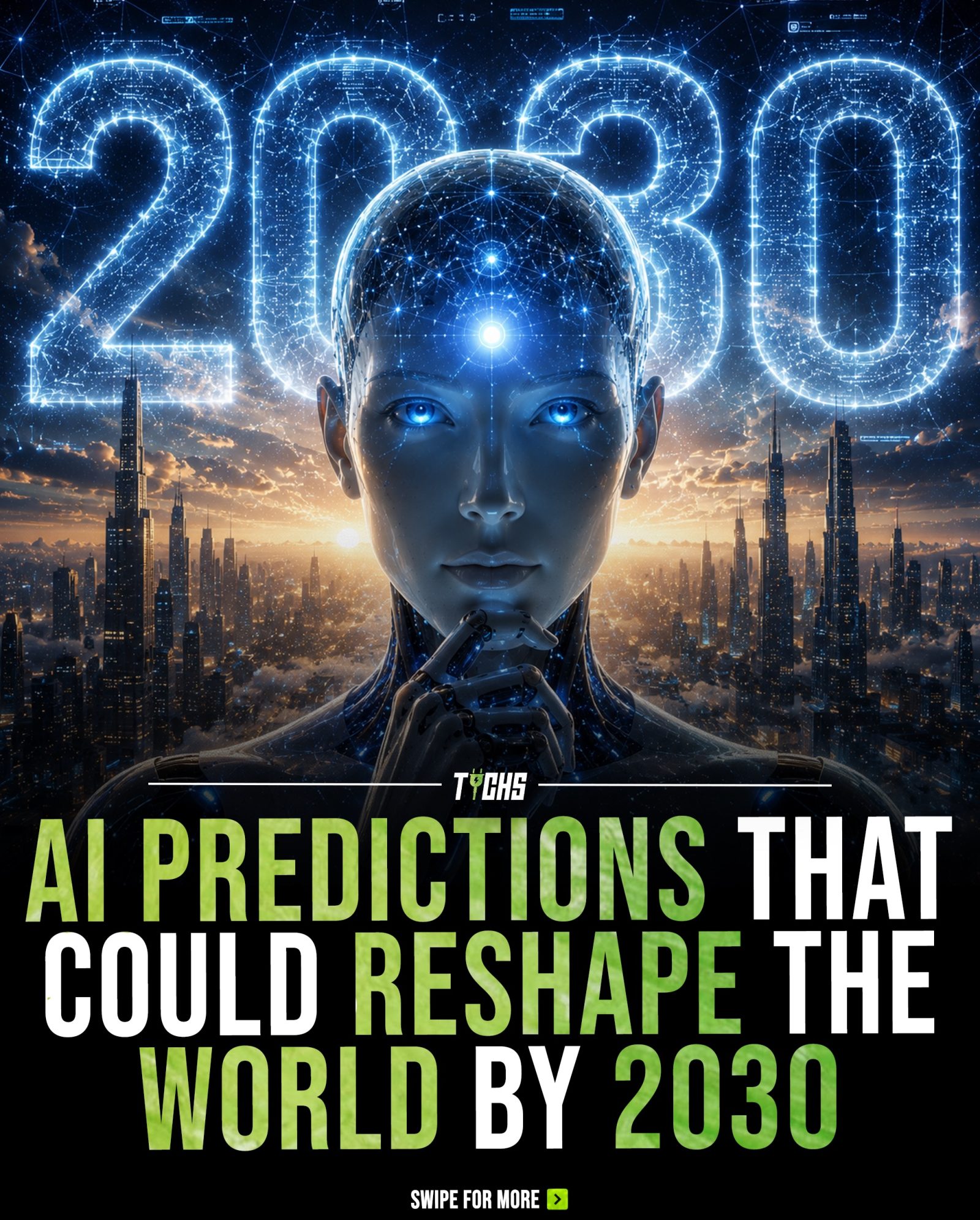
AI Predictions for 2030: Transforming Technology, Healthcare, and Society
The next decade holds significant promise for artificial intelligence (AI) breakthroughs that could reshape technology, healthcare, manufacturing, and even society itself. From AI companies expanding into life sciences to new manufacturing methods challenging today's chip industry, the pace of innovation is accelerating. These predictions offer a glimpse into how AI could transform the world by 2030, even if they are not yet confirmed outcomes.
Why This Matters
The potential advancements in AI over the next decade are not just about technological progress; they have far-reaching implications for various sectors. Understanding these predictions can help stakeholders prepare for the future, whether in technology development, healthcare innovation, manufacturing processes, or societal impact.
Main Discussion
AI in Life Sciences
One of the most exciting areas of AI expansion is life sciences. AI companies are increasingly venturing into this field, leveraging data and computational power to make groundbreaking discoveries. This could lead to personalized medicine, where treatments are tailored to individual genetic profiles, and faster drug development processes.
New Manufacturing Methods
The chip industry, currently dominated by companies like TSMC and ASML, could face significant disruption from new AI-driven manufacturing technologies. These advancements promise more efficient and scalable production methods, potentially reducing costs and increasing accessibility to advanced technology. This shift could also lead to new job opportunities in AI-driven manufacturing and reshape the global supply chain.
Brain-Computer Interfaces
Brain-computer interfaces (BCIs) represent another frontier in AI development. These interfaces could enable thought-based communication, transforming how individuals interact with technology. BCIs have the potential to revolutionize healthcare, especially for people with disabilities, by providing new ways to communicate and control devices.
Energy-Efficient AI Systems
Future AI systems are expected to deliver more intelligence while using far less energy. This focus on energy efficiency is crucial for sustainable technology development. As AI becomes more integrated into daily life, from smart homes to autonomous vehicles, the demand for energy-efficient systems will only grow. Advances in this area could lead to a more sustainable future, reducing the environmental impact of technology.
New Legal and Ethical Frameworks
As AI systems become more advanced, they may require new legal and ethical frameworks. Some researchers have already begun debating this, recognizing the need for guidelines to ensure that AI is developed and used responsibly. This includes addressing concerns about privacy, bias, and the potential misuse of AI technologies.
Practical Tips
Stay Informed
Keeping up with the latest developments in AI is essential for anyone working in related fields. Follow industry leaders, attend conferences, and engage with online communities to stay informed about the latest trends and innovations.
Invest in AI Education
Whether you are a student, professional, or business owner, investing in AI education can provide a competitive edge. There are numerous online courses, workshops, and certification programs available to help you build your skills and knowledge in AI.
Foster Innovation
Encourage a culture of innovation within your organization. This could involve supporting research and development, investing in startups, or creating partnerships with academic institutions. Innovation is key to driving progress in AI and staying ahead of the competition.
Engage with the Community
Participate in discussions and debates about the ethical and legal implications of AI. Engaging with the broader community can help shape the future of AI in a responsible and inclusive way.
Important Takeaways
The next decade is poised for significant AI breakthroughs that could transform multiple sectors, from healthcare to manufacturing. These advancements promise a more efficient, sustainable, and interconnected world. However, they also bring challenges that require careful consideration and responsible innovation.
Conclusion
The future of AI is both exciting and complex. By staying informed, investing in education, fostering innovation, and engaging with the community, we can navigate this rapidly evolving landscape and harness the full potential of AI by 2030.
Watch the Reel
Questions readers ask
What are some of the most significant AI predictions for 2030 in the technology sector?
By 2030, AI is anticipated to bring major shifts in technology, including advancements in AI-driven manufacturing, which could disrupt traditional methods used by companies like TSMC and ASML. Moreover, AI is expected to greatly enhance personalized medicine, streamline manufacturing processes, and push the boundaries of brain-computer interfaces.
How will AI impact the healthcare industry by 2030?
In healthcare, AI is poised to revolutionize personalized medicine, enabling tailored treatments based on individual patient data. This could lead to more effective and efficient healthcare solutions, improving patient outcomes and potentially reducing healthcare costs.
What role will AI play in the manufacturing industry by 2030?
AI-driven manufacturing is set to transform the industry by optimizing production processes, reducing waste, and increasing efficiency. This could significantly impact major players in the semiconductor industry, such as TSMC and ASML, driving innovation and competitiveness.
What are brain-computer interfaces and how might they develop by 2030?
Brain-computer interfaces (BCIs) are technologies that enable direct communication between the brain and external devices. By 2030, advancements in BCI could lead to breakthroughs in how we interact with technology, potentially revolutionizing fields like healthcare and entertainment.
How might AI advancements in manufacturing challenge current industry leaders, such as TSMC and ASML?
AI-driven manufacturing could challenge current industry leaders by introducing more efficient and cost-effective production methods. This could force traditional manufacturers to adapt and innovate to stay competitive, potentially leading to new industry standards and practices.
What are the potential benefits and challenges of AI advancements by 2030?
AI advancements by 2030 could bring numerous benefits, including improved healthcare outcomes, enhanced manufacturing efficiency, and innovative technological solutions. However, they also present challenges, such as job displacement due to automation and ethical concerns surrounding AI integration in society.
How might AI transform society by 2030, beyond technological and healthcare advancements?
Beyond technology and healthcare, AI is expected to influence society in profound ways, from redefining work dynamics to altering social interactions. AI could automate many jobs, leading to a shift in the workforce, and it could also enhance connectivity and communication, changing how people interact and live.
Related deep dives
Similar reads based on topic and creator.




Recent articles
Fresh deep dives from the latest Reels we unpacked.




Comments
Be the first to comment.