AI in Engineering Organizations: The Future of Management
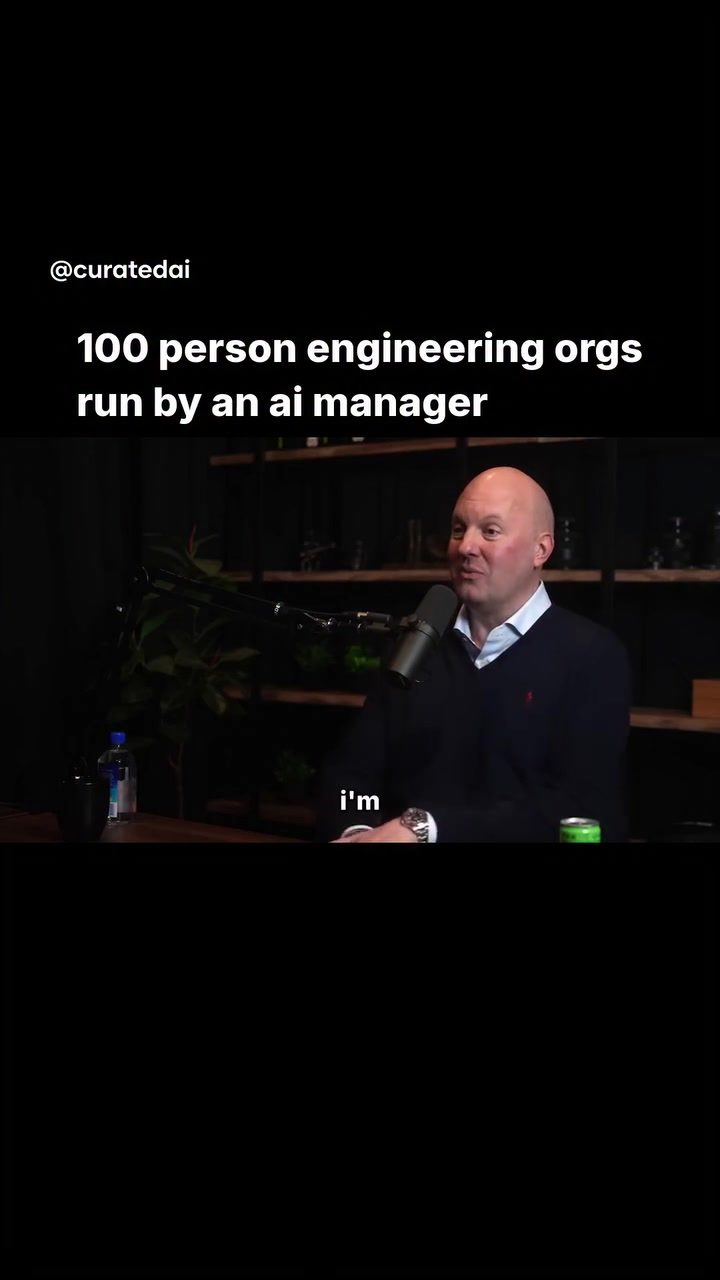
The integration of AI in engineering organizations is not just a futuristic concept; it's a rapidly approaching reality. Marc Andreessen, a prominent figure in the tech industry, discusses the potential of AI managing engineering teams on the Lex Fridman Podcast. This exploration delves into the nuances of AI leadership, the potential benefits, and the practical considerations for engineering organizations.
Context / Why This Matters
The tech industry is constantly evolving, and the role of AI in engineering organizations is a significant part of that evolution. As AI technology advances, there is growing interest in leveraging AI for management roles within engineering departments. This shift could redefine how organizations operate, potentially increasing efficiency and innovation.
Main Discussion
Traditional vs. AI-Driven Leadership
Traditionally, engineering organizations have been led by human executives with teams of human workers. This structure is changing with the advent of AI. One cliche thought experiment imagines a scenario where the human executive team oversees AI workers. For example, a VP of engineering might supervise 100 instances of coding agents. While this is a simplistic view, it highlights the potential for AI to take on more significant roles within engineering teams.
AI in Management Roles
The idea of AI managing human coders is more complex. AI, being process-driven, could excel in roles that involve performance evaluation and coaching. This could mean that an AI could oversee human coders, who in turn supervise AIs. This hierarchical structure could create a more efficient workplace, where AI handles the operational aspects and humans focus on creative problem-solving.
The Potential of AI Executive Teams
The concept of an AI executive team is intriguing. AI could potentially be better at managing teams due to its ability to process large amounts of data quickly and make data-driven decisions. This could lead to more efficient performance evaluations and coaching, which are critical for the success of any engineering organization. The idea is not to replace human leaders but to augment their capabilities with AI-driven insights.
Practical Considerations
While the potential benefits of AI in engineering management are clear, there are practical considerations to keep in mind. First, the integration of AI into management roles would require significant investment in technology and training. Second, there are ethical and organizational challenges to consider, such as the potential for job displacement and the need for clear communication and trust between AI and human team members.
Practical Tips
If you're considering integrating AI into your engineering management structure, here are some practical tips to get you started:
Start Small
Begin with small-scale pilot projects to understand how AI can best be integrated into your existing structure. This could involve using AI tools for specific tasks like performance evaluation or project management, rather than jumping straight into full-scale AI leadership.
Invest in Training
Ensure that your team is well-trained in working with AI tools. This includes not just technical training but also soft skills like communication and collaboration, which will be crucial for a hybrid AI-human team.
Foster a Culture of Trust
Building trust between AI and human team members is essential. This means clear communication about what AI can and cannot do, and how it will be used to support rather than replace human workers.
Monitor and Adapt
Regularly monitor the performance of AI tools and be prepared to adapt your approach based on feedback and results. AI technology is constantly evolving, so staying flexible will be key to long-term success.
Important Takeaways
- AI can play a significant role in engineering management. AI can handle operational aspects such as performance evaluation and coaching, freeing up human leaders to focus on strategic and creative tasks.
- Integration requires investment and training. Successfully integrating AI into your management structure will require significant investment in technology and training for your team.
- Trust and communication are key. Building a culture of trust between AI and human team members is crucial for the success of any AI-driven management approach.
Conclusion
The future of engineering organizations is likely to involve a significant role for AI. Whether it's AI managing teams of human coders or AI executive teams overseeing entire departments, the potential benefits are clear. However, the transition will require careful planning, investment, and a focus on building trust and communication. By taking a thoughtful and strategic approach, engineering organizations can harness the power of AI to drive innovation and efficiency.
Watch the Reel
Questions readers ask
How can AI improve efficiency in engineering workflows?
AI can analyze vast amounts of data to identify bottlenecks and optimize workflows. By predicting project timelines and resource allocation, AI can help engineering teams work more efficiently, reducing delays and enhancing productivity.
What role can AI executives play in managing human coders and AI agents?
AI executives can oversee the coordination between human coders and AI agents, ensuring seamless integration. They can delegate tasks based on individual strengths, monitor progress, and provide data-driven insights to enhance overall performance.
How does AI integration impact innovation in engineering teams?
AI can foster innovation by analyzing patterns and suggesting creative solutions that human engineers might overlook. By leveraging AI-generated insights, engineering teams can explore new approaches and develop more innovative products and processes.
What are the benefits of having AI agents in engineering teams?
AI agents can handle repetitive tasks, freeing up human coders to focus on more complex and creative work. They can also provide real-time assistance, ensuring that projects stay on track and that any issues are addressed promptly.
How does AI in engineering management differ from traditional management?
AI-led management relies on data-driven decision-making and automation, which can be more precise and less biased than traditional management. AI executives can process vast amounts of data in real-time, leading to faster and more accurate decisions.
What are the practical considerations for integrating AI into engineering management?
Organizations need to invest in robust AI infrastructure and ensure that their teams are well-trained to work alongside AI. Data security and ethical considerations are also crucial, as AI will handle sensitive information and make significant decisions.
How can an AI-led engineering team enhance creativity and innovation in engineering projects?
AI can generate new ideas, suggest improvements, and simplify testing processes, allowing teams to experiment more and fail fast. By providing a continuous flow of insights and suggestions, AI can stimulate creativity and drive innovation in the team.
Related deep dives
Similar reads based on topic and creator.




Recent articles
Fresh deep dives from the latest Reels we unpacked.




Comments
Be the first to comment.