AI and Human Interaction
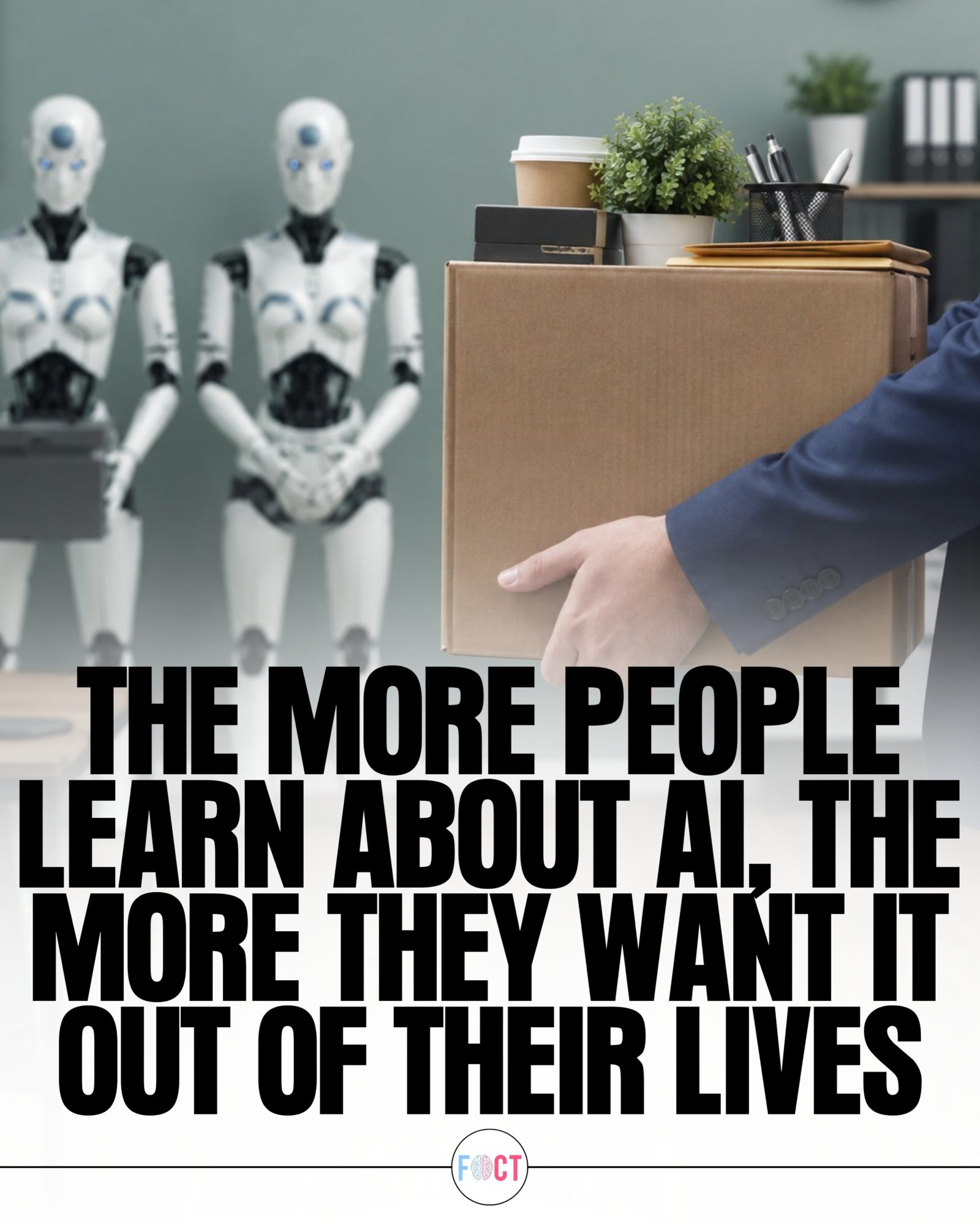
AI is increasingly intertwined with our daily lives, and as familiarity with it grows, so do the concerns about its impact on privacy, misinformation, employment, and personal autonomy. Recent survey data reveals a nuanced view of AI, where the benefits are acknowledged, but so are the risks, leading to calls for stronger oversight and regulation.
Context / Why This Matters
AI's integration into various sectors is undeniable. From healthcare to scientific research, AI enhances efficiency, accuracy, and accessibility. However, as people become more aware of AI's capabilities, they also become more cautious about its implications. Understanding the public's perspective on AI is crucial for policymakers, developers and users alike, as it shapes the future of AI deployment and regulation.
Main Discussion
AI's impact on daily life is multifaceted
Healthcare and Scientific Research
AI's benefits in healthcare and scientific research are widely acknowledged. AI can analyze vast amounts of data to identify patterns and make predictions that human researchers might miss. This capability is transforming how diseases are diagnosed, treated, and even prevented. In scientific research, AI accelerates the discovery process by simulating experiments and analyzing results more efficiently than traditional methods.
Employment and Personal Autonomy
Where AI is more contentious is in its role in hiring, surveillance, and replacing human decision-making. Automation and AI algorithms often lead to job displacement in sectors like manufacturing, retail, and customer service. This shift raises concerns about job security and the future of work. Furthermore, AI's ability to surveil and make decisions can infringe on personal autonomy. For instance, facial recognition technology can be used to track individuals without their consent, leading to privacy violations.
Education and Human Interaction
AI's role in education is equally complex. On one hand, AI can personalize learning experiences, making education more accessible and effective. On the other hand, there are concerns about over-reliance on AI, which could diminish the role of human educators and the social aspects of learning. The fear is that as AI becomes more integrated, it could lead to a society where human interaction is increasingly replaced by automated systems.
Privacy and Misinformation
One of the most pressing concerns with AI is its impact on privacy and the spread of misinformation. AI algorithms can analyze vast amounts of personal data, raising concerns about data security and privacy violations. Additionally, AI can be used to create deepfakes and spread misinformation, which can have serious societal implications. The public's growing awareness of these risks underscores the need for stricter regulation and oversight.
Public Perception and Regulation
The public's perception of AI is evolving. While there is a growing appreciation for its benefits, there is also a rising demand for regulation. People want to ensure that AI is used responsibly and ethically, with safeguards in place to protect their privacy and autonomy. This public sentiment is crucial for policymakers as they navigate the complexities of AI governance.
Practical Tips
Stay informed about AI developments and regulations. Keep an eye on the latest research and discussions on AI ethics and governance. Engage in conversations about AI and its impact on society, and share your concerns and ideas with policymakers.
Important Takeaways
AI's integration into daily life is inevitable, but it must be managed carefully. The benefits of AI are clear, but so are the risks. As AI becomes more prevalent, it is essential to strike a balance between innovation and regulation, ensuring that AI serves humanity without compromising privacy, autonomy, and human interaction.
Conclusion
AI is a double-edged sword. Its benefits are vast, but so are its potential drawbacks. Understanding public sentiment on AI is crucial for navigating its complexities. As AI continues to evolve, so must our approach to its governance and regulation. By staying informed, engaging in conversations, and advocating for responsible AI use, we can ensure that AI serves humanity in the best possible way.
Watch the Reel
Related deep dives
Similar reads based on topic and creator.




Recent articles
Fresh deep dives from the latest Reels we unpacked.




Comments
Be the first to comment.