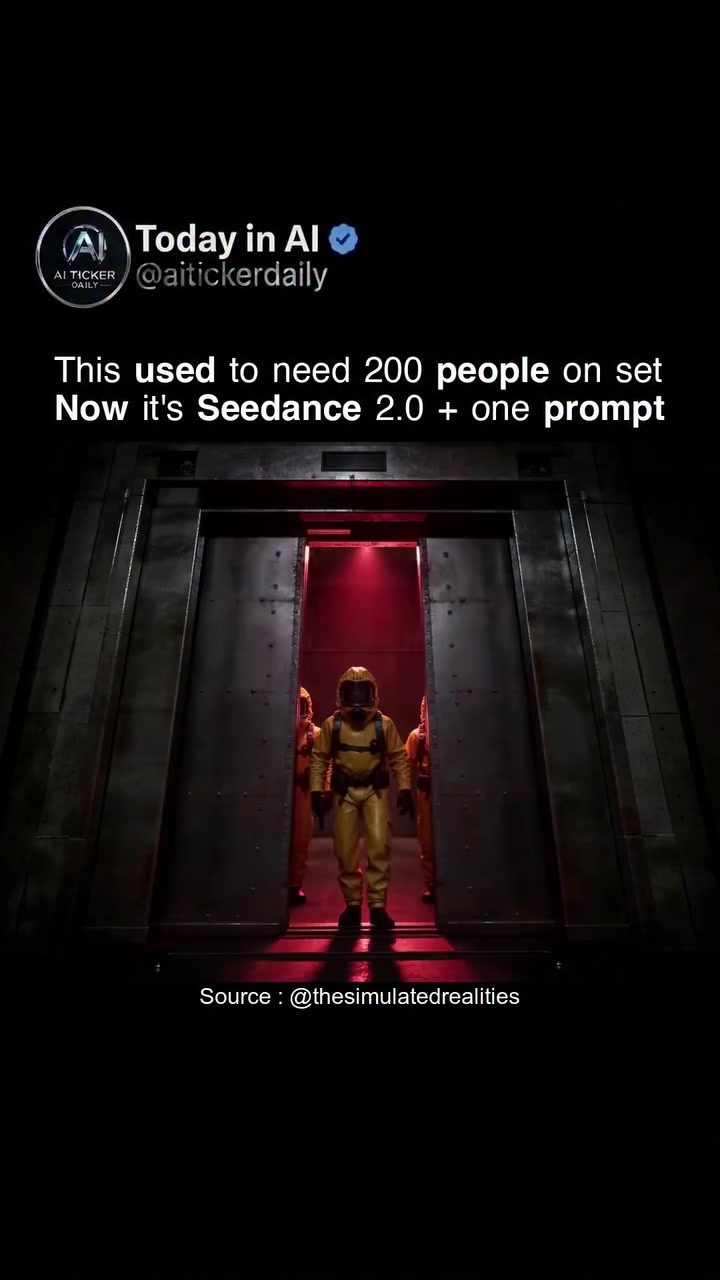
AI image generation is revolutionizing the world of filmmaking and digital art. This technology allows creators to generate entire scenes with a single prompt, transforming how digital content is produced. This leap in technology is exemplified by tools like Seedance 2.0, which can direct motion, camera angles, lighting, and sound all from a single input. The implications are vast, particularly for those who understand how to precisely describe a scene.
Why this matters
The ability to create complex scenes with minimal resources marks a significant shift in the industry. Traditionally, producing a cinematic shot required a large crew, extensive pre-production, and significant budgets. With AI, a single person armed with a detailed prompt can achieve similar results, potentially redefining the role of a filmmaker to involve more technology and creativity, and less manpower.
The Evolution of AI Image Generation
The Traditional Approach
Historically, creating a high-quality shot involved a massive team. imagine a brutalist chamber, complete with a red corridor, a figure standing in flames, and an eerie ambient hum. This would require a set designer, lighting crew, camera operator, and post-production team. The complexity and cost escalated with each element added. This approach, while detailed, was time-consuming and resource-intensive.
Enter AI
AI image generation, specifically with tools like Seedance 2.0, changes the landscape. Instead of orchestrating a large crew, a creator can input a detailed prompt into Claude 4.7 and run it through GPT Image 2.0 to generate a keyframe. This keyframe is then fed into Seedance 2.0, which handles the motion, camera direction, lighting, and sound. The result is a cinematic shot generated in a single pass, without the need for physical sets, cameras, or extensive teams.
How AI Image Generation Works
The Prompt
The detailed master prompt is the cornerstone of this process. It must be precise, describing every element of the scene down to the smallest detail. This includes the environment, characters, lighting, and even ambient sounds. The prompt is the blueprint that the AI uses to generate the scene.
The Tools
Several AI models work together to bring the scene to life. Claude 4.7 handles the initial text input and detailed prompting. GPT Image 2.0 generates the keyframe, a static image that captures the essence of the scene. This keyframe is then passed to Seedance 2.0, which directs the motion, camera angles, lighting, and sound, transforming the static image into a dynamic, cinematic shot.
Practical Tips
For those looking to dive into AI image generation, here are some practical tips to get started:
Mastering the Prompt
The quality of the generated scene heavily depends on the prompt. Spend time crafting a detailed and precise description. The more specific, the better. Consider every element, from the background to the smallest details in the foreground.
Experiment with Different Tools
Different AI models excel in different areas. Experiment with various combinations to find what works best for your project. Seedance 2.0 is a powerful tool, but there are others that might offer unique advantages depending on the scene you want to create.
Iterate and Refine
While AI can generate impressive results from a single prompt, don't be afraid to iterate and refine. Sometimes, the first pass won't capture the exact vision. Use the initial output as a foundation and tweak the prompt or AI settings to get closer to the desired outcome.
Stay Updated
AI technology is rapidly advancing. Stay updated with the latest tools and techniques. Follow industry leaders and communities to keep abreast of the newest developments in AI image generation.
Important Takeaways
AI image generation is not just a trend; it's a paradigm shift. It offers unparalleled efficiency and creativity, allowing individuals to produce high-quality content with minimal resources. The ability to generate entire scenes from a single prompt revolutionizes the filmmaking and digital art industries, making it accessible to a broader range of creators. As AI continues to evolve, the possibilities are endless, and those who master this technology will be at the forefront of this new creative landscape.
Conclusion
The advent of AI image generation marks a transformative moment in digital content creation. With tools like Seedance 2.0, the traditional model of filmmaking is being redefined. Creators now have the power to generate intricate, cinematic scenes from a single prompt, reducing the need for large crews and extensive resources.
This technology not only streamlines the production process but also opens up new avenues for creativity. It allows individuals with a vision and a laptop to produce high-quality content, democratizing the filmmaking industry. As AI continues to advance, the possibilities for what can be created are boundless. Embrace this new era of creativity and explore the potential of AI image generation.
Watch the Reel
Questions readers ask
How does Seedance 2.0 simplify the filmmaking process?
Seedance 2.0 employs AI to generate entire scenes using a single prompt, simplifying the process by allowing creators to specify motion, camera angles, lighting, and sound, all at once. This reduces the need for multiple steps and extensive resources.
Can Seedance 2.0 replace a large film crew?
While Seedance 2.0 reduces the need for a large crew by handling various aspects of film production, it is more accurate to say that it complements traditional filmmaking. It can generate complex scenes with minimal human input, but collaboration with professionals may still be necessary for high-quality results.
What kind of input is required for Seedance 2.0 to generate a scene?
Seedance 2.0 relies on detailed, precise prompts to generate scenes. These prompts should include specific descriptions of the desired motion, camera angles, lighting, and sound to ensure the AI can accurately create the desired content.
How does AI image generation impact the film set?
AI image generation tools like Seedance 2.0 can reduce the physical resources needed on a film set by generating scenes digitally. This can lower costs and streamline production, as fewer crew members and equipment may be required for certain tasks.
Can Seedance 2.0 generate sound alongside visuals?
Yes, Seedance 2.0 is designed to handle multiple aspects of scene creation, including sound. By providing a single prompt, users can direct the AI to generate both visual and audio elements, creating a more immersive and cohesive scene.
What are the potential cost savings with AI tools like Seedance 2.0?
AI tools like Seedance 2.0 can lead to significant cost savings by reducing the need for large crews, extensive pre-production, and expensive equipment. The ability to generate scenes with minimal resources can lower overall production budgets.
Related deep dives
Similar reads based on topic and creator.

Recent articles
Fresh deep dives from the latest Reels we unpacked.




Comments
Be the first to comment.