Edible Stadium Cups
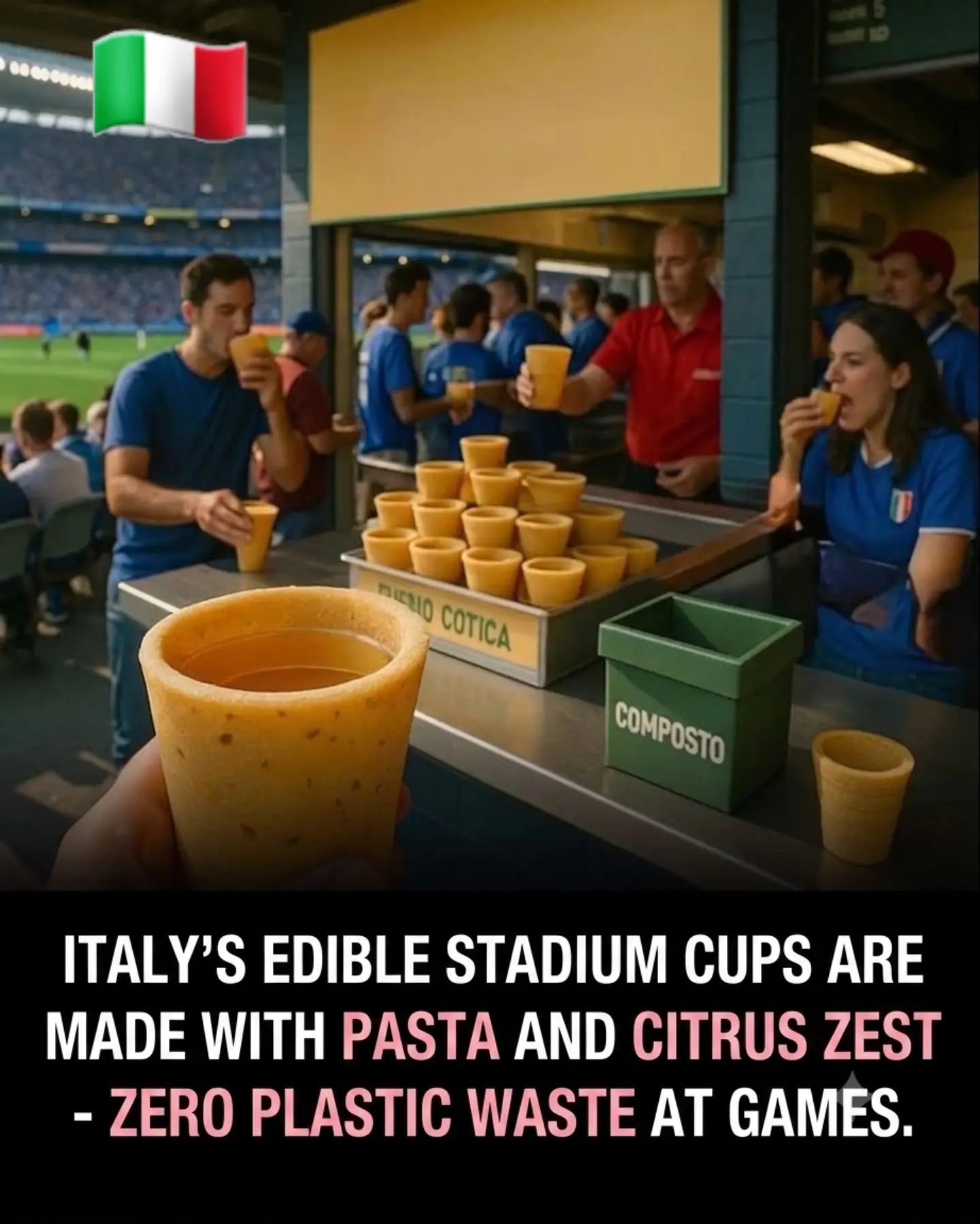
While the concept of zero-waste stadium packaging is fascinating, it's important to clarify that the idea of stadium cups made from pasta and citrus zest is currently a hypothetical concept. The image showcasing this innovative concept is an AI-generated graphic, featuring elements like distorted background anatomy and nonsensical text like "FIENIO COTICA," indicating it is not a real, active program in Italy.
Context / Why this matters
The introduction of edible cups at stadiums represents a significant step towards reducing plastic waste at sporting events. The zero-waste initiative is a growing trend among stadiums globally, as there is a strong push for sustainability and environmental conservation in public venues.
Depending on the materials used, edible cups could offer a range of benefits, including:
- Reducing Plastic Waste: Plastic cups are a major source of waste at sporting events. Edible cups would eliminate the need for traditional plastic cups, reducing the amount of non-biodegradable waste that ends up in landfills.
- Promoting Sustainability: By adopting edible cups, stadiums can demonstrate their commitment to sustainability and environmental responsibility. This can enhance their public image and foster goodwill among environmentally conscious fans.
- Providing a Unique Experience: Edible cups offer a novel and engaging experience for fans, making their visit to the stadium more memorable.
At present, various sustainable startups globally are actively developing edible drinkware made from natural grains, wafers, or seaweed to combat plastic pollution. These innovations could potentially be adapted for use in stadiums, though pasta and lemon zest stadium cups are not yet reality.
Main discussion
The Compelling Concept
The notion of edible stadium cups captures the imagination with its potential to eliminate plastic waste. These cups, as envisioned, are made from a waffle-like material, possibly incorporating pasta and citrus zest, creating a unique texture and flavor. The concept is visually intriguing, with cups neatly arranged on a table, filled with a refreshing yellow liquid. The stadium setting in the background emphasizes the potential real-world application of this innovation.
The Zero-Waste Initiative
The zero-waste initiative is about more than just getting rid of plastic cups. It encompasses a broader effort to minimize waste and promote sustainability. This includes recycling programs, composting, and using reusable or biodegradable materials. The edible cup initiative would be a significant part of this broader strategy, focusing specifically on reducing the use of single-use plastics.
Potential Challenges
While the idea of edible stadium cups is appealing, there are several challenges to consider:
- Durability and Practicality: Edible cups need to be durable enough to hold liquids without leaking or breaking. They also need to be practical for use in a busy stadium environment, where quick and easy access to refreshments is essential.
- Taste and Texture: The taste and texture of the cups are important factors. Fans may be reluctant to consume cups that do not taste good or have an unpleasant texture.
- Cost and Scalability: The cost of producing edible cups could be higher than traditional plastic cups. Additionally, scaling up production to meet the demands of large stadiums could be a challenge.
Innovations in Edible Drinkware
Several companies are already exploring the realm of edible drinkware. Some key developments include:
- Wafer Cups: Some companies have developed edible cups made from wafer. These cups are designed to be durable and tasty, offering a unique experience for consumers.
- Seaweed Cups: Seaweed is another material being explored for edible drinkware. These cups are not only sustainable but also biodegradable, making them an eco-friendly alternative to plastic.
- Natural Grain Cups: Edible cups made from natural grains provide another sustainable option. These cups are often flavored and can be customized to suit different tastes and preferences.
Practical tips
If you are considering introducing edible cups at your venue, here are some practical tips to help you get started:
- Research and Development: Invest in research and development to find the right materials and recipes for your edible cups. Consider partnering with companies that specialize in edible drinkware.
- Pilot Programs: Start with a pilot program to test the feasibility and popularity of edible cups. Gather feedback from fans to make improvements before rolling out a full-scale initiative.
- Marketing and Promotion: Promote your zero-waste initiative to create awareness and generate excitement. Use social media, in-stadium announcements, and other marketing channels to highlight the benefits of edible cups.
- Engage with Fans: Engage with your fans to understand their preferences and concerns. Use their feedback to improve the quality and taste of your edible cups.
- Evaluate and Adapt: Continuously evaluate your initiative and make necessary adjustments. Adapt to new findings and trends in sustainable packaging and edible drinkware.
Important takeaways
While the concept of edible stadium cups made from pasta and citrus zest is an exciting idea, it is important to recognize that it is currently a hypothetical concept. However, the broader initiative of reducing plastic waste in stadiums is a real and important goal. There are already several sustainable innovations in edible drinkware that could be adapted for use in stadiums. These include wafer cups, seaweed cups, and natural grain cups, all of which offer eco-friendly alternatives to traditional plastic cups.
Conclusion
The concept of edible stadium cups is a fascinating and innovative idea that could significantly reduce plastic waste at sporting events. By embracing this initiative, stadiums can demonstrate their commitment to sustainability and offer a unique experience for fans. While the pasta and lemon zest cups are not yet a reality, the development of edible drinkware made from natural grains, wafers, or seaweed is a growing trend. This trend represents a significant step towards a more sustainable future for stadiums and sporting events. By investing in research, pilot programs, and continuous evaluation, stadiums can successfully implement zero-waste initiatives and contribute to a greener, more sustainable world.
Watch the Reel
Questions readers ask
What are AI-generated edible cups and why are they significant?
AI-generated edible cups are a hypothetical concept designed to reduce plastic waste at sporting events. In this scenario, cups made from pasta and citrus zest would be consumed by fans after use, eliminating the need for traditional plastic cups. The significance lies in their potential to promote sustainability and offer a unique, eco-friendly experience.
Why is the concept of edible cups in Italy considered a hypothetical solution?
The concept of edible cups in Italy is considered hypothetical because it is an AI-generated idea. It is not yet a real, active program. Thus, while the concept is imaginative and serves as an inspiration for sustainable practices, it is not currently being implemented.
How do edible cups contribute to zero-waste initiatives?
Edible cups contribute to zero-waste initiatives by eliminating the need for traditional plastic cups. When fans consume the cups, there is no waste left behind, making it a zero-waste solution that contributes to sustainability. At the same time, it makes sure that fans not only enjoy their drinks but also have a delightful snack.
What are the potential benefits of using edible cups at sporting events?
The potential benefits include significant reduction in plastic waste, promotion of sustainability, and providing fans with a unique and eco-friendly experience. Additionally, edible cups could potentially enhance the fan experience by offering a tasty treat along with their beverage.
What materials are used to create the AI-generated edible cups?
The AI-generated edible cups are conceptualized to be made from pasta and citrus zest. These materials are chosen for their edibility and potential to create a functional, sustainable cup that can be enjoyed by fans after use.
How does the introduction of edible cups align with global trends in stadium sustainability?
The introduction of edible cups aligns with the global trend of zero-waste initiatives in stadiums. As there is a strong push for sustainability and environmental conservation in public venues, edible cups represent a innovative step towards reducing plastic waste and promoting eco-friendly practices at sporting events.
What does the distorted background anatomy and nonsensical text in the AI-generated image signify?
The distorted background anatomy and nonsensical text, such as 'FIENIO COTICA,' in the AI-generated image are indicators that the concept is not real. These elements are often included in AI-generated graphics to signify that the image is a creation and not a representation of an actual, implemented program. Therefore, the image should be viewed as a creative idea rather than a real-world solution.
Related deep dives
Similar reads based on topic and creator.


Recent articles
Fresh deep dives from the latest Reels we unpacked.




Comments
Be the first to comment.