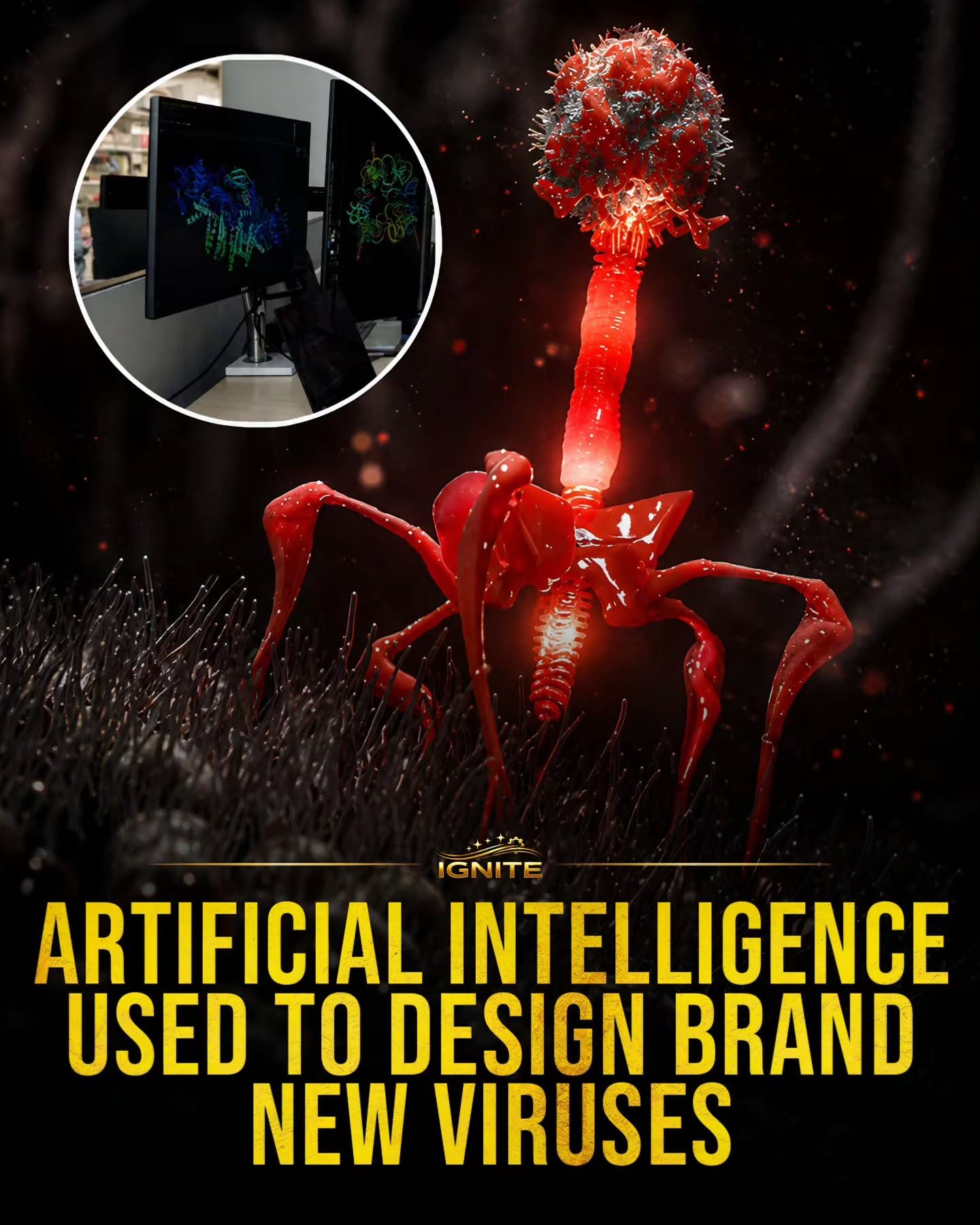
AI in Virus Design
AI has achieved a remarkable feat in biology: designing entirely new viruses with functional genomes. This breakthrough, highlighted by IGNITE, represents the first instance of AI being used to create entire viral genomes from scratch. The 16 newly designed viruses are engineered to infect bacteria and pose no threat to humans. However, the rapid development of AI-designed viruses raises significant safety and biosecurity concerns.
Context: Why This Matters
The ability to design new viruses using AI opens up a world of possibilities in disease research and treatment. However, it also presents serious ethical and safety challenges. Understanding the implications of this technology is crucial for navigating its potential benefits and risks.
The Science Behind AI-Designed Viruses
AI has long been used in various fields, but its application in biology, particularly in designing viral genomes, is groundbreaking. The process involves using complex algorithms to generate new genetic sequences that can replicate and infect host cells. The 16 newly designed viruses are a testament to the power of AI in biology.
Safety and Biosecurity Concerns
While the viruses created by IGNITE are designed to infect bacteria and are not harmful to humans, the technology raises serious safety concerns. The rapid development of AI-designed pathogens could potentially lead to unintended consequences if not properly regulated. Experts warn that strict safety measures and guidelines are essential to prevent misuse and ensure public safety.
Potential Applications in Disease Research and Treatment
The breakthrough in AI-designed viruses could pave the way for new advancements in disease research and treatment. By creating functional viruses, researchers can study how these pathogens interact with host cells, leading to the development of more effective treatments and vaccines. This could be particularly useful in combating antibiotic-resistant bacteria and other emerging diseases.
Main Discussion
The Role of AI in Biology
AI's role in biology extends beyond virus design. It is already being explored for designing new antibiotics, a far more complex challenge. The ability to create functional viruses using AI demonstrates the technology's potential to revolutionize the field of biology.
The Ethical Implications of AI-Designed Viruses
The creation of AI-designed viruses raises important ethical questions. While the technology has the potential to advance disease research and treatment, it also poses significant risks. The ethical implications of using AI to design pathogens must be carefully considered, and guidelines must be established to ensure responsible use.
Practical Tips for Researchers and Regulators
Ensuring Safety and Security
For researchers and regulators, ensuring the safety and security of AI-designed viruses is paramount. This involves implementing strict safety protocols, conducting thorough risk assessments, and establishing guidelines for ethical use. By taking these steps, researchers can harness the power of AI in biology while minimizing potential risks.
Establishing Ethical Guidelines
Establishing ethical guidelines for the use of AI in biology is crucial. These guidelines should address issues such as responsible use, transparency, and accountability. Researchers and regulators must work together to develop and enforce these guidelines, ensuring that the technology is used for the benefit of humanity.
Important Takeaways
- AI has achieved a major milestone in biology by designing entirely new viruses with functional genomes.
- The 16 newly designed viruses are engineered to infect bacteria and pose no threat to humans.
- The rapid development of AI-designed viruses raises serious safety and biosecurity concerns.
- The breakthrough in AI-designed viruses could pave the way for new advancements in disease research and treatment.
- Ethical guidelines and safety measures are essential for responsible use of AI in biology.
Conclusion
AI's ability to design new viruses represents a significant milestone in biology, with both potential benefits and risks. By understanding the implications of this technology and implementing appropriate safety measures, researchers and regulators can harness its power for the benefit of humanity.
Watch the Reel
Questions readers ask
What are AI designed viruses, and how are they created?
AI designed viruses are synthetic viruses created using artificial intelligence. AI algorithms generate the viral genomes from scratch, ensuring they can infect specific hosts, such as bacteria, while posing no threat to humans. This process involves complex computations and biological data analysis to design functional viral genomes.
Why is the creation of AI designed viruses significant in biology?
The creation of AI designed viruses signifies a major advancement in biology, as it allows for the development of new tools for disease research and treatment. These synthetic viruses can help scientists study bacterial infections, develop antimicrobial therapies, and gain insights into viral behavior in a controlled, safe environment.
What are the potential benefits of AI designed viruses in disease research?
AI designed viruses can revolutionize disease research by providing new avenues for studying bacterial infections and developing targeted treatments. They can be used to create vaccines, antimicrobial agents, and diagnostic tools, ultimately contributing to more effective strategies against infectious diseases. These viruses can also help researchers understand viral evolution and host-pathogen interactions.
What safety measures are in place to address concerns about AI designed viruses?
While AI designed viruses are created to be safe, several safety measures are implemented. These include rigorous testing, containment protocols, and ethical guidelines. Researchers must ensure that these viruses cannot infect humans or cause environmental harm. Additionally, transparency and collaboration with regulatory bodies are essential to mitigate potential risks.
What ethical issues arise from the creation of AI designed viruses?
The creation of AI designed viruses raises ethical concerns, including the potential misuse of such technology, the accidental release of harmful viruses, and the impact on public perception of AI and biology. It is crucial to establish clear ethical guidelines, promote transparency, and foster open dialogue among scientists, policymakers, and the public to address these challenges.
How do AI designed viruses differ from natural viruses?
AI designed viruses are created de novo using advanced algorithms, while natural viruses evolve over time through biological processes. AI viruses are engineered to have specific characteristics, such as the ability to infect certain bacteria without posing a threat to humans. This control allows for more precise and targeted applications in research and treatment.
What steps are being taken to ensure the responsible use of AI in virus design?
To ensure the responsible use of AI in virus design, researchers are focusing on developing stringent safety protocols, ethical guidelines, and regulatory frameworks. Collaboration between scientists, policymakers, and other stakeholders is key to addressing potential risks and maximizing the benefits of this technology. Additionally, public awareness and engagement are crucial for fostering trust and transparency in the field.
Related deep dives
Similar reads based on topic and creator.




Recent articles
Fresh deep dives from the latest Reels we unpacked.




Comments
Be the first to comment.