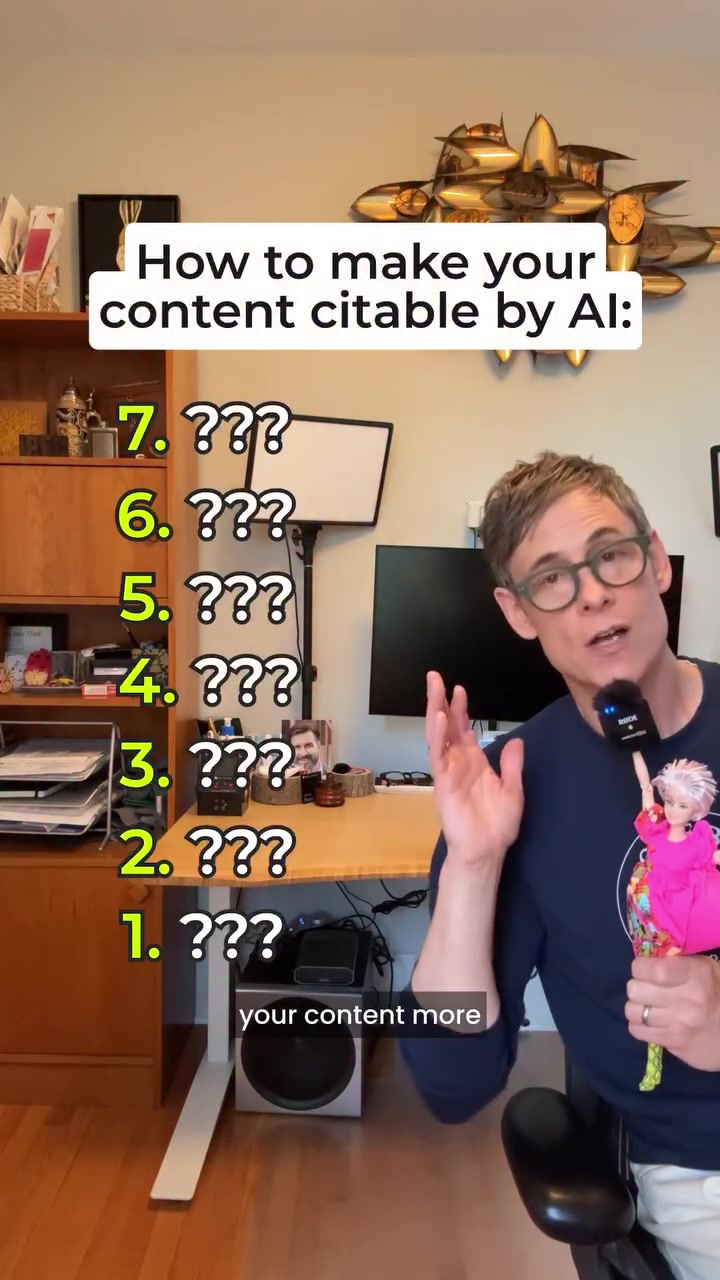
The Anatomy of AI-friendly Content
Crafting content that AI can easily understand and cite is both an art and a science. AI tools like Meltwater analyzed 9.5 million citations across six different platforms and found common traits in frequently cited articles. The common denominator was structured and clear content. Content optimized for AI citations relies on several key elements to ensure clarity, structured data, and easy extraction. When done well, it becomes a potent tool for increasing visibility and credibility. It's about more than just SEO; it's about making your work legible to the machines that increasingly mediate discovery.
The Mechanics of AI Citability
AI-friendly content is built on principles of clarity and structure. The goal is to make information easily digestible for both human readers and AI algorithms. This involves using clear section headings, numbered lists, and specific data points. Each of these elements plays a crucial role in making content more citable. A well-structured piece clearly defines its purpose from the outset. Every section heading and subheading is a signpost. AI algorithms rely on these markers. A lack might leave AI spinning its wheels. This clear structure not only aids AI but enhances user experience. A reader can quickly locate specific data without sifting through extraneous details. It's a symbiotic relationship that boosts both readability and searchability. AI systems look for integrity in content. Numbered lists and bullet points. These signals tell AI that content is organized and easy for humans to evaluate and for machines to extract data from. The top cited LinkedIn articles consistently use these formats to aid both readers and algorithms.
Structural Elements to Enhance Citability
Year in the Title: Anchoring Content in Time
One of the most effective ways to make your content more citable by AI is to include the year in the title. This temporal anchor can help AI identify the relevance and timely applications of your content. Additionally, it helps readers quickly assess the currency of the data. The simple addition of a year in the title narrows the context. For instance, Top Content Creation Trends in 2023 vs. Top Content Trends in 2021. The former immediately signals that the content is up-to-date. AI systems are better equipped to categorize and retrieve this information.
Hard Data: The Power of Numbers
When you want your content to be cited by AI, use hard numbers and data. Specific numerical details paint a clear picture. The role of data in making content AI-friendly can't be overstated. Detailed statistics make your work more credible and easier to refer to. AI systems thrive on quantitative data. It's something they can process and index with greater precision. When presenting data, be sure it's relevant and specific. For instance, "80% of marketers" is more actionable than "most marketers". It's a quantifiable detail that AI can ingest and that readers can cite.
How-to Sections and Comparisons
Including a how-to choose section and a comparison can make your content more valuable. These sections give readers a clear roadmap to follow and a reference point to compare with other content. It is strategic to make these sections stand out. Use clear headings and structured formatting. A how-to section can provide actionable steps, simplifying complex ideas. A comparison can show the cost, benefits, or trade-offs. When framed well, these sections become go-to resources for AI and humans.
Writing for AI and Human Readers
Name Specific Companies and Tools
It’s crucial to name specific companies and tools when possible. This specificity can make your content more reliable. Mentioning well-known brands and tools adds weight to your content. It can make your work the go-to reference on these subjects. For example, citing 'Hootsuite' or 'Meltwater' establishes immediate credibility. It shows you're referencing trusted, often-used tools.
Clear Section Headings
Clear section headings are essential for navigating content. They help AI extract specific information. Use clear, concise headings and avoid ambiguity. AI systems rely on these markers to categorize content properly. Each heading should be unique and descriptive. For instance, headings like "AI Content Creation Tips" or "Hard Data Use in Content" provide immediate context. Good section headings enhance readability and provide quick reference points for both humans and AI.
Avoiding Redundancies and Repetitions
A well-crafted piece of AI-friendly content should avoid redundancy and repetition. Bulleted lists and numbered items ensure clarity and conciseness. Repetition can confuse AI systems and dilute the impact of your message. Each point should be distinct and add value. Items like Investing in Content Creation Tools and When to Use a Content Calendar should be distinct and separate. There should be no overlap between concepts.
Concrete Practices
- Use Bulleted Lists and Numbered Items: Bulleted lists and numbered items enhance the legibility, structure, and readability of your text. Meltwater found that content that stands out uses these techniques to make information easier to absorb.
- Structure Your Content: Organize content into distinct sections with clear headings. This makes it easier for both AI and humans to navigate.
- Include Specific Data: Use hard numbers, statistics, and specific data points. Quantitative data offers more significant value in enhancing citation.
- Add a Year to Your Title: Time-stamp your content to add relevance and context.
- Name Specific Companies and Tools: Include pertinent companies and tools to increase the credibility of your content.
Watch the Reel
Questions readers ask
How do AI tools like Meltwater determine what makes content more citable?
Meltwater and similar AI tools analyze vast amounts of data to identify patterns in frequently cited content. They look for structured, clear content with elements like section headings, numbered lists, and specific data points. These traits make information easily digestible for both humans and AI algorithms.
What are some practical ways to make my content more AI-friendly?
To make your content more AI-friendly, use clear section headings, numbered lists, and specific data points. Include the year in your title to anchor your content in time, and use hard numbers and data to make your points more credible. Structuring your content this way enhances both readability and searchability.
Why is including the year in the title important for AI citability?
Including the year in the title helps AI systems identify the relevance and timeliness of your content. It acts as a temporal anchor, making it easier for AI to categorize and retrieve your information. For example, a title like 'Top Content Creation Trends in 2023' immediately signals that the content is up-to-date.
How does using hard data and numbers improve AI citability?
Hard numbers and specific data points make your content more credible and easier for AI to process and index. AI systems thrive on quantitative data, so providing detailed statistics can enhance your content's visibility. For instance, saying '80% of marketers' is more actionable and citable than 'most marketers'.
Can adding how-to sections and comparisons really boost my content's AI citability?
Yes, including how-to sections and comparisons can make your content more valuable and citable. These sections provide clear roadmaps and actionable insights, making your content more useful for readers and easier for AI to understand and reference.
Is it possible to optimize content for AI citations without compromising readability for human readers?
Absolutely. Structured and clear content benefits both AI algorithms and human readers. Using clear section headings, numbered lists, and specific data points enhances both readability and searchability. It creates a symbiotic relationship where the content is more accessible and valuable to everyone.
How does Meltwater’s analysis of 9.5 million citations inform content creation strategies?
Meltwater’s analysis highlights the importance of structured and clear content. By identifying common traits in frequently cited articles, it provides insights into what makes content more citable. This information can guide content creators to structure their work in a way that enhances visibility and credibility, not just for SEO but for AI algorithms as well.
Related deep dives
Similar reads based on topic and creator.



Recent articles
Fresh deep dives from the latest Reels we unpacked.




Comments
Be the first to comment.