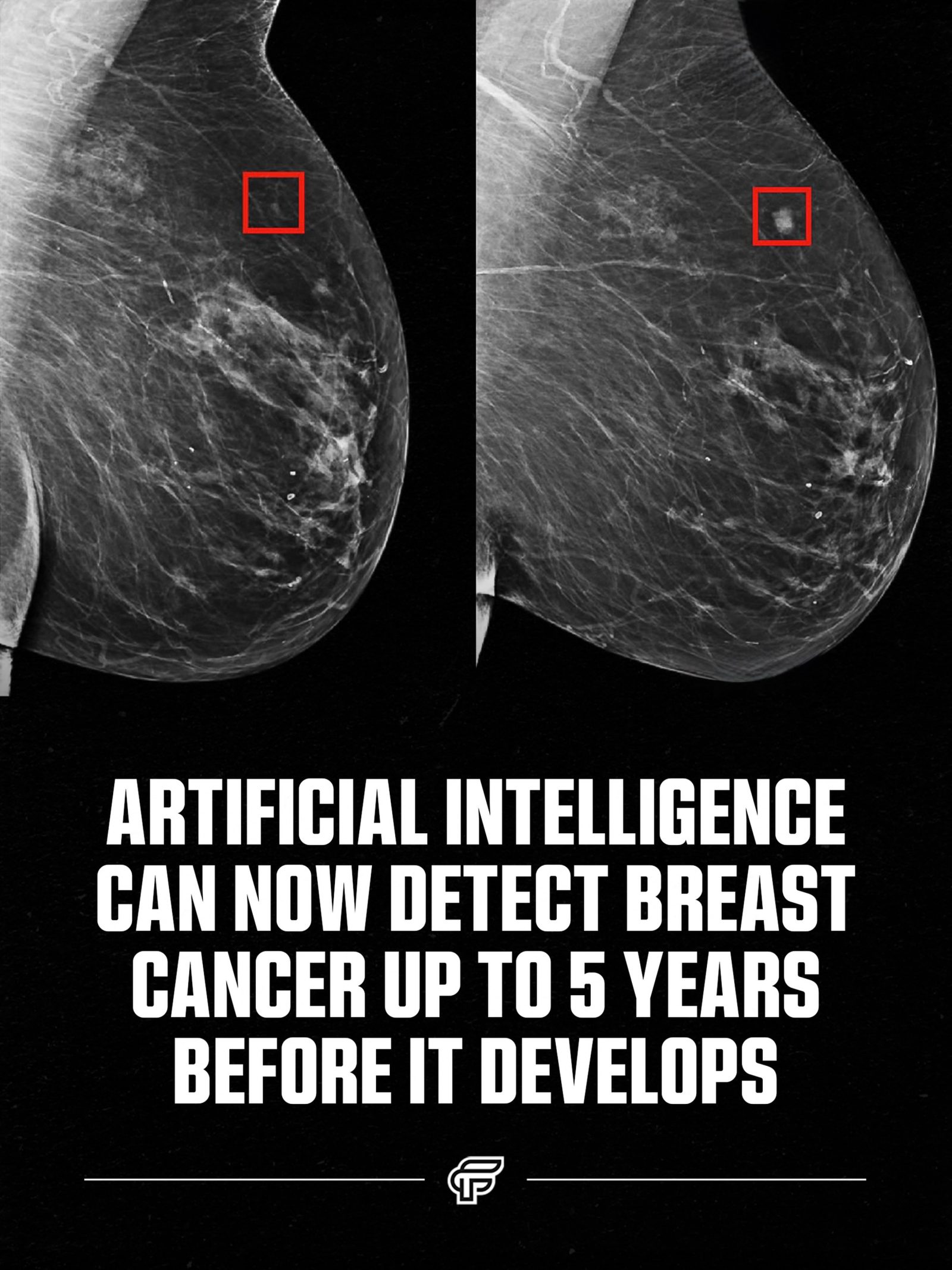
Breast Cancer Detection
Breast cancer detection has long been a critical area of medical research, and recent advancements in artificial intelligence (AI) are revolutionizing this field. Researchers at MIT and Massachusetts General Hospital have developed an AI model called Mirai that can analyze standard mammogram scans and predict breast cancer development up to five years before it appears.
Why This Matters
Early detection of breast cancer is crucial for effective treatment and improved patient outcomes. Traditional screening methods typically detect cancer once it has already formed, but with the ability to predict the development of breast cancer up to five years in advance, Mirai offers a transformative approach to breast cancer prevention.
The Mirai AI Model
Mirai was trained on a vast dataset of over 200,000 mammograms. This extensive training ensures that the model can accurately identify patterns and anomalies that may indicate the future development of breast cancer. The model's predictive capabilities have been clinically validated, outperforming traditional risk assessment methods in clinical trials.
How Mirai Works
The AI model analyzes mammogram scans using advanced algorithms designed to recognize subtle changes in breast tissue that may not be immediately apparent to human radiologists. By flagging high-risk patients years in advance, Mirai changes the entire prevention model, allowing for earlier interventions and potentially life-saving treatments.
Comparing Mirai to Traditional Methods
Traditional screening programs rely on visual assessments and risk factor evaluations to detect breast cancer. While effective, these methods are limited by the fact that they can only detect cancer once it has formed. Mirai, on the other hand, offers a proactive approach by identifying potential risks before cancer develops, thus providing a significant advantage in early intervention and prevention.
Practical Tips
If you are considering using AI for breast cancer detection, here are some practical tips to help you understand and navigate this innovative technology:
Understand the Limitations
While Mirai shows promising results, it is important to understand that AI is not a replacement for traditional screening methods. It should be used as a complementary tool to enhance the accuracy and effectiveness of breast cancer detection.
Consult with Healthcare Providers
Before relying on AI for breast cancer detection, consult with your healthcare provider to discuss the potential benefits and limitations. They can provide personalized advice based on your medical history and risk factors.
Stay Informed
AI technology is rapidly evolving, and new advancements are constantly being made. Stay informed about the latest developments in AI for breast cancer detection to ensure you are getting the most accurate and effective care.
Important Takeaways
Early Detection with AI
AI models like Mirai offer a new frontier in early breast cancer detection, providing the potential to identify risks up to five years before cancer develops. This proactive approach can significantly improve patient outcomes and save lives.
Complementing Traditional Methods
While AI offers exciting advancements, it is essential to use it in conjunction with traditional screening methods. Combining these approaches can provide a more comprehensive and accurate assessment of breast cancer risk.
The Future of Breast Cancer Detection
The development of AI models like Mirai represents a significant leap forward in breast cancer detection. As technology continues to advance, we can expect even more innovative solutions that will further enhance our ability to detect and prevent breast cancer.
Conclusion
The potential of AI in breast cancer detection is undeniable. With models like Mirai, we are entering a new era of proactive and precise healthcare. By leveraging the power of AI to detect risks years in advance, we can transform the prevention and treatment of breast cancer, ultimately saving lives and improving the quality of life for countless individuals.
Watch the Reel
Questions readers ask
How does the Mirai model enhance early breast cancer detection?
The Mirai model improves early breast cancer detection by analyzing mammogram scans for subtle indicators that traditional methods might miss. It can predict the development of breast cancer up to five years before symptoms appear, enabling earlier intervention and prevention strategies.
What makes AI-driven breast cancer detection different from traditional screening methods?
AI-driven breast cancer detection, such as the Mirai model, goes beyond identifying existing cancer. Instead of detecting cancer once it has formed, AI can predict its development up to five years in advance.
Who developed the Mirai AI model for breast cancer detection?
The Mirai AI model was developed by researchers at MIT and Massachusetts General Hospital. It leverages advanced AI technology to analyze mammogram scans and predict breast cancer development with unprecedented accuracy.
How does the Mirai model analyze mammogram scans?
The Mirai model employs sophisticated algorithms to scrutinize mammogram images. These algorithms can identify minute details and patterns that may indicate an increased risk of future cancer development, which are often undetectable to the human eye.
Can the Mirai model be integrated into existing healthcare systems?
While the article does not specify the integration process, the Mirai model is designed to analyze standard mammogram scans, suggesting it can be incorporated into existing healthcare systems. This would enable widespread use and potentially transform breast cancer screening practices.
What benefits does early breast cancer detection offer to patients?
Early breast cancer detection through AI offers patients numerous benefits, including earlier intervention, more effective treatment options, and improved overall health outcomes. By detecting cancer up to five years before it manifests, patients have more time to take preventative measures and plan their care.
What are the implications of predicting cancer development 5 years early?
Predicting cancer development 5 years in advance allows for proactive health management. It enables physicians to monitor high-risk individuals more closely, recommend lifestyle changes, and consider preventive treatments, ultimately aiming to reduce the incidence of breast cancer.
Related deep dives
Similar reads based on topic and creator.

Recent articles
Fresh deep dives from the latest Reels we unpacked.




Comments
Be the first to comment.