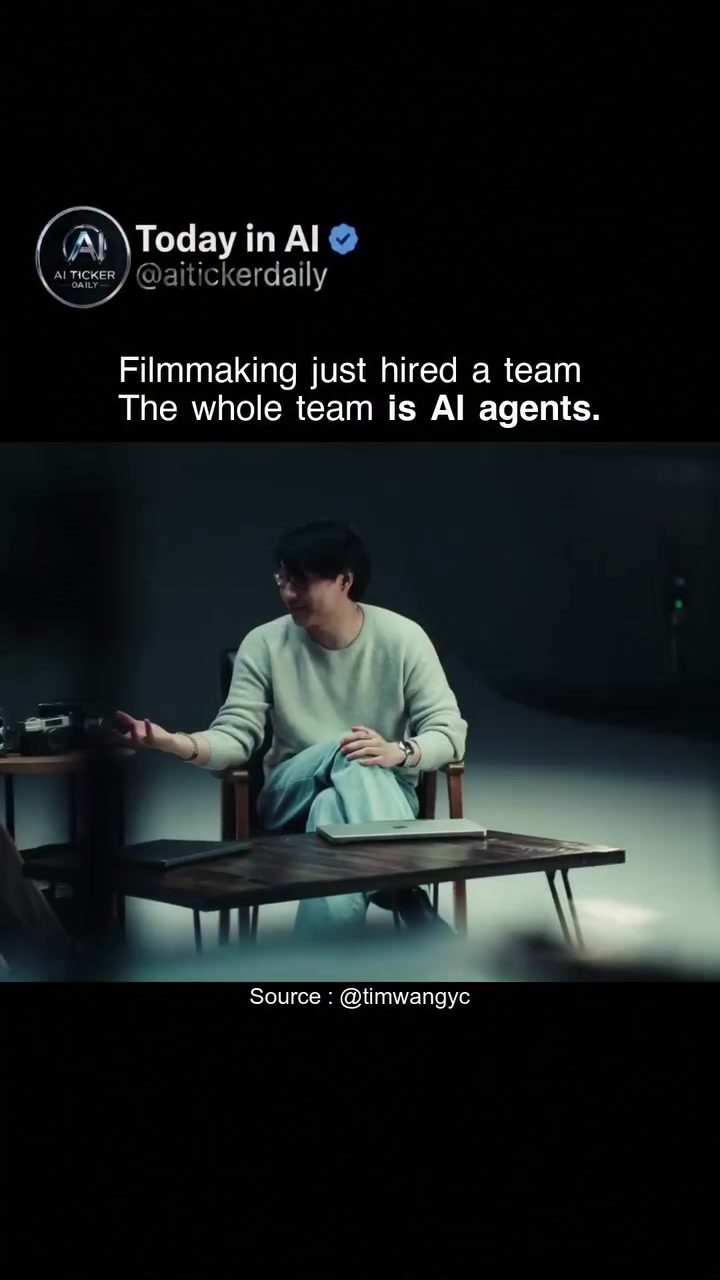
AI Filmmaking and the Evolution of Video Editing
The role of a video editor is evolving, and AI is at the forefront. AI filmmaking tools are changing how video editors work. They are no longer confined to a single job; instead, their roles are splitting into two distinct functions. This shift is driven by the introduction of advanced AI technologies that enhance creativity and productivity.
Why this Matters
Filmmaking has always been a collaborative process, but AI is pushing the boundaries of what's possible. AI agents are now capable of handling complex editing tasks, from cutting and scoring to color grading and pacing. This shift means that editors can focus more on the creative aspects of storytelling, while AI handles the technical details.
AI filmmaking tools are designed to work alongside human creativity. They are not just tools for efficiency; they are partners that collaborate with creatives. These agents can handle the intricate details of video editing, allowing directors to give notes and receive iterations quickly. This collaborative approach ensures that the final product is both efficient and creative.
AI Filmmaking and the New Era of Storytelling
The rise of AI in filmmaking is not just about efficiency. It's about redefining the creative process. AI agents can handle the technical aspects of video editing, freeing up human creatives to focus on storytelling. This shift is already evident in the industry, with tools like Ponder leading the way. Ponder is an agentic video editor that treats editing like coding tools treat code. You sit in the director's chair while a team of AI agents handles the work underneath you.
The Role of Human Creativity
Human creativity is still at the core of storytelling. AI agents can suggest edits and iterations, but the final decisions are always in the hands of the human director. This collaboration between AI and human creativity is what makes AI filmmaking so powerful. It allows for a faster, more efficient creative process without sacrificing the artistic vision.
AI Agents and the Creative Process
AI agents can handle a wide range of tasks, from cutting and scoring to color grading and pacing. They can even suggest coverage choices, revealing options that the human eye might miss. This collaborative process allows for a more dynamic and iterative creative workflow. Directors can give notes, AI agents can iterate, and the process continues until the final product is perfect.
The Future of Video Editing
The future of video editing is looking increasingly AI-driven. As AI technology continues to advance, it will become an even more integral part of the filmmaking process. Tools like Ponder are just the beginning. The next era of storytelling will likely be defined by the collaboration between human creatives and AI agents.
Practical Tips for Working with AI Filmmaking Tools
-
Start Small: Begin by integrating AI tools into small parts of your workflow. This will help you get comfortable with the technology before fully committing to it. Start with simple tasks like color grading or scoring before moving on to more complex tasks like cutting and pacing.
-
Give Clear Notes: AI agents are only as good as the notes they receive. Be clear and concise in your instructions, and provide as much detail as possible. This will help the AI agents understand your vision and make better suggestions.
-
Iterate: Don't expect the AI to get it right the first time. The iterative process is key to achieving the best results. Give notes, receive iterations, and repeat until you are satisfied with the outcome.
-
Embrace the Process: Remember that AI is a tool to enhance your creativity, not replace it. Embrace the collaborative process and use the AI to your advantage.
-
Stay Involved: While AI can handle many tasks, it's important to stay involved in the creative process. Your input and vision are still crucial to the final product.
Important Takeaways
AI filmmaking is not just about efficiency; it's about redefining the creative process. By collaborating with AI agents, creatives can focus more on storytelling and less on the technical details. This shift is already evident in the industry, with tools like Ponder leading the way. The future of video editing is looking increasingly AI-driven, and embracing this new era of storytelling will be key to staying competitive in the industry.
Conclusion
AI is transforming the filmmaking industry, and video editing is at the forefront of this change. Tools like Ponder are revolutionizing the way creatives work, allowing them to focus more on storytelling and less on the technical aspects. As AI technology continues to advance, it will become an even more integral part of the filmmaking process. Embracing this new era of storytelling will be key to staying competitive in the industry.
Watch the Reel
Questions readers ask
How does AI assist in video editing during film production?
AI assists in video editing by automating technical tasks such as cutting, scoring, color grading, and pacing. This allows human editors to concentrate more on the creative aspects of storytelling, enhancing the overall quality and efficiency of the film production process.
What are AI filmmaking tools and how do they benefit filmmakers?
AI filmmaking tools are advanced software applications that use artificial intelligence to streamline various aspects of video editing and film production. These tools benefit filmmakers by increasing productivity, reducing the time spent on technical tasks, allowing for more creative freedom, and enabling innovative filmmaking techniques.
Can AI agents completely replace human video editors?
AI agents are designed to handle specific technical tasks, but they cannot replace the creative intuition and storytelling abilities of human video editors. Instead, AI agents work alongside human editors, taking over repetitive tasks and allowing editors to focus on more creative and strategic aspects of filmmaking.
What is the role of AI in the video editing timeline?
AI plays a crucial role in the video editing timeline by automating time-consuming tasks, such as initial cuts, scene selection, and basic color correction. This acceleration of the editing timeline allows for faster turnaround times and more iterations, ultimately leading to a more polished final product.
How do AI agents collaborate with filmmakers in the editing process?
AI agents collaborate with filmmakers by taking on specific, well-defined tasks within the editing process. They can generate initial cuts, suggest scene transitions, and even propose musical scores based on the video content. This collaboration enables filmmakers to review multiple options quickly and make informed creative decisions.
What are some examples of AI video editing software available for filmmakers?
AI video editing software includes tools like Adobe Premiere Pro with Sensei, Runway ML, and Descript. These platforms leverage AI to automate tasks such as object removal, scene detection, and even generating rough cuts based on script analysis, making the editing process more efficient and intuitive.
Related deep dives
Similar reads based on topic and creator.




Recent articles
Fresh deep dives from the latest Reels we unpacked.




Comments
Be the first to comment.