AI Agents: A New Era of Presence in Live Video Calls
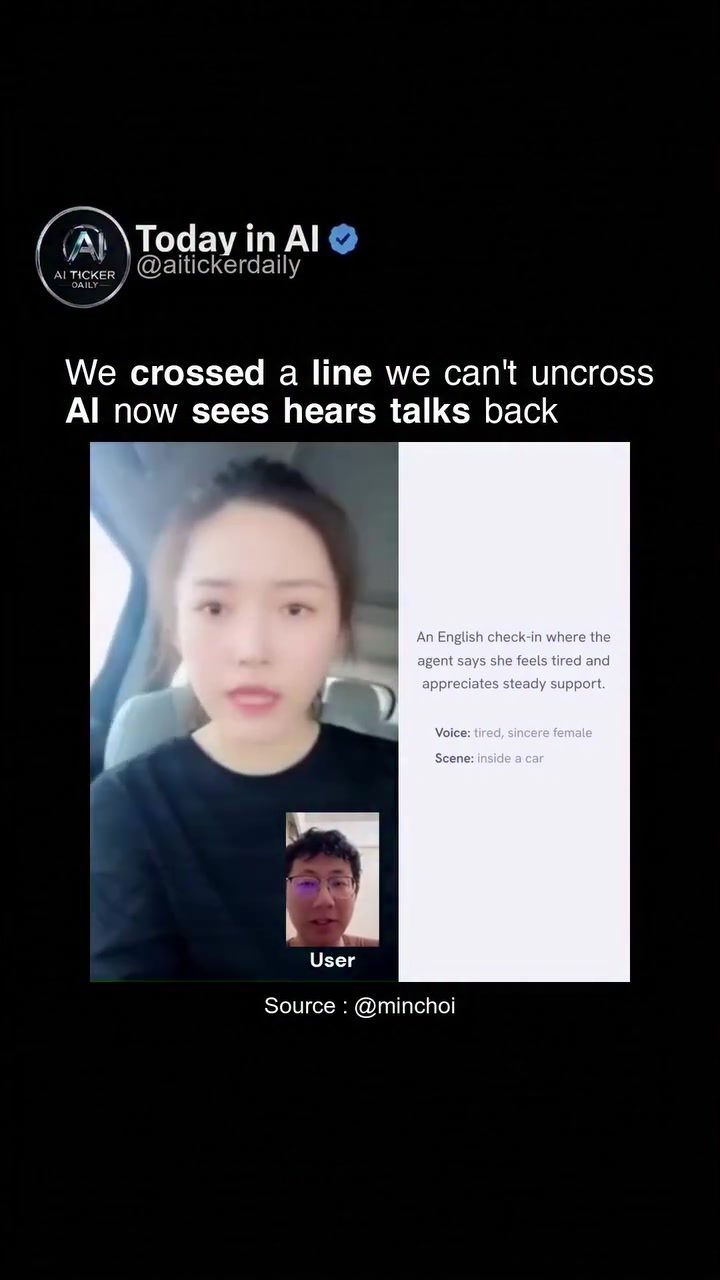
The reveal of Alibaba's Wan Streamer marks a significant shift in the capabilities of AI. This isn’t just another voice AI, but a real-time video AI agent that can see your face, hear your voice, and respond in real time during live video calls. This isn't the realm of chatbots or voice assistants; this is a new level of AI presence.
Why This Matters
The transition from text-based interactions to voice-based AI was a game-changer. Now, the shift from voice to full presence is even more transformative. This evolution means AI is no longer just listening to you; it's watching and responding in real time.
The implications of this technology are vast. It redefines how we interact with AI, making it more personal and immersive. This shift could change the way we communicate, work, and access information, enabling more natural and dynamic interactions with AI.
The Capabilities of AI Agents
Real-Time Interaction
AI agents like Wan Streamer can engage in live video calls, seeing and hearing you in real time. This type of interaction goes beyond simple voice recognition, as the AI agent can interpret facial expressions, body language, and vocal cues. This makes conversations more natural and contextual, allowing for more accurate and relevant responses.
Enhanced User Support
AI agents offer a level of support that transcends traditional chatbots and voice assistants. The ability to see and hear users in real time allows for more nuanced interactions, making these agents valuable in various settings, including customer service, healthcare, and education. For example, an AI agent could provide immediate assistance in a technical support call, offering visual guides and step-by-step instructions. Both parties benefit from the real-time interaction, leading to more effective problem-solving and user satisfaction.
Emotional Intelligence
AI agents can also detect emotional cues, making them better equipped to provide empathetic support. For instance, a customer service agent could recognize if a user is frustrated or confused and respond with appropriate empathy, thereby enhancing the user experience.
Ethical Considerations and Privacy Concerns
Data Privacy
As AI agents become more capable, it's crucial to address the privacy implications. Real-time video interaction means AI agents will have access to a wealth of personal data, including facial expressions and vocal patterns. Ensuring the privacy and security of this data is paramount. Users must have control over what data is collected and how it is used. Transparent data policies and robust encryption methods are necessary to build trust and ensure user privacy.
Ethical Boundaries
The introduction of AI agents that can see and hear users raises ethical questions. It's important to establish clear guidelines and boundaries for how these agents can interact with users. This includes setting limits on data collection, ensuring informed consent, and providing users with the ability to opt out of interactions if they feel uncomfortable. Ethical considerations will evolve with the technology, requiring ongoing dialogue and regulatory oversight.
Practical Tips for Engaging with AI Agents
Be Aware of Privacy Settings
Before engaging with an AI agent, familiarize yourself with the privacy settings. Understand what data is being collected, how it is being used, and your options for controlling this data. Many platforms offer customizable privacy settings, allowing you to tailor your experience to your comfort level.
Provide Clear Instructions
AI agents are designed to understand and respond to your needs, but clear communication is key. Be specific about what you need and provide as much context as possible. This helps the AI agent offer more accurate and relevant responses, making the interaction smoother and more efficient.
Use AI Agents for Complex Tasks
AI agents are particularly useful for complex tasks that require real-time interaction and feedback. For example, use them for technical support, language learning, or educational assistance. These agents can provide immediate, visual feedback, making them ideal for tasks that benefit from real-time engagement.
Important Takeaways
AI agents represent a significant advancement in how we interact with technology. They offer a new level of presence and interaction, making AI more personal and immersive. However, with this increased capability comes a need for robust privacy protections and ethical guidelines. By understanding these considerations, we can maximize the benefits of AI while minimizing potential risks.
Conclusion
The introduction of AI agents like Alibaba's Wan Streamer marks a new era in AI capabilities. These agents offer real-time, immersive interactions, enhancing user experiences across various sectors. From customer service to healthcare, the potential applications are vast. However, it's essential to address privacy and ethical considerations to ensure that these interactions are safe, secure, and beneficial for all users. As AI continues to evolve, staying informed and proactive about these developments will help us navigate this new landscape effectively.
Watch the Reel
Questions readers ask
What is Alibaba's Wan Streamer and how does it differ from traditional AI assistants?
Alibaba's Wan Streamer is a real-time video AI agent designed for live video calls. Unlike traditional AI assistants, don't rely on text or voice alone, Wan Streamer can see your face, hear your voice, and respond in real-time, making interactions more personal and engaging.
How does real-time AI video interaction enhance communication?
Real-time AI video interaction enhances communication by providing a full presence experience. It allows AI to understand and respond to both verbal and non-verbal cues, making conversations more natural and emotionally intelligent.
What are the benefits of AI agents in live video calls?
AI agents in live video calls offer benefits such as enhanced emotional intelligence, real-time responses, and a more immersive experience. They can help in various scenarios, from customer service to remote work, by providing personalized and efficient interactions.
How does AI face and voice recognition improve live video interactions?
AI face and voice recognition improve live video interactions by allowing the AI to better understand and respond to users. This technology enables AI to pick up on emotional cues, maintain context, and provide more accurate and helpful responses.
What is the significance of the shift from voice to full presence in AI communication?
The shift from voice to full presence in AI communication signifies a move towards more immersive and personal interactions. It means AI is no longer just listening but also observing and responding in real-time, making the experience more engaging and natural.
How do AI agents in live video calls impact remote work and access to information?
AI agents in live video calls make remote work more efficient and accessible by providing real-time assistance and information. They can help with tasks, answer queries, and even facilitate meetings, making remote collaboration more seamless and effective.
What are some potential use cases for AI virtual assistants in live video communication?
Potential use cases for AI virtual assistants in live video communication include customer support, virtual meetings, language interpretation, and personalized coaching. These assistants can provide immediate, friendly, and helpful support, enhancing user experiences in various settings.
Related deep dives
Similar reads based on topic and creator.

Recent articles
Fresh deep dives from the latest Reels we unpacked.




Comments
Be the first to comment.