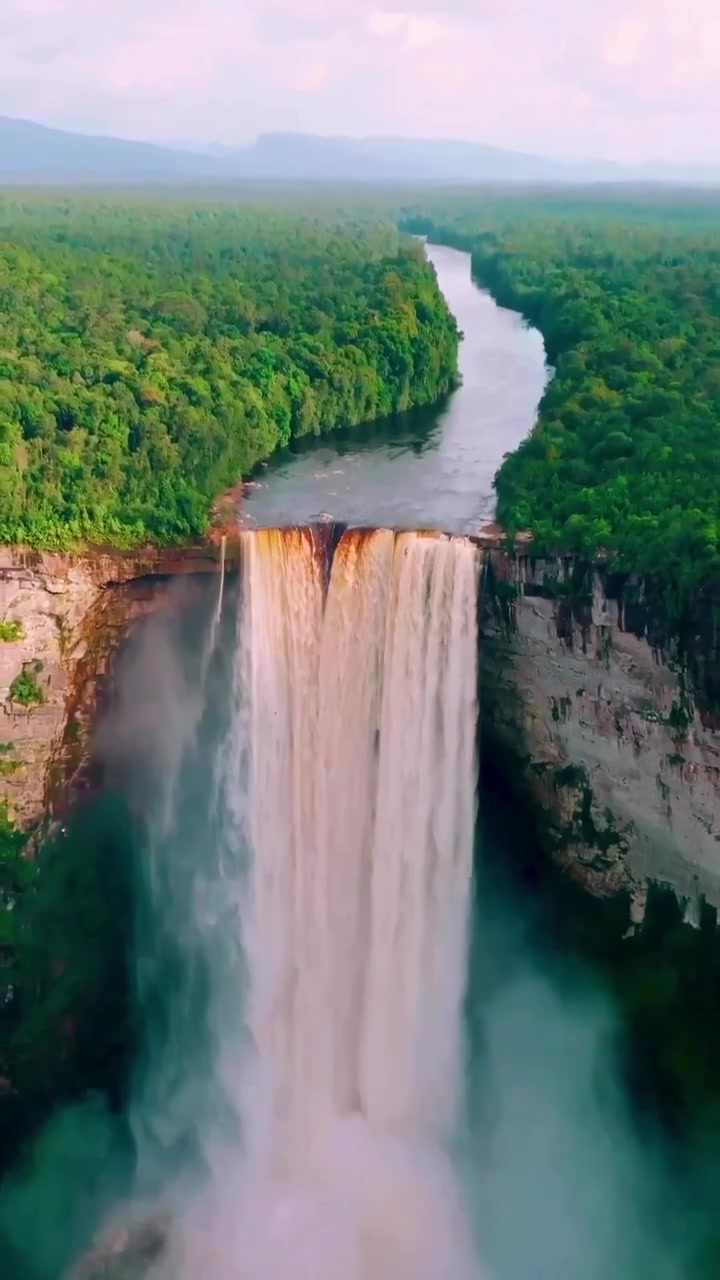
Every second, over 2500 gallons of water pour over the sheer cliff face, hurtling some 200 feet down into the placid river far below. From the air, the view of the waterfall is a deep survey of a green and blue landscape. The dense rainforest environment itself is a living, breathing organism, punctuated by this powerful geological feature. The aerial view of a waterfall is, simply, an elevated perspective of a waterfall. The key difference is the camera's position — often from a drone or helicopter. These vantage points transform an already awe-inspiring feature into a spectacle. The scale is undeniable — 200 feet, or six-floor buildings, tumble down before your eyes. The force of the water is magnified, as are the nuances of the surrounding landscape.
The View From Above
The camera doesn't just capture the waterfall, it reveals the way the power of a waterfall impacts the nearby geography. The mist created by the falling water forms a fertile ground for moss and algae, adding to the vibrant green landscape. The aerial perspective is a pure unadulterated reminder of the power of mother nature. It forces the viewer to not only appreciate the beauty of the waterfall but to also consider the power of nature in shaping our world. It is an immutable force, one that will persist long after human civilizations have come and gone. But what makes an aerial view so transformative?
Why Aerial Photos Are So Popular
An aerial view of a waterfall reveals the power of water. Imagine the roar of water smashing down from towering heights. Every drop is a testament to the relentless force of nature. Water runs in rivers and streams. But in a waterfall it takes on a whole different character. In the aerial view, the water does not fill the frame. It is the landscape that is on view, with the falling water turning the scene into a dramatic piece of art. The eye is drawn to the intricate patterns in the rainforest, as well as the way the trees are bathed in the morning sunlight. What's the draw of this perspective? The water pours like a living force, sculpting the landscape over time. It's a subtle reminder of how nature shapes the world in ways big and small. The scale is no small part of the appeal. Aerial views make daunting natural features more relatable, even reverential. The sheer scale of the waterfall is paired with a sense of wonder. The viewing experience is about the visuals alone. The beauty of the waterfall is undeniable, but it is the surrounding landscape that makes it truly special.
The Terrain
The river’s currents and eddies are revealed. The rock formations. The mist as it forms and dissipates. All delicate details repeat themselves. At the end of the waterfall, as the river takes over, there is still the occasional whitecap and a changing view of the river itself.
The Equipment
An aerial drone can be flown over the waterfall, capturing a new perspective. In decades past, the same thing could be achieved with a helicopter and a camera – a much more expensive and complicated piece of equipment. Both methods are limited by the regulations that are in place to protect wildlife and the surrounding environment. The drone can travel to heights and angles that would be unsafe for a human photographer.
The Experience
But the one thing that really sets an aerial view of a waterfall apart from a typical photograph is how you experience and interact with the content. You experience the scene almost as though you were really there, the mass of water surging and roaring downwards surrounded by the soft green beauty of the rainforest. There is a slight chance that the drone could collide with the rocks or the water and be damaged, but the enjoyment it provides is still worth the small risk. One image taken from a drone can prove invaluable to a research grant as well as for a documentary crew.
For The Adventurer
If you want to capture a breathtaking aerial waterfall or share one with your friends, the following pointers will help you:
- Seek Permissions: Respect private property and always let locals know you’re there. If you want to get a great shot, you need to be sure you’re allowed to be there.
- Check Air Laws: Rules for drone use vary by country and region. Know the rules, so you’re always in compliance and safe, whether you’re new to the hobby or a long-time pilot.
- Monitor Weather: The best conditions for an aerial photograph are a cloudy day or a calm one. When the sky is filled with storm clouds, waterfalls are more powerful, beautiful, and majestic in their appearance. Rainbows forming from the mist are a happy bonus. If you wait for the perfect weather, you’ll get the perfect shot.
A Living Scene
Imagine a world where rainforests no longer exist. The rainforest’s dramatic vistas would instead be replaced with vast expanses of concrete and forests of steel. Our eyes would no longer enjoy the beauty and serenity of nature. But the truth is that these scenes of natural beauty are rapidly disappearing from our world. Human eyes are drawn to beauty, even if that beauty comes from a drone or helicopter. Drones have been used to explore and document the rainforests and other places of the world in more detail than ever before. This incredible perspective gives us a glimpse into a world of beauty, power, and majesty.
Watch the Reel
Questions readers ask
What kind of camera is typically used to capture an aerial view of a waterfall?
Aerial views of waterfalls are typically captured using cameras mounted on drones or helicopters. Drones are more commonly used today due to their accessibility and maneuverability, while helicopters were more commonly used in the past. Both methods offer a unique perspective that showcases the scale and power of the waterfall and its surrounding landscape.
How does the aerial view of a waterfall differ from a ground-level view?
An aerial view of a waterfall offers a much broader perspective, allowing viewers to see the waterfall in the context of the surrounding landscape. From above, the scale of the waterfall is more apparent, and the nuances of the nearby geography, such as the mist creating a fertile ground for moss and algae, are revealed. This view provides a sense of the waterfall's power and impact on the environment, which can be lost at ground level.
What makes an aerial view of a waterfall so powerful?
The aerial view of a waterfall is powerful because it showcases the relentless force of nature and the beauty of the landscape. The scale of the waterfall and the intricate patterns of the rainforest are revealed, creating a dramatic piece of art. This perspective also reminds viewers of the way nature shapes the world, making the experience both awe-inspiring and thought-provoking.
What kind of details can be seen in an aerial view of a waterfall?
An aerial view reveals details that might be missed from the ground, such as the river's currents and eddies, rock formations, and the formation and dissipation of mist. The perspective also shows the transition from the waterfall to the river, where whitecaps and the river's changing view can be seen. It's a comprehensive look at the waterfall's impact on the surrounding environment.
What regulations might impact the use of drones or helicopters to capture aerial views of waterfalls?
Using drones or helicopters to capture aerial views of waterfalls is subject to regulations aimed at protecting wildlife and the surrounding environment. These regulations can limit where and how the equipment can be used, ensuring that the natural beauty of the area is preserved while still allowing for stunning aerial photography.
How does the waterfall impact the surrounding landscape, as seen from an aerial view?
From an aerial view, it's clear how the waterfall's power shapes the landscape over time. The force of the water creates mist that fosters the growth of moss and algae, adding to the vibrant green landscape. The waterfall also sculpts the terrain, revealing rock formations and the river's currents and eddies, showcasing nature's relentless force.
Related deep dives
Similar reads based on topic and creator.



Recent articles
Fresh deep dives from the latest Reels we unpacked.
Comments
Be the first to comment.