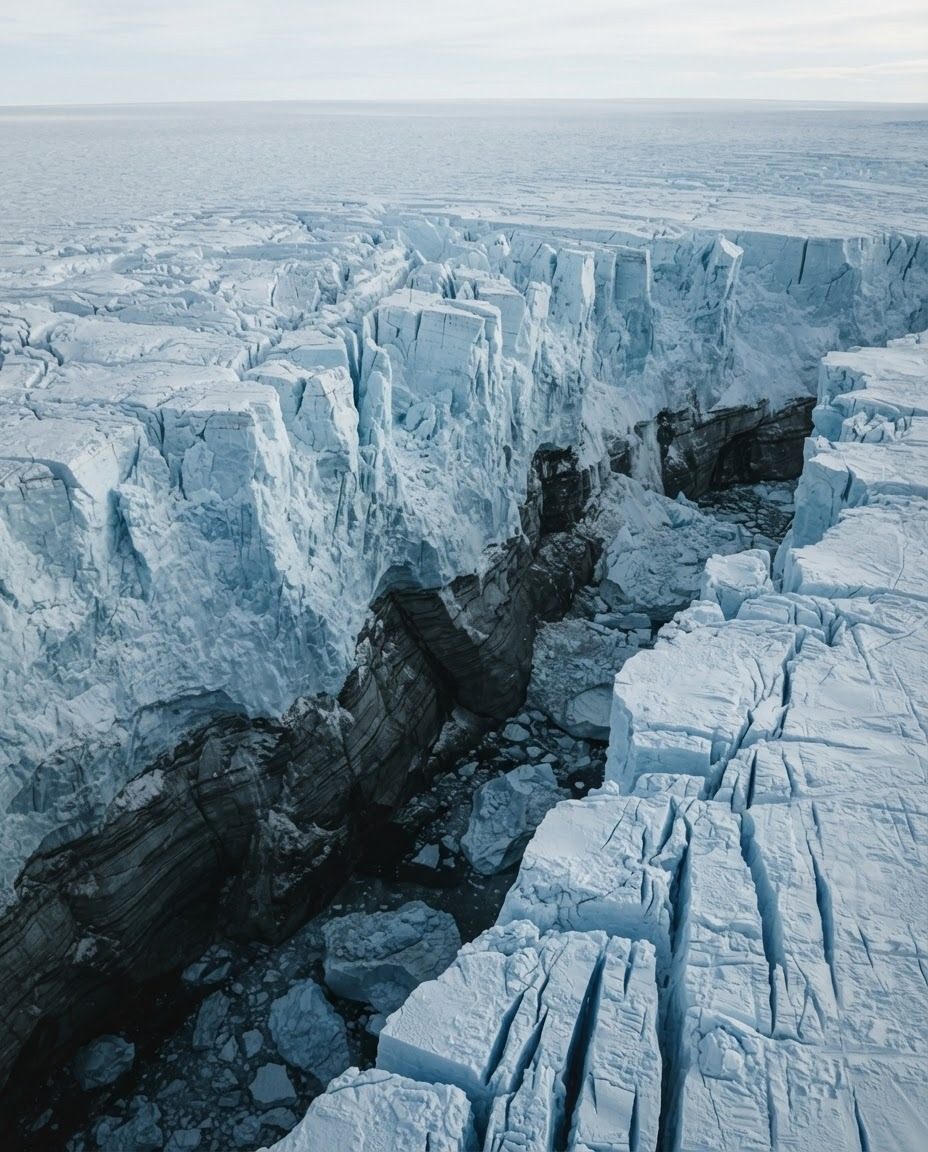
Massive glaciers reveal sublime natural beauty in geological formation and time
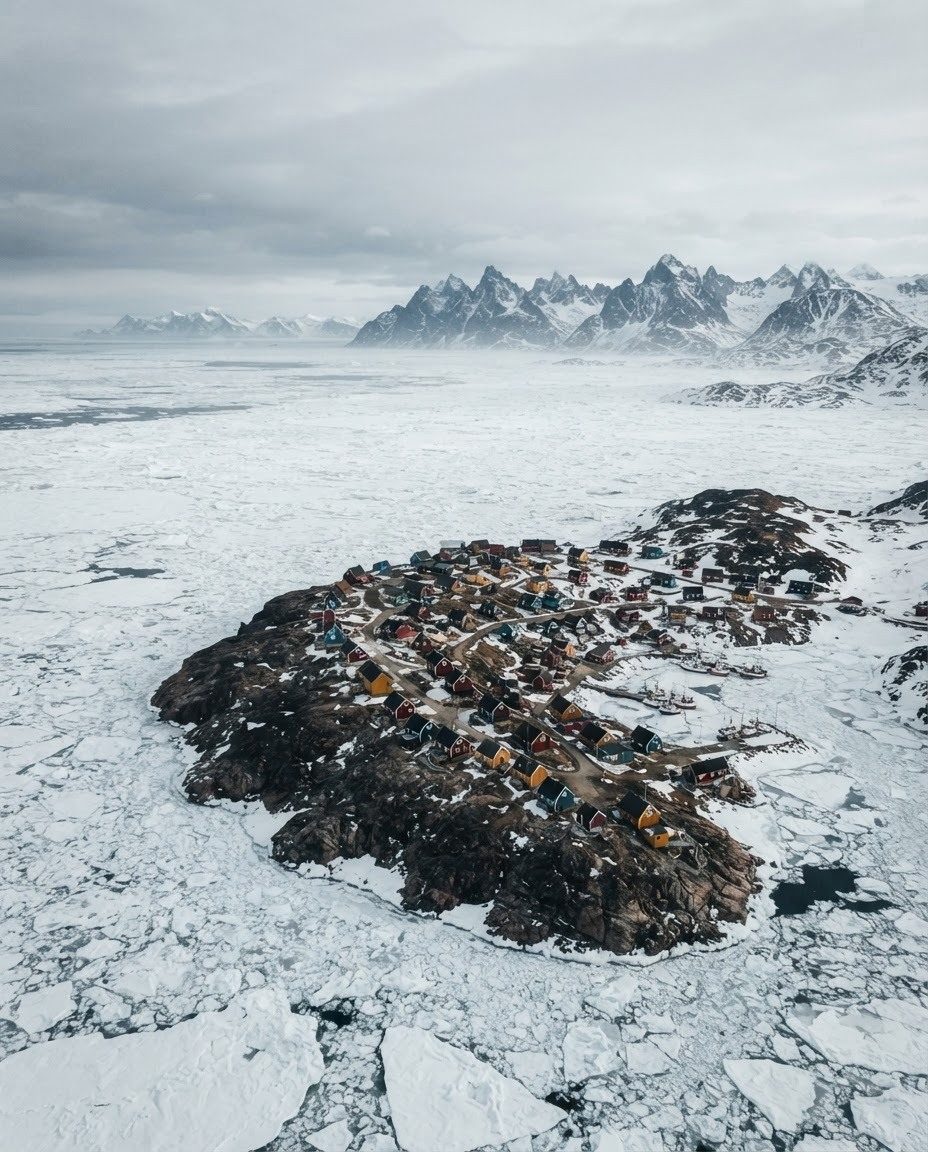
A glacial landscape is a humbling testament to the slow, intricate dance of time and temperature. Ice formations of glacial landscapes are intricate and intricate, reveal deep crevasses and jagged edges. They represent the dynamic nature of glaciers, sculpted by the relentless forces of erosion and the sheer weight of ice. The ice is a mosaic of textures, each ridge and furrow telling a story of geological history written in hues of blue and white. Glaciers are not static giants, they are relentlessly moving, carving valleys. The intricate patterns and textures are the work of centuries-old erosion and built up layers and the process of freeze and thaw. Geologists are not sure if the layers beneath the surface of the glacier are sedimentary rock or layers of ice. They are often veiled, but they hint an the old disaster of continental ice sheets. Ice formations on glaciers can take many shapes, from towering pinnacles, the texture and precision of the ice faces of the glacier resemble ancient cathedrals. Ice caverns and caves, formed when meltwater carves tunnels beneath the surface. Crevasses, deep fractures in the ice, reveal the glacier’s structural integrity, offering a glimpse into its inner workings.
Ice formations within glacial landscapes expose the power of glaciers over a million years ago
Glaciers are not merely frozen rivers of ice; they are the architects of the landscape. Ice forms glaciers, shaped by nature's relentless forces. Running water erodes and carves the surrounding surface of the glacier. Water and gravity are the sculptors. They reveal the constantly changing form of the glacier, its movement and ice formations of glacial landscapes are intricate and textured reveal deep crevasses and jagged edges. The glacier’s movement is a powerful force, constantly reshaping and relocating the ice formations. Glaciers are dynamic ecosystems, not just frozen landscapes. Even in their fasting moving parts, they support a variety of life. Exploring the dynamics of ice the ice formations are intricate and intricate, revealing deep crevasses and jagged edges. The edges of ice formation are jagged and add to the beauty of the glacier. Glaciers have a unique beauty that cannot be found in any other landscape. They are a reminder of the power of nature and the importance of protecting our natural world.
Glacier landscapes sublimely showcase the impact of freeze and thaw cycles
The glacier’s grandeur is not just in its size, but in the delicate balance of its environment. Glaciers are constantly in flux, shaped by the freeze-thaw cycles. “The glacier’s surface is a complex mosaic of textures and patterns, each one telling a story of the glacier’s history.” Ice formations are intricate and intricate, revealing deep crevasses this process is a constant reminder of the beauty of nature. The ice formations are not only beautiful, but they are also a testament to the power of nature. Glaciers are a reminder of the importance of preserving these natural wonders for future generations. Glaciers are a geological phenomenon. They are not just beautiful, but also a reminder of the power of nature. Glaciers are a reminder of the importance of protecting our natural world. They are a reminder of the power of nature and the importance of preserving these natural wonders. Glaciers are a reminder of the power of nature, and the importance of preserving our natural world. They are a reminder of the importance of preserving these natural wonders for future generations.
Watch the Reel
Related deep dives
Similar reads based on topic and creator.
Recent articles
Fresh deep dives from the latest Reels we unpacked.


Comments
Be the first to comment.