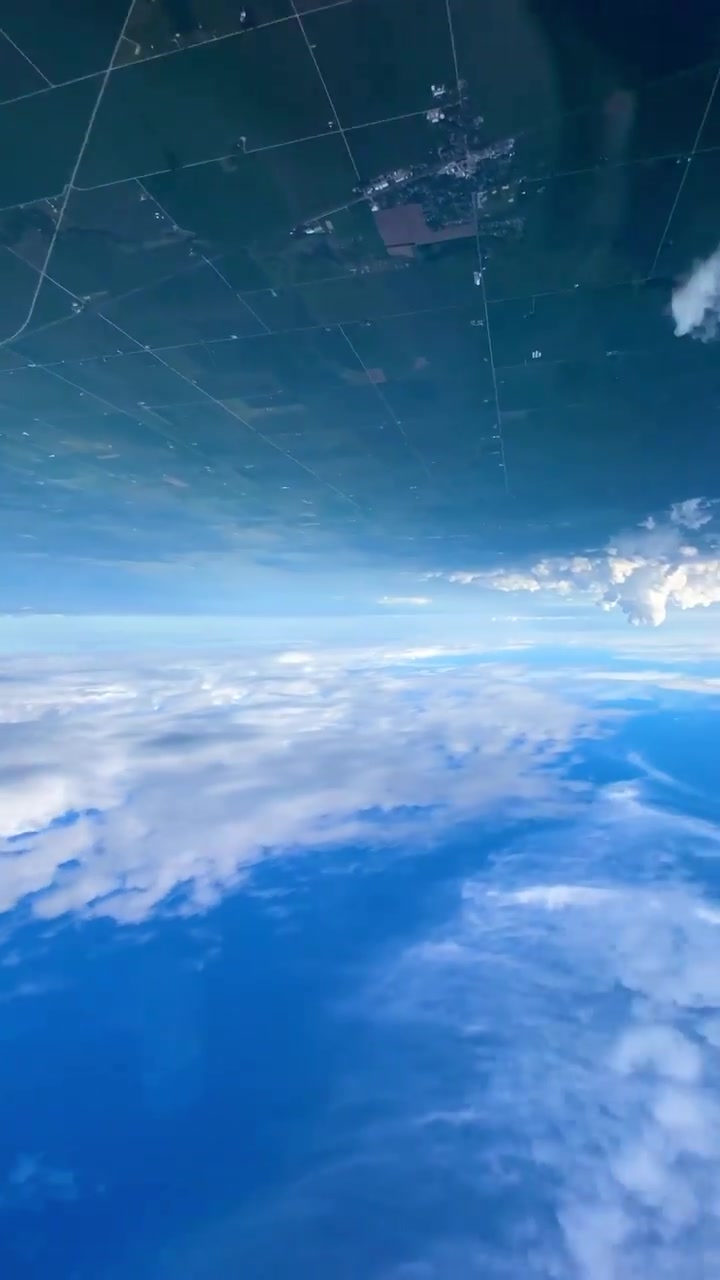
An aerial view from an airplane window can instantly transform a mundane journey into an adventure high above the clouds. This striking view from a plane offers accustomed, common but countryside majesty. The video opens with a plain aerial perspective of a landscape, and it's a remezembering shot of an ordinary flying slip from the perspective of the clouds. Footage from extreme heights can propel its audience as the very definition of a new experience. The trip accelerates our gaze through space, transforming the everyday into spectacle. At first glance, the video seems deceptively simple, capturing a scene experienced by millions of travelers. However, its simultaneous simplicity and grandeur make it a thought-provoking subject of travel content.
Accidentally Majestic Moments: The View at 30,000 Feet
The video is not just an aerial view, but a landscape. A moment of raw, slightly unfiltered surprise. The images of infinite expanse and panorama from the passenger window express the wonder of clouds from 30,000 feet. The clouds that appear like a series of cotton candy clouds while watching the ground quickly recede to a grid of farmland and villages. The visual narrative of cloudscapes is also a private adventure. For one of the few minutes of every flight, the plane itself is a little-world — a time-out zone between the hubbub of takeoff and chaos of landing. Travelers look out from the windows at fields and towns beneath. But the vast expanse of blue sky and clouds is what seals the moment — the clouds with various formations, separated from one another, and always on the move.
The Quiet Appeal of Anonymity
These shots appeal because they lack the contrivance of tourist attractions. There's no famous landmark or identity of a "must-see destination." This is not the product of travel photography or a tourist plane. The kind of clouds snapped while flying that captures the awe of a high-altitude perspective. In a world where opinions on travel are more and more polarized, this is anonymity tourism, a pure and often bystander's experience. To put it another way, this capturing of wonder without selfies. The lack of personal identification makes this an almost impersonal majesty. There are no fascinated visitors with cameras trying to take a photo of a famous landmark. This is a chance observation, a silent snapshot. Trees, mountains, or villages are seen from above, but they stay unrecognizable. The clouds themselves are almost the stars, even as the traveler below or above them. The clouds in the sky have an uncanny beauty not in their look but also the shape and formations that give us a sense of the ‘aerial’ existence. It's not the blink-and-miss nature of the clouds that matters. As a sight, clouds are innately unspectacular. But, as the clouds form or dissipate, the composition never stays the same. Trying to capture it is folding into something faintly obsessive.
Why Clouds Meaningfully Matter
The cloudiness forces viewers to engage with the sky and the clouds in a more meaningful way. Weather systems that are otherwise often invisible become visible in the clouds. The clouds are also the natural climax of a flight: usually, the point when passengers are no longer focused on the plane or the hubbub— territory of formal flights that elude functionality. The clouds that exist in all the skies in the world provide a moment of happiness to the entire cognizant world. As a natural entity, clouds are the epitome of simplicity in their vastness. In their fleetingness, they teach us patience. Clouds are always on the move, appearing, transforming, and disappearing. But the natural reaction to it is to observe, not to take actions, which is rare nowadays. The cloud cover becomes a metaphor for the transience of life.
Fickle Clouds: Every Cloud Is the Urgent Now
When introducing the world to a new travel trend or destination, travel media photographs the sky with the clouds. It's common to have spots of mid-day glossy clouds and shadowy sky, as the plane goes higher, and the sky becomes more dramatic. The clouds are often characterized by their shape and color, and the framing of the clouds and the sky becomes central and central to the visual style of the video. As the flight goes further, the clouds go through the entire spectrum of its strength. From bright white, billowy clouds at dinner time to the dark clouds at the dessert. Because these clouds are always transitory, it captures the surprise of the clouds during the daytime. They are non-negotiable: the clouds mark the time of the day, the flight path, the day of the year. So, gliding through time and space involves navigating the clouds. To a traveler in the plane, clouds take on the role of the signposts in the sky.
I Wouldn’t Mind a Passing Cloud
In this fleeting context, the clouds seem to whisper. It has a certain intimacy to it. "Don't leave so soon," says the clouds. In varying forms and to varying degrees, their presence is a topic of conversation. That's the nature of Cloudscapes: the direct experience. We may like to fantasize about the clouds, and their question will remain. As the video climaxes with the clouds, travelers are full of questions — "How could I keep doing?" depending on whether the weather is clear or cloudy.
Peeking Through the Clouds
If you are one of those people who like observing the clouds, you can create your own cloudscapes with just a few adjustments. Look for high-altitude flights where you can have a clear view of the sky and the clouds.
- Flying in the daytime: You're more likely to experience the clouds from a clear sky perspective.
- Press your nose to the window: Picking a window seat is the best. There is a rush of curiosity when you look out the window and see the clouds.
- Have a snack or something to drink: To fly with clouds, you might need to stay up for a long while. When your stomach rumbles, there is nothing you can do to control it.
Watch the Reel
Questions readers ask
What exactly does the aerial view from 30,000 feet look like?
From 30,000 feet, the aerial view transforms the landscape into a vast, ever-changing canvas. Clouds take on the appearance of cotton candy formations, while the ground below reveals a grid of farmlands and villages. The perspective is both majestic and anonymous, offering a unique, almost impersonal majesty that's different from typical tourist attractions.
How does the view from an airplane window make the journey more adventurous?
The view from an airplane window can turn a routine flight into an adventure by offering a perspective that most people don't get to see often. The combination of the vast expanse of blue sky and the constantly changing cloud formations creates a sense of wonder and awe, making the journey feel more exciting and memorable.
What makes the aerial view from a plane so thought-provoking?
The aerial view from a plane is thought-provoking because it simultaneously captures simplicity and grandeur. It's a scene experienced by millions of travelers, yet it offers a unique perspective that transforms the everyday into something spectacular. This contrast makes it a compelling subject for travel content.
How do clouds from 30,000 feet differ from what we see on the ground?
Clouds from 30,000 feet appear as vast, ever-changing formations that seem almost like a landscape themselves. They are separated from one another and constantly on the move, offering a dynamic and awe-inspiring sight that is quite different from the static, often unremarkable clouds we see from the ground.
Why do these aerial views appeal to viewers?
These aerial views appeal to viewers because they lack the contrivance of typical tourist attractions. There are no famous landmarks or must-see destinations, just a pure, often bystander's experience of the landscape and clouds. This anonymity and the impersonal majesty of the view make it a unique and captivating sight.
Why are clouds an important part of the aerial view experience?
Clouds are an important part of the aerial view experience because they force viewers to engage with the sky in a more meaningful way. Weather systems that are often invisible become visible in the clouds, and their constantly changing forms and compositions make them a fascinating subject to observe.
Can you capture the beauty of clouds from 30,000 feet in a photograph?
Capturing the beauty of clouds from 30,000 feet can be challenging, yet rewarding. The ever-changing nature of the clouds means that the composition never stays the same, making it a slightly obsessive pursuit. However, the unique formations and the sense of aerial existence they provide make it a worthwhile endeavor for many.
Related deep dives
Similar reads based on topic and creator.




Recent articles
Fresh deep dives from the latest Reels we unpacked.



Comments
Be the first to comment.