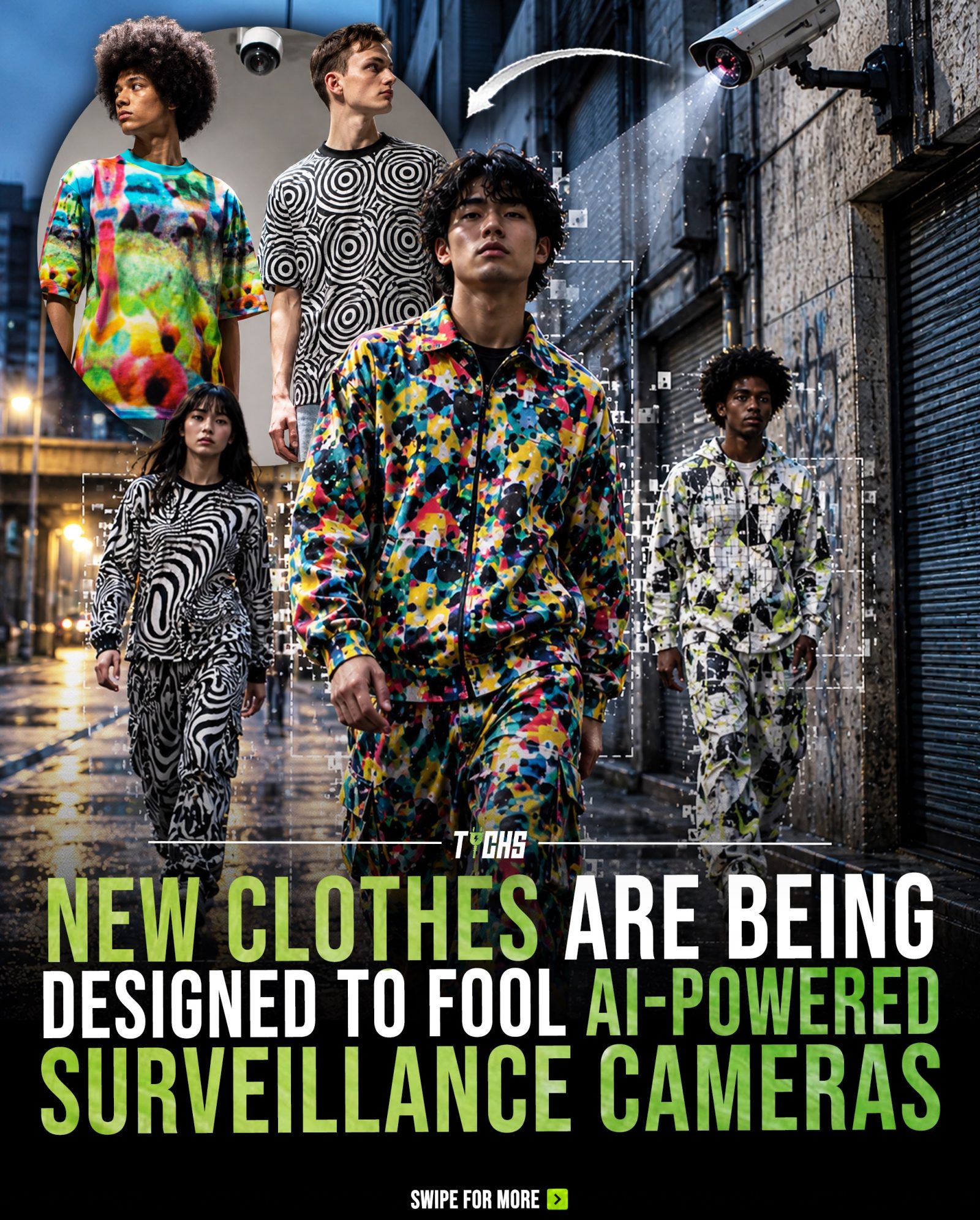
AI-Fooling Clothing
Adversarial clothing, designed to confuse AI surveillance systems, is a cutting-edge development in the world of fashion and technology. These garments use meticulously engineered visual patterns to interfere with computer vision models, making it difficult for AI to detect people, faces, and objects. One notable example is the clothing designed by TYCHS.
Why This Matters
The rise of AI-powered surveillance has led to increased concerns about privacy and personal security. Adversarial clothing offers a unique solution by disrupting the ability of AI systems to accurately detect and identify individuals. This technology can be particularly valuable in situations where privacy is a critical concern. Understanding the principles behind adversarial clothing can provide deeper insights into the limitations and vulnerabilities of AI surveillance systems.
How Adversarial Clothing Works
Visual Patterns and AI Confusion
At the heart of adversarial clothing are specific visual patterns designed to confuse AI systems. These patterns are not random; they are carefully engineered using advanced computer algorithms. Researcher Bill Swearingen tested millions of patterns to identify those that could disrupt multiple detection systems. The result is a pattern that can significantly reduce the confidence scores of AI systems, making it difficult for them to detect people and objects.
The on-screen text during the visual Demonstration highlighted the effectiveness of these patterns. For instance, a person wearing the adversarial clothing was detected with 100% confidence, while an Apple logo was detected with 82% confidence. In contrast, a car covered in the same pattern was detected with only 50% confidence. This disparity shows how the pattern can selectively interfere with AI detection, making it less reliable.
Real-World Applications
The concept of adversarial clothing has been tested beyond computer simulations, demonstrating its real-world applications. A Toyota Yaris covered in the same pattern as the clothing successfully avoided detection by a Flock camera. This real-world test underscores the potential for visual camouflage against AI object recognition, showing that the technology is not just a theoretical concept but a practical solution.
Practical Tips
Choosing the Right Pattern
When selecting adversarial clothing, it's important to choose a pattern that has been rigorously tested and proven to interfere with AI detection systems. Look for clothing that has been validated in real-world scenarios, as this will ensure its effectiveness. The patterns used by TYCHS are a good example of what works.
Balancing Privacy and Practicality
While adversarial clothing offers significant privacy benefits, it's also important to consider practicality. Wearing clothing covered in complex patterns may not be suitable for all situations. Think about when and where you will be wearing the clothing, and choose patterns that blend well with your surroundings.
Staying Informed
The field of AI surveillance is constantly evolving, and so are the technologies designed to counter it. Keep an eye on the latest research and developments in adversarial clothing to ensure you are using the most effective solutions available. Following experts like Bill Swearingen can provide valuable insights and updates.
Important Takeaways
Understanding the principles behind adversarial clothing can provide valuable insights into the limitations and vulnerabilities of AI surveillance systems. The technology offers a practical solution for those concerned about privacy, but it is not a universal invisibility cloak. Its effectiveness can vary depending on the specific AI model and the type of camera being used.
Conclusion
Adversarial clothing represents a significant advancement in the field of privacy and AI surveillance. By using carefully engineered visual patterns, these garments can disrupt the ability of AI systems to detect and identify individuals. Whether you are a tech enthusiast, a privacy advocate, or simply someone concerned about personal security, adversarial clothing provides a unique and effective solution. As the technology continues to develop, staying informed and choosing the right patterns will be key to maximizing its benefits.
Watch the Reel
Questions readers ask
How does adversarial clothing work to confuse AI surveillance systems?
Adversarial clothing uses carefully designed visual patterns that exploit the weaknesses in computer vision models. These patterns are engineered to interfere with AI's ability to detect and identify individuals, making it challenging for surveillance systems to recognize people, faces, and objects accurately.
Who is a notable designer in the field of adversarial fashion?
A notable example of a designer in this field is TYCHS, who has created clothing that uses meticulous patterns to confuse AI cameras. TYCHS designs are at the forefront of technology and fashion, where privacy is prioritized.
What are the benefits of wearing AI privacy clothing?
AI privacy clothing offers enhanced privacy and security. By making it difficult for AI surveillance systems to detect and identify individuals, these garments can be particularly valuable in situations where privacy is a critical concern, such as in public spaces or sensitive environments.
Is it true that adversarial fashion patterns can interfere with AI object detection?
Yes, these fashion patterns are specifically designed to interfere with AI object detection. They can cause AI systems to misinterpret or fail to recognize the subject, thereby enhancing privacy and reducing the accuracy of surveillance systems.
Can adversarial clothing be used in everyday scenarios?
Adversarial clothing can indeed be used in everyday scenarios, especially in locations where surveillance is prevalent. These garments blend fashion with technology, providing users with a discreet way to reduce their visibility to AI-powered surveillance systems.
What are the key principles behind the design of AI camouflage clothing?
The key principles involve the use of intricate visual patterns that are designed to disrupt the algorithms used by computer vision models. These patterns are often subtle to the human eye but cause significant errors in AI detection, making the wearer less detectable by AI surveillance systems.
How does adversarial clothing differ from traditional camouflage?
While traditional camouflage aims to blend an individual into their natural surroundings, adversarial clothing targets AI sensors. It uses specific visual patterns to disrupt AI algorithms, making individuals less detectable by AI surveillance systems. These garments are engineered to specifically interfere with AI vision models to enhance privacy.
Related deep dives
Similar reads based on topic and creator.



Recent articles
Fresh deep dives from the latest Reels we unpacked.




Comments
Be the first to comment.