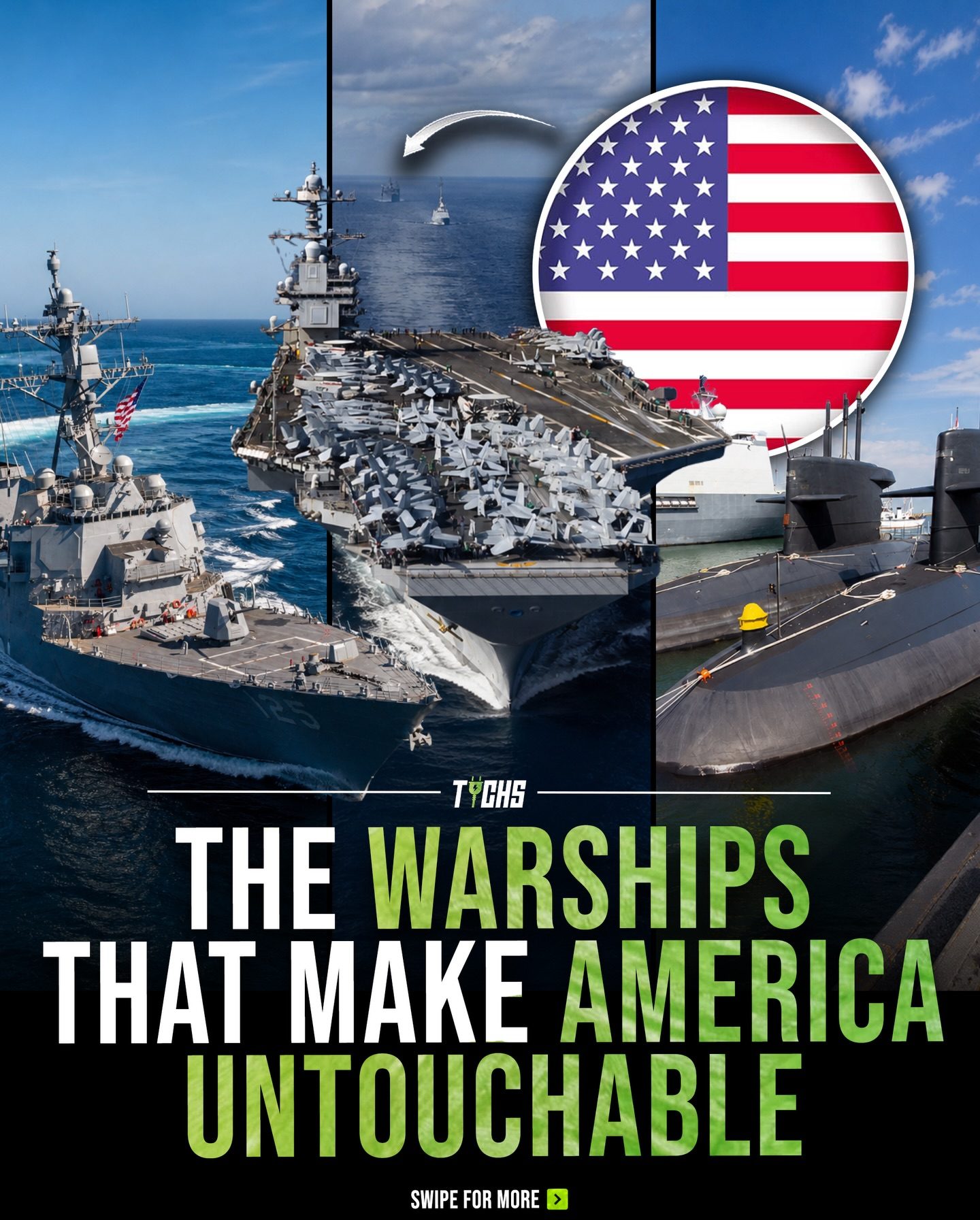
US Warships: The Fleet that Secures America's Naval Dominance
US naval power is a cornerstone of the country's defense strategy, and it's the advanced warships that make this possible. These vessels, equipped with cutting-edge technology, ensure America's dominance across the world's oceans. From aircraft carriers to amphibious assault ships, the fleet's capabilities are vast and varied. Here, we'll delve into the key classes of US warships, their roles, and what makes them indispensable to naval power.
Why This Matters
With over 90% of the world's trade transported by sea, securing maritime routes is crucial. The advanced warships of the US Navy protect these routes, ensuring the safe passage of goods and deterring potential threats. Moreover, these ships project power and influence, supporting diplomatic efforts and crisis response.
The Fleet's Key Classes
Aircraft Carriers
Leading the fleet are the aircraft carriers, the most powerful warships in the US Navy. The Gerald R. Ford-class, for instance, can carry over seventy-five aircraft, including F/A-18E/F Super Hornets and F-35C Lightning IIs. These carriers serve as mobile airbases, providing air support for forces on the ground and projecting power across vast distances.
Capabilities
- Aircraft Capacity: Over seventy-five aircraft.
- Mission: Air support, power projection, and force flexibility.
- Significance: Enables the Navy to respond rapidly to global crises and support allies.
Destroyers
Destroyers are multirole warships, combining air defense, anti-submarine warfare, and surface warfare capabilities. The Arleigh Burke-class, for example, is equipped with the SPY-6 radar for advanced air and missile defense, making it a crucial part of the fleet's defense.
Key Classes
- Arleigh Burke-Flight III: Displacement of around 9,000 to 9,700 tons, with over 90 missile capacity, and advanced radar.
- Zumwalt-class: Focused on stealth and land-attack capabilities, these ships use advanced technologies to operate undetected.
- Significance: Protect fleet and critical infrastructure, and strike targets.
Submarines
Submarines conduct clandestine operations, gathering intelligence, and providing a stealthy strike capability. The Virginia-class submarines, for example, are equipped with advanced sensors and weaponry, making them versatile tools for both combat and reconnaissance.
Key Classes
- Virginia-class: Multi-mission submarines designed for various combat and reconnaissance roles.
- Columbia-class: Nuclear-armed submarines, providing a strategic deterrent and ensuring second-strike capability.
- Significance: Conduct covert operations and ensure strategic stability.
Amphibious Assault Ships
Amphibious assault ships, such as the America-class, support large-scale Marine expeditionary missions. They can deploy F-35B jets and transport troops, vehicles, and equipment, making them essential for rapid power projection.
Capabilities
- Displacement: Around 45,000 tons.
- Aircraft: Can deploy F-35B jets.
- Mission: Marine expeditionary missions, power projection.
- Significance: Transport and deploy forces, support marine operations, and command joint missions.
Support Vessels
Other crucial components of the fleet include transport docks, which support amphibious operations, and next-generation frigates, which provide a cost-effective way to expand the fleet's capabilities. These support vessels ensure sustained operations and logistics.
Practical Tips for Understanding Naval Power
To fully appreciate the capabilities of US warships, consider the following points:
- Global Reach: The fleet can project power across vast distances, providing support for operations worldwide.
- Technological Advancement: The ships are equipped with cutting-edge technology, enhancing their effectiveness.
- Versatility: Each class of warship has unique capabilities, allowing the fleet to adapt to various missions.
- Stealth and Defense: Many ships, such as the Zumwalt-class destroyers, focus on stealth and advanced defense systems, enhancing their survivability and effectiveness.
Important Takeaways
The US Navy's fleet of warships combines advanced technology and strategic capabilities, ensuring naval dominance. Understanding these ships' roles and capabilities provides insight into how they protect maritime routes, project power, and support diplomatic efforts.
Conclusion
From aircraft carriers to amphibious assault ships, the US Navy's fleet is a testament to American naval power. These warships are not just vessels; they are critical tools in ensuring the country's defense, security, and global influence. By understanding their capabilities and significance, one can appreciate the profound impact they have on the world stage.
Watch the Reel
Questions readers ask
What are the primary roles of US aircraft carriers in securing naval dominance?
US aircraft carriers serve as mobile airbases, providing a quick response to crises, supporting diplomatic efforts, and projecting power worldwide. They can deploy fighter jets, helicopters, and other aircraft, ensuring America's ability to react to threats and provide humanitarian aid. Additionally, aircraft carriers are crucial for protecting global maritime routes and enforcing international law by maintaining a strong presence in strategic locations.
How do US Navy destroyers contribute to global maritime security?
US Navy destroyers, such as the Arleigh Burke class, are equipped with advanced missile defense systems and stealth capabilities, making them vital for protecting naval forces and critical infrastructure. They monitor and control vital sea lanes, ensuring the safe passage of goods and deterring threats. These destroyers also support humanitarian and crisis response missions, enhancing global maritime security.
What makes advanced US warships indispensable for naval power projection?
Advanced US warships are equipped with cutting-edge technology, enabling them to project power and influence globally. Their capabilities include advanced radar, sonar and communication systems, as well as stealth capabilities, which enhance their survivability and effectiveness. These warships ensure the safe passage of goods, provide crisis response, and support diplomatic efforts, making them essential for maintaining a strong naval presence.
How do amphibious assault ships support the US Navy's mission?
Amphibious assault ships enable the US Navy to project power and respond to crises swiftly. They can transport and deploy troops, vehicles, and equipment, playing a pivotal role in humanitarian missions and crisis response. These ships also provide a platform for medical facilities and support aircraft operations, enhancing the Navy's operational flexibility and reach.
What role does the US submarine fleet play in securing naval dominance?
The US submarine fleet is crucial for maintaining naval dominance, as it operates stealthily to gather intelligence, deter potential threats, and conduct covert operations. Submarines can monitor enemy activities, protect naval forces, and support special operations. Their ability to remain undetected makes them invaluable for maintaining a strategic advantage in global maritime security.
How do missile defense systems enhance the capabilities of US warships?
Missile defense systems on US warships, such as the Aegis system, provide a robust shield against incoming threats, including ballistic and cruise missiles. These systems enable warships to defend themselves, other naval assets, and critical infrastructure. They also contribute to the protection of allies and partners, enhancing the overall security of maritime routes and strategic locations.
What are the key capabilities that ensure US Navy fleet dominance?
US Navy fleet dominance is ensured through a combination of advanced technology, strategic presence, and operational flexibility. The fleet's capabilities include air and missile defense, stealth technology, advanced communication and sensor systems, and the ability to project power and influence. These elements work together to maintain control of the seas, protect global maritime routes, and support diplomatic and humanitarian efforts.
Related deep dives
Similar reads based on topic and creator.




Recent articles
Fresh deep dives from the latest Reels we unpacked.




Comments
Be the first to comment.