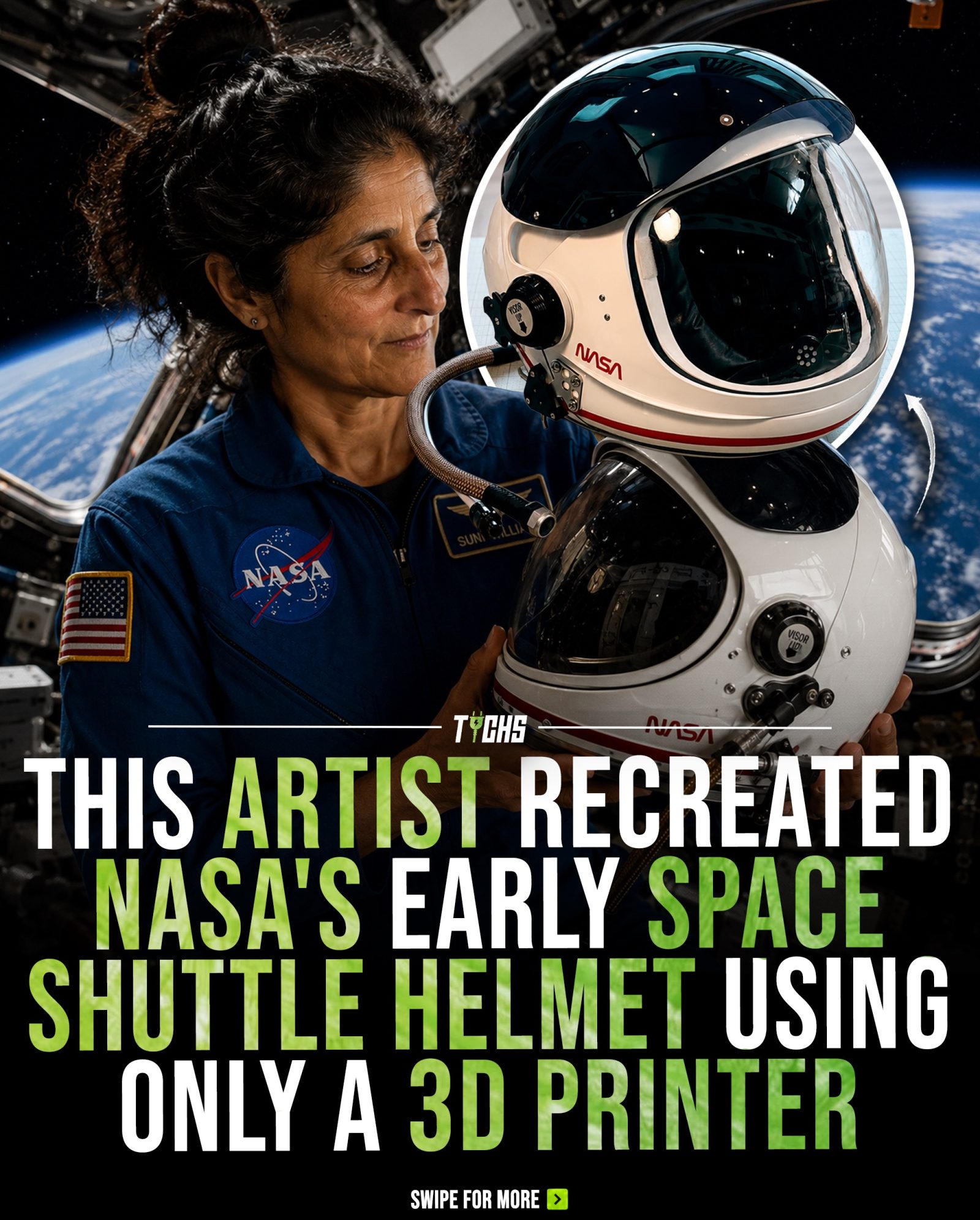
3D Printed Space Helmets: A Blend of Engineering and Craftsmanship
The 3D printed space helmet replica showcases how the intersection of engineering, craftsmanship, and modern technology can produce a highly accurate reproduction of a NASA space shuttle helmet. The project, based on the HGU-20/P helmet, demonstrates the capabilities of 3D printing in aerospace engineering.
Context: Why 3D Printed Space Helmets Matter
Space helmets, such as those used in NASA's early Space Shuttle era, are critical pieces of equipment that ensure the safety and survival of astronauts. These helmets need to be robust, comfortable, and designed to withstand the harsh conditions of space. The HGU-20/P helmet, also known as the "Shuttle Helmet," was one of NASA's earliest designs, designed for use during launch and entry. While these helmets are essential for space missions, they are also significant pieces of historical and engineering significance.
The 3D printing process allows for the creation of complex geometric shapes and intricate designs with high precision. This technology has revolutionized the manufacturing of prototypes and components in various industries, including aerospace. The ability to print a space helmet replica not only serves as a tribute to space exploration but also highlights the potential of 3D printing in creating functional and aesthetically pleasing replicas of historical equipment.
The 3D Printing Process
Design and Modeling
The process of creating a 3D printed space helmet replica involves several key steps. The first step is designing and modeling the helmet. For the HGU-20/P helmet, the artist used a reference helmet to ensure the dimensions and details were highly accurate. The modeling phase ensures that the digital design captures every nuance of the original helmet, including the shape, contours, and intricate details.
Material Selection
Choosing the right material is crucial for the success of the 3D printed helmet. Materials like PLA (Polylactic Acid) or ABS (Acrylonitrile Butadiene Styrene) are commonly used for 3D printing due to their durability and versatility. These materials can withstand the rigorous testing and use that aerospace equipment requires, making them suitable for creating detailed and functional replicas.
Printing and Assembly
The 3D printing process involves layering material to build the helmet. Once the digital design is complete, it is sent to a 3D printer, which then layers the material to create the helmet. After the helmet is printed, it may require some post-processing, such as sanding and painting, to achieve a polished finish. Assembly involves fitting the various components, such as the visor and ventilation mounts, to create a fully functional replica.
Practical Upgrades in 3D Printed Helmets
While the 3D printed helmet is designed to replicate the original HGU-20/P helmet, several practical upgrades were introduced to enhance functionality and comfort.
Ventilation System
One of the key upgrades is the addition of hidden ventilation fan mounts. The ventilation system is essential for maintaining the proper airflow inside the helmet, ensuring the wearer's comfort and preventing fogging of the visor. This upgrade allows for better airflow and improved comfort, making the helmet more suitable for prolonged use.
Magnetic Closures
Another practical upgrade is the use of magnetic clamshell closures instead of the original latch system. Magnetic closures provide a secure and easy-to-use fastening mechanism, making it simpler to put on and remove the helmet. This upgrade also enhances the overall design, contributing to the helmet's aesthetic appeal.
Improved Comfort
The comfort of the helmet was also a priority in the upgrade process. The designer incorporated ergonomic improvements to ensure the helmet fits comfortably on the wearer's head. These improvements make the helmet more wearable for extended periods, addressing concerns about discomfort and fatigue that could arise from wearing a helmet designed for aerospace use.
Important Takeaways
The 3D printed NASA space helmet replica is a testament to the capabilities of modern 3D printing. The helmet not only replicates the original design but also introduces practical upgrades that enhance its functionality and comfort. Here are some key takeaways from this project:
- Accuracy: The 3D printing process allows for the creation of highly accurate replicas of complex aerospace equipment. The digital modeling and precise layering of material ensure that the dimensions and details of the original helmet are faithfully replicated.
- Functionality: The introduction of ventilation systems, magnetic closures, and comfort enhancements demonstrates how 3D printing can be used to improve the functionality of historical equipment. These upgrades make the helmet more practical and comfortable to wear.
- Historical Significance: The HGU-20/P helmet is a significant piece of space history, and the ability to recreate it through 3D printing allows for a deeper appreciation of aerospace engineering and the advancements made in space exploration.
Conclusion
The 3D printed space helmet replica showcases the potential of modern technology in preserving and enhancing historical aerospace equipment. The blend of engineering, craftsmanship, and technology in this project highlights the versatility and precision of 3D printing, making it a valuable tool for recreating and improving historical artifacts. This replica not only serves as a tribute to NASA's early space explorations but also demonstrates the ongoing advancements in 3D printing technology.
Watch the Reel
Questions readers ask
What is the HGU-20/P helmet and why is it significant?
The HGU-20/P helmet, also known as the 'Shuttle Helmet,' is a historic design used by NASA during the early Space Shuttle era. It is significant because it was one of the first helmets designed to protect astronauts in the harsh conditions of space, ensuring their safety and survival during critical missions.
How does 3D printing contribute to aerospace engineering?
3D printing in aerospace engineering allows for the creation of intricate and complex shapes with high precision. This technology enables the production of detailed replicas, such as the NASA space shuttle helmet, and helps in prototyping and manufacturing parts that can withstand the rigorous demands of space travel.
What materials are typically used for 3D printing space-related artifacts?
3D printing space-related artifacts often involves using materials that mimic the properties of the original equipment. These materials might include high-strength plastics, resins, or even metals, depending on the specific requirements for durability, flexibility, and resistance to extreme conditions.
Can 3D printed space helmets be used in actual space missions?
While 3D printed space helmet replicas are highly accurate and can serve as valuable references or display pieces, they are not typically used in actual space missions. The original helmets, such as the HGU-20/P, undergo rigorous testing and certification processes to ensure they meet the stringent safety standards required for space travel.
How does an artist approach recreating a 3D printed space helmet?
An artist recreating a 3D printed space helmet, like the NASA HGU-20/P, begins by obtaining detailed measurements and digital models of the original helmet. They then use 3D modeling software to replicate these details, ensuring the replica is both accurate and visually compelling. The final step involves 3D printing the model using appropriate materials.
What are the benefits of using 3D printing for historical space artifacts?
Using 3D printing for historical space artifacts allows for the preservation and dissemination of historical designs. It enables the creation of accurate replicas that can be studied, displayed, and used for research without risking damage to the original artifacts. Additionally, 3D printing makes it possible to produce multiple copies for widespread access and study.
How does modern technology enhance the craftsmanship of 3D printed space helmets?
Modern technology, such as advanced 3D printers and high-resolution scans, enhances the craftsmanship of 3D printed space helmets by providing precise tools for replication. These tools allow artists and engineers to capture and recreate intricate details with a level of accuracy that would be difficult to achieve through traditional methods alone.
Related deep dives
Similar reads based on topic and creator.




Recent articles
Fresh deep dives from the latest Reels we unpacked.




Comments
Be the first to comment.