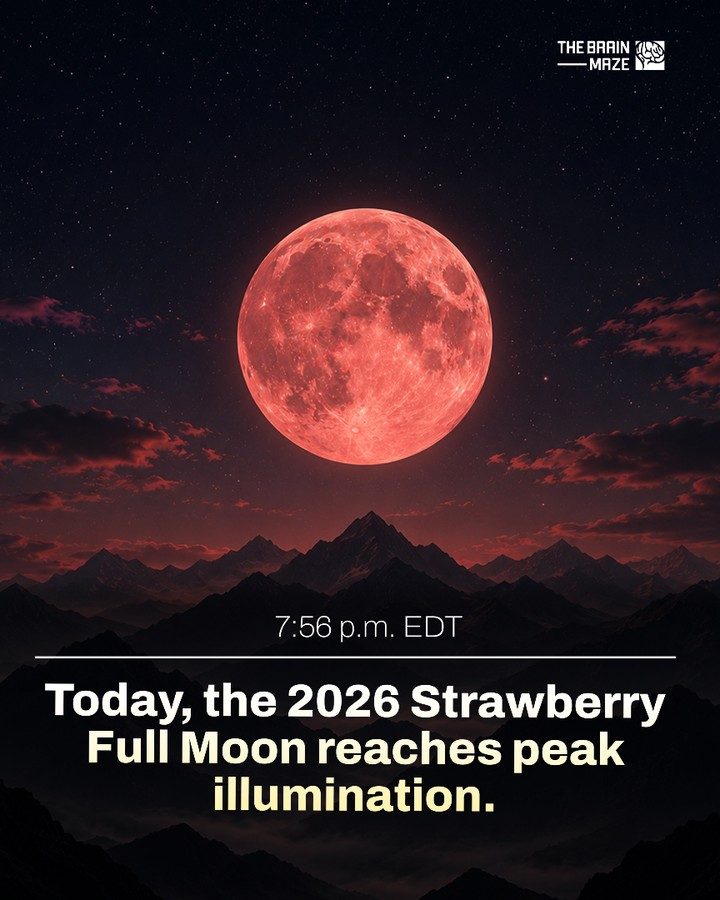
The 2026 Strawberry Full Moon
Today, the 2026 Strawberry Full Moon reaches its peak illumination at 7:56 p.m. EDT. This celestial event is more than just a full moon; it marks a significant moment in the annual cycle, deeply rooted in cultural and natural history.
Why This Matters
The Strawberry Moon is named after the wild strawberry harvest season, a tradition passed down through generations by Native American communities. It serves as a seasonal milestone, a reminder of the natural rhythms that connect us to Earth and the cosmos. Whether viewed through a telescope or with the naked eye, the Strawberry Moon offers a unique and breathtaking sight.
The Strawberry Moon: History and Significance
Origins and Naming
The term "Strawberry Moon" originates from the Native American tradition, particularly the Algonquin tribes. The full moon in June is often called the Strawberry Moon because it coincides with the peak of the wild strawberry harvest. This time of year is crucial for gathering ripened berries, which were a vital food source for many indigenous communities.
Astronomical Significance
Astronomically, the Strawberry Moon is simply the full moon that occurs in June. However, what makes this particular full moon special is its timing and its cultural significance. The full moon occurs when the moon is on the opposite side of the Earth from the sun, resulting in the moon being fully illuminated as seen from Earth. This phenomenon happens every 29.5 days, but the specific timing and alignment make the Strawberry Moon a standout event.
Viewing the Strawberry Moon
Best Practices for Viewing
Ideal Locations
To fully appreciate the Strawberry Moon, it is best viewed from a location with minimal light pollution. Remote areas, open fields, or higher elevations can provide the best vantage points to see the moon's radiant glow.
Equipment and Tools
While the naked eye will allow you to see the Strawberry Moon, using a telescope or a pair of binoculars can provide a more detailed view. Telescopes with higher magnification can reveal the craters, mountains, and other topographical features of the moon. Binoculars offer a more portable and user-friendly way to view the moon and can be especially useful for capturing the moon's overall beauty.
Tips for Photographing the Moon
For those interested in capturing the Strawberry Moon in photographs, the following tips can be helpful:
1. **Use a Tripod**: A tripod will help stabilize your camera, reducing blur and allowing for longer exposure times.
2. **Zoom In**: Use a zoom lens to get a closer view of the moon. A telephoto lens with a focal length of at least 200mm is ideal.
3. **Adjust Settings**: Experiment with different camera settings, such as ISO, shutter speed, and aperture, to achieve the best results. A lower ISO and a faster shutter speed can help capture the moon's details without overexposing it.
4. **Capture the Scene**: While the moon is the main attraction, incorporating the surrounding landscape or cityscape can add context and depth to your photos.
The Strawberry Moon and Nature
Connection to the Wild Strawberry Harvest
The Strawberry Moon is a natural reminder of the wild strawberry harvest season, providing a unique connection between the celestial and earthly realms. This connection serves as a cultural and biological marker, aligning the cycles of nature with the celestial calendar.
Environmental and Cultural Significance
For Native American communities, the Strawberry Moon has deep cultural significance. It is a time to celebrate the abundance of nature and the interconnectedness of all living things. The moon serves as a beacon, guiding the community through the seasons and reminding them of their historical traditions and rituals.
Practical Tips for Observing the Strawberry Moon
Preparation
1. **Check the Weather**: Clear skies are crucial for optimal viewing. Check the weather forecast to ensure you have a clear night.
2. **Plan Ahead**: If you plan to travel to a remote location, make sure to plan your journey and gear accordingly.
3. **Bring Snacks and Water**: If you're staying out late, bring snacks and water to stay energized and hydrated.
Enhance the Experience
1. **Join a Group**: If possible, join a local astronomy club or group for a shared viewing experience.
2. **Read Stories**: Learning about the myths and legends surrounding the Strawberry Moon can enrich your viewing experience.
3. **Create Rituals**: Whether it's a simple meditation or a more elaborate ceremony, creating rituals around the Strawberry Moon can deepen your connection to nature and the cosmos.
Important Takeaways
The 2026 Strawberry Full Moon is not just a celestial event; it is a cultural milestone that connects us to our natural and historical roots. By observing this event, we can gain a deeper appreciation for the timeless rhythms that govern our world and the significance of ancient traditions.
Conclusion
The 2026 Strawberry Full Moon offers a rare and beautiful opportunity to connect with nature and the cosmos. Whether you view it through a telescope or with the naked eye, this celestial event serves as a reminder of the timeless rhythms that govern our world. Take a moment to appreciate the beauty and significance of the Strawberry Moon, and let it inspire you to explore the wonders of the night sky.
Watch the Reel
Questions readers ask
What is the best time to view the 2026 Strawberry Moon?
The peak of the 2026 Strawberry Moon occurs at 7:56 p.m. EDT. This is the ideal time to view the full moon at its brightest and most illuminated. However, the moon will still be visible in the days leading up to and following this peak.
Why is it called the Strawberry Moon?
The Strawberry Moon gets its name from the wild strawberry harvest season, a tradition recognized by many Native American communities. The June full moon serves as a seasonal marker, indicating the time for strawberry picking and the beginning of summer.
How can I get the best view of the 2026 Strawberry Moon?
To fully appreciate the 2026 Strawberry Moon, find a location with minimal light pollution. This could be a rural area, a park away from city lights, or even a high vantage point in a neighborhood. Consider using a telescope or binoculars for a closer look at the moon's details.
What if I can't view the Strawberry Moon at the exact peak time?
Don't worry if you can't view the Strawberry Moon at the exact peak time. The moon will still appear full and bright in the days before and after the peak. The best time to view the full moon is typically from moonrise to when the moon is highest in the sky.
Is the Strawberry Moon a rare celestial event?
The Strawberry Moon is not rare; it occurs every year in June. However, it is one of the most beautiful and culturally significant celestial events. It provides an opportunity to connect with the natural rhythms and cultural heritage associated with the full moon.
What are the origins of the Strawberry Moon?
The term “Strawberry Moon” originates from Native American traditions, which named the full moon in June after the wild strawberry harvest season. This naming convention has been used by various Native American tribes to relate the natural world and the cycles of the moon to their own harvesting activities.
Related deep dives
Similar reads based on topic and creator.




Recent articles
Fresh deep dives from the latest Reels we unpacked.




Comments
Be the first to comment.