The 1924 Historic Chess Match: A Giant Board and Soldiers in Lenin
The 1924 Chess Match in Leningrad
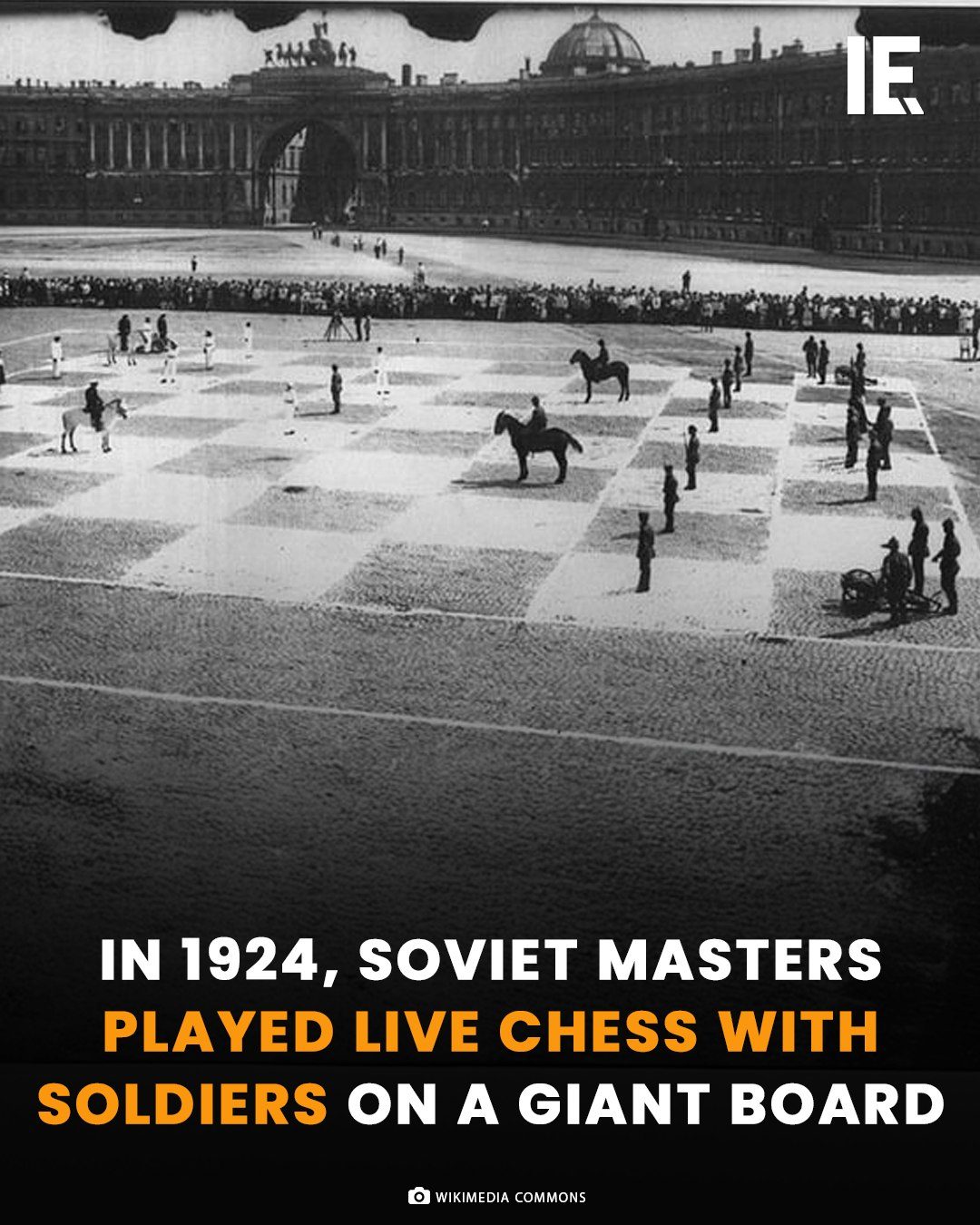
In 1924, Leningrad’s Palace Square hosted an extraordinary chess event. The match featured a giant chessboard, real soldiers, horses, and telephones — transforming a strategic game into a live, public spectacle. The five-hour game between masters Romanovsky and Rabinovich captivated the city's citizens.
The Concept and Context
The concept of a live chess match with real people serving as the pieces was more than just a curiosity; the 1924 chess match showcased a pivotal effort to popularize chess across the Soviet Union, designed to be both an event and a tool for public engagement. It was a remarkable display of the game’s potential to engage and entertain a broad audience.
The game was part of a broader cultural effort to promote chess in the Soviet Union. The Soviets believed in the strategic and intellectual benefits of chess, and saw the game as a way to engage the population in a positive and intellectually stimulating activity. By staging such a dramatic display, they aimed to make chess accessible and appealing to a wide audience, including those who might not normally engage with the game.
The choice of a giant chessboard and real soldiers as pieces was a bold move, turning a cerebral pastime into a visual and dramatic spectacle. This approach not only made the game more accessible to the public but also elevated it to a form of theater, drawing a large crowd and turning the streets of Leningrad into a stage.
The Game and the Players
The players were both highly regarded chess masters. One of them, Alexander Romanovsky, was a renowned Soviet chess player and author. He was known for his contributions to chess theory and was a respected figure in the Soviet chess community. The other player, Georgy Rabinovich, was a talented player and a prominent figure in Soviet chess circles. Both players brought their strategic prowess and competitive spirit to the match.
Alexander Romanovsky's stature in Soviet chess circles meant that his participation added a layer of legitimacy and prestige to the event. The match was not just a public display but a genuine chess competition, indicative of the era's solid commitment to promoting intellectual pursuits.
The game itself ended in a draw. This result, coupled with the spectacle of the event, underscored the match's dual purpose of promoting chess and entertaining the public.
The Impact and Legacy
Public Engagement
The match turned chess into a public event, drawing a significant crowd and transforming a strategic game into a live, public spectacle. This public engagement was a significant achievement for chess, which was traditionally seen as an intellectual pastime for the elite. By making it a public event, the Soviet authorities effectively democratized chess, making it accessible to a broader audience.
The presence of real soldiers and horses as chess pieces added a unique and memorable element to the event. It made the game more visually exciting and engaging, turning chess into a hybrid of strategy and theater.
Cultural Significance
The 1924 chess match holds a unique place in the history of chess and the Soviet Union. It was more than just a game; it was a statement about the role of intellectual pursuits in society and a way to engage the public in a meaningful activity.
The event marked a significant step in the popularization of chess across the USSR. By staging such a dramatic and public display, the Soviet authorities demonstrated their commitment to promoting intellectual and strategic thinking through chess. The match served as a catalyst for increasing interest in chess, leading to more widespread participation and a greater appreciation for the game.
Practical Tips for Recreating a Public Chess Event
Creating a public chess event, much like the 1924 match, involves careful planning and execution. Here are some practical tips to help you organize a similar event:
Choose the Right Venue
Choosing the right venue is crucial. The venue should be spacious enough to accommodate a large chessboard and attract a significant crowd. A public square or a park, similar to Leningrad’s Palace Square, can be an excellent choice.
Use Visual Aids
The 1924 match used real soldiers, horses, and telephones as chess pieces, turning the game into a visual spectacle. You can also use oversized chess pieces or human players to make the game more engaging and visually appealing. The visual aids should be chosen to fit the theme and the overall concept of the event.
Promote the Event
Promoting the event effectively is crucial for attracting a large audience. Use social media, local newspapers, and community bulletin boards to spread the word. Highlight the unique and engaging aspects of the event to generate interest and excitement.
Ensure Clear Rules and Communication
Ensure that the rules of the game and the objectives of the event are clearly communicated to the public. Provide explanations of the game and its significance, making it accessible to both chess enthusiasts and those who are new to the game.
Engage the Audience
Encourage audience participation, even if it’s just through cheering and providing feedback. The 1924 match was a live event, and the audience’s participation added to the excitement and engagement. Consider allowing the audience to vote on strategic decisions or choose the next moves, making them part of the game.
Hire Professional Players
Playing the game requires skill and experience. Consider hiring professional chess players or organizers to ensure a high level of play and a seamless event execution. Professional players can also add credibility and prestige to the event, making it more attractive to the public.
Document the Event
Documenting the event through photos, videos, and social media posts can help promote future events and keep the excitement alive. Share the highlights and memorable moments, showcasing the unique and engaging aspects of the event.
Important Takeaways
The 1924 chess match in Leningrad’s Palace Square was a groundbreaking event in the history of chess. The event showcased the game’s potential to be both a strategic pastime and a public spectacle, engaging a wider audience and promoting intellectual pursuits. The use of real soldiers, horses, and telephones as chess pieces turned the game into a visual and dramatic spectacle, transforming the streets of Leningrad into a stage.
The event marked a significant effort to popularize chess in the Soviet Union, demonstrating the authorities' commitment to promoting intellectual and strategic thinking. The match's impact extended beyond the game itself, inspiring increased participation and a greater appreciation for the game.
Conclusion
The 1924 chess match in Leningrad’s Palace Square stands as a testament to the power of strategic thinking and public engagement. By transforming chess into a live, public spectacle, the Soviet authorities successfully promoted the game and captivated the public. The event's impact on chess and public engagement remains a significant legacy, continuing to inspire new ways of popularizing and enjoying the game.
As chess continues to evolve, the legacy of the 1924 match serves as a reminder of the game's potential to engage, entertain, and inspire.
Watch the Reel
Questions readers ask
Who were the players in the 1924 chess match in Leningrad's Palace Square?
The players in the 1924 chess match were masters Alexander Romanovsky and Peter Rabinovich. They competed in a highly publicized and strategically significant event.
How were the chess pieces represented in the 1924 chess match?
In this historic chess match, the chess pieces were represented by real soldiers and horses, with each player commanding their respective pieces on a colossal chessboard laid out in the square.
What was the purpose of the 1924 chess match in Leningrad?
The purpose of the 1924 chess match was to engage the masses and promote chess as a popular, intellectually stimulating activity. This event was part of a broader effort to popularize the game across the Soviet Union.
How long did the 1924 chess match in Leningrad last?
The 1924 chess match in Leningrad's Palace Square lasted for five hours. This extended duration added to the spectacle and public engagement, making it a memorable event for the city.
What unique elements were incorporated into the 1924 chess match?
Unique elements incorporated into the 1924 chess match included the use of a giant chessboard, real soldiers and horses serving as the pieces, and telephones for communication between players. These elements transformed the strategic game into a live, public spectacle.
Why was the 1924 chess match considered a significant event in Soviet history?
The 1924 chess match in Leningrad's Palace Square was considered significant because it showcased the game's potential to engage and entertain a broad audience. It was a pivotal effort to popularize chess and promote public engagement with the activity.
Related deep dives
Similar reads based on topic and creator.

Recent articles
Fresh deep dives from the latest Reels we unpacked.




Comments
Be the first to comment.