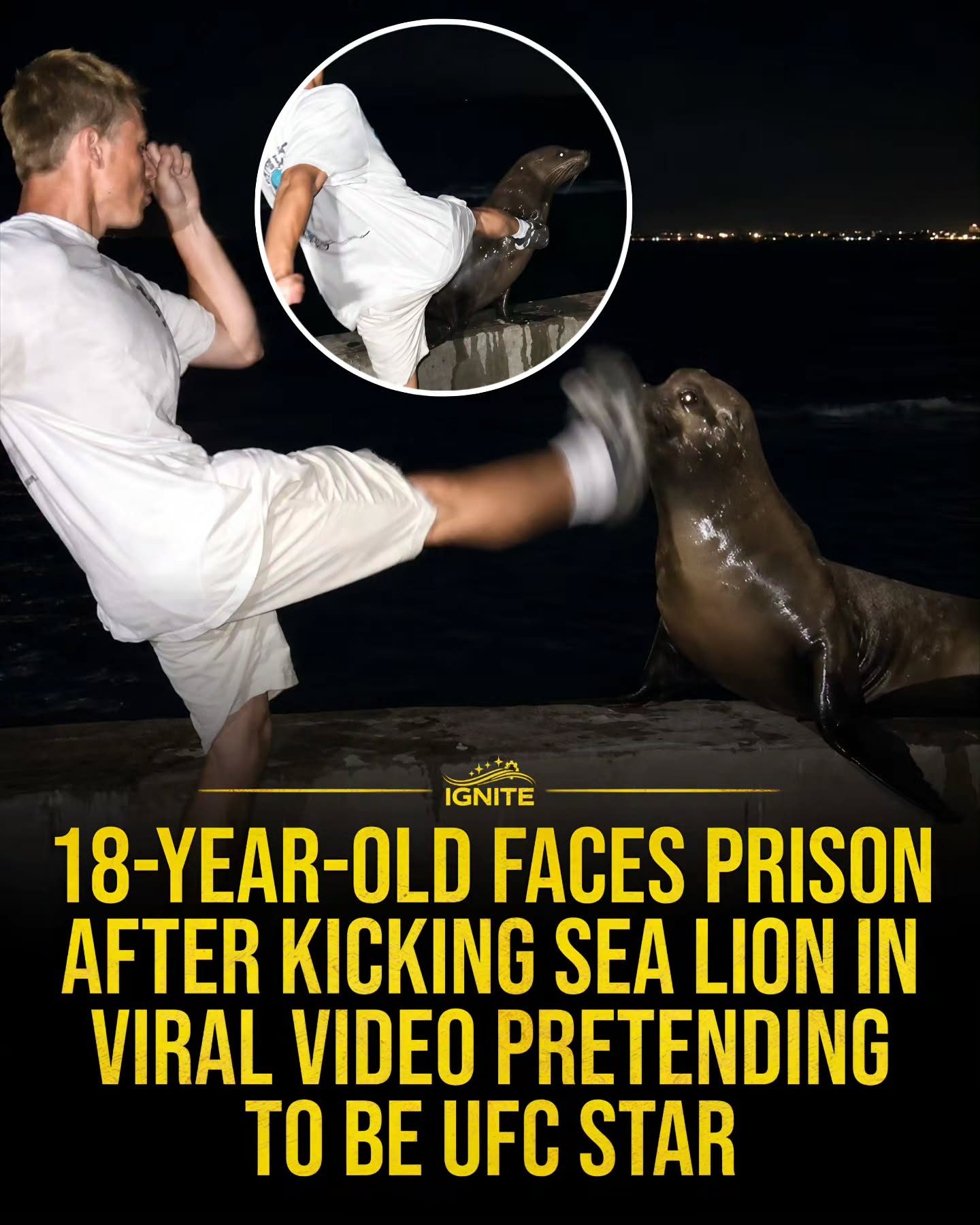
An 18-Year-Old Faces Prison After Kicking a Sea Lion in a Viral Video
An 18-year-old is currently facing serious legal consequences after a viral video showed him kicking a sea lion while pretending to be a UFC fighter. The incident, which took place on a beach at night, has sparked outrage and raised important questions about wildlife interaction, public safety, and the consequences of viral content.
Why This Matters
The incident involving the 18-year-old and the sea lion highlights several critical issues that deserve attention. First, it underscores the potential dangers of approaching and interacting with wild animals, particularly marine life, without proper knowledge and respect. Second, it brings to light the serious legal and ethical implications of sharing and circulating harmful content on social media platforms. Lastly, it serves as a stark reminder of the responsibility that comes with public figures and influencers, who often have a significant impact on their followers' actions and perceptions.
The Incident and Its Aftermath
The Event
The viral video features a man in a white outfit aggressively kicking a sea lion on a beach at night. The act, which was reportedly done while pretending to be a UFC star, quickly went viral, drawing widespread condemnation from viewers and animal welfare advocates alike.
Legal Consequences
The man, an 18-year-old, is currently facing prison charges. The exact nature of the charges varies depending on the jurisdiction, but they typically include animal cruelty, public endangerment, and potentially more serious charges related to the intentional harm of wildlife.
Public Reaction
The public reaction to the video has been overwhelmingly negative. Many viewers expressed shock and disgust at the act of violence against the sea lion, while others criticized the man for his irresponsible behavior. The incident has also sparked conversations about the role of social media in promoting harmful behavior, as well as the need for stricter regulations on content that endangers wildlife and public safety.
The Role of Social Media
Social media platforms have become a powerful tool for sharing information, but they also have the potential to disseminate harmful content. The viral nature of the sea lion kicking video highlights the need for better content moderation and user education on the consequences of sharing such material.
Content Moderation
Social media platforms have a responsibility to monitor and remove content that promotes harmful or illegal activities. In the case of the sea lion kicking video, swift action was taken to remove the video and prevent further dissemination, but not before it had already garnered significant attention.
User Education
Platforms also have a role to play in educating users about the potential consequences of sharing harmful content. This includes providing clear guidelines on what is and isn't acceptable, as well as the legal and ethical implications of sharing such material.
Wildlife Interaction and Safety
The incident also raises important questions about wildlife interaction and safety. Sea lions, like many marine animals, are protected by various laws and regulations designed to safeguard their well-being.
Laws and Regulations
Different countries have different laws regarding the interaction with and treatment of wildlife. In the United States, for example, the Marine Mammal Protection Act prohibits the harassment, hunting, capturing, killing, or attempting to do so of marine mammals. Similarly, Canada has the Marine Mammal Regulations, which outline rules for interaction with marine mammals.
Best Practices for Wildlife Interaction
When interacting with wildlife, especially marine animals, it's crucial to follow best practices to ensure both your safety and the animal's well-being. This includes:
- Maintain a Safe Distance: Always keep a safe distance from wildlife to avoid disturbing or harming them.
- Do Not Feed Wildlife: Feeding wildlife can alter their natural behaviors and make them dependent on human food.
- Respect Wildlife Habitat: Be mindful of your surroundings and avoid damaging or disturbing the natural habitat of wildlife.
- Follow Local Regulations: Always adhere to local laws and regulations regarding wildlife interaction.
Practical Tips for Responsible Content Creation
For content creators and influencers, it's essential to recognize the impact of their actions and the content they share. Here are some practical tips for responsible content creation:
Think Before You Post
Before sharing any content, especially videos or images involving wildlife or public spaces, consider the potential consequences. Ask yourself if the content is safe, legal, and respectful.
Educate Your Audience
Use your platform to educate your audience about responsible behavior and the importance of wildlife conservation. Share tips, guidelines, and best practices for interacting with wildlife and promoting public safety.
Monitor Comments and Feedback
Pay close attention to the comments and feedback you receive on your content. This can provide valuable insights into the impact of your actions and help you make more informed decisions in the future.
Important Takeaways
The incident involving the 18-year-old and the sea lion serves as a sobering reminder of the consequences of irresponsible behavior and the power of social media. It underscores the importance of:
- Respecting Wildlife: Always treat wildlife with respect and follow best practices for interaction.
- Understanding Legal Implications: Be aware of the legal and ethical implications of your actions, especially when they involve wildlife or public safety.
- Promoting Responsible Content: Use your platform to promote responsible behavior and educate your audience about the importance of wildlife conservation and public safety.
Conclusion
The viral video of an 18-year-old kicking a sea lion while pretending to be a UFC star has sparked an important conversation about wildlife interaction, public safety, and the consequences of viral content. As we continue to navigate the complexities of social media and content creation, it's essential to remember the responsibility that comes with our actions and the impact they can have on others and the environment. By promoting responsible behavior and educating ourselves and others, we can help create a safer, more respectful world for everyone.
Watch the Reel
Questions readers ask
What legal consequences might the 18-year-old face for kicking the sea lion?
The 18-year-old could face prison time and fines. Wildlife harassment is a federal crime under the Marine Mammal Protection Act, punishable by up to one year in prison and fines up to $100,000. Additionally he may face state charges for animal cruelty.
Why is interacting with wild animals like sea lions dangerous?
Wild animals like sea lions can be unpredictable and may carry diseases. They are also protected by law, and interacting with them can disrupt their natural behaviors and cause them stress. Additionally, it can put your own safety at risk, as sea lions have strong jaws and sharp teeth.
What should you do if you encounter a sea lion on the beach?
If you encounter a sea lion on the beach, it's best to keep a safe distance of at least 50 yards. Never approach, feed, or attempt to touch the animal. If the sea lion appears injured or in distress, contact local wildlife authorities immediately.
What are the potential consequences of sharing or viewing wildlife harassment videos?
Sharing or viewing wildlife harassment videos can contribute to the exploitation of animals and encourage harmful behavior. It can also have legal implications, as viewing and sharing such content may be considered aiding and abetting a crime.
What should I do if I witness someone harassing a wild animal?
If you witness someone harassing a wild animal, it's important to document the incident and report it to local authorities or wildlife management agencies. Do not attempt to intervene yourself, as this could escalate the situation and put you in danger.
What are the key issues highlighted by this incident?
The incident involving the 18-year-old and the sea lion highlights the potential dangers of approaching and interacting with wild animals. It also brings to light the serious legal and ethical implications of sharing and circulating viral content that promotes animal cruelty.
Related deep dives
Similar reads based on topic and creator.




Recent articles
Fresh deep dives from the latest Reels we unpacked.



Comments
Be the first to comment.