Sustainable Electric Motors: The Future of Eco-Friendly Transportation
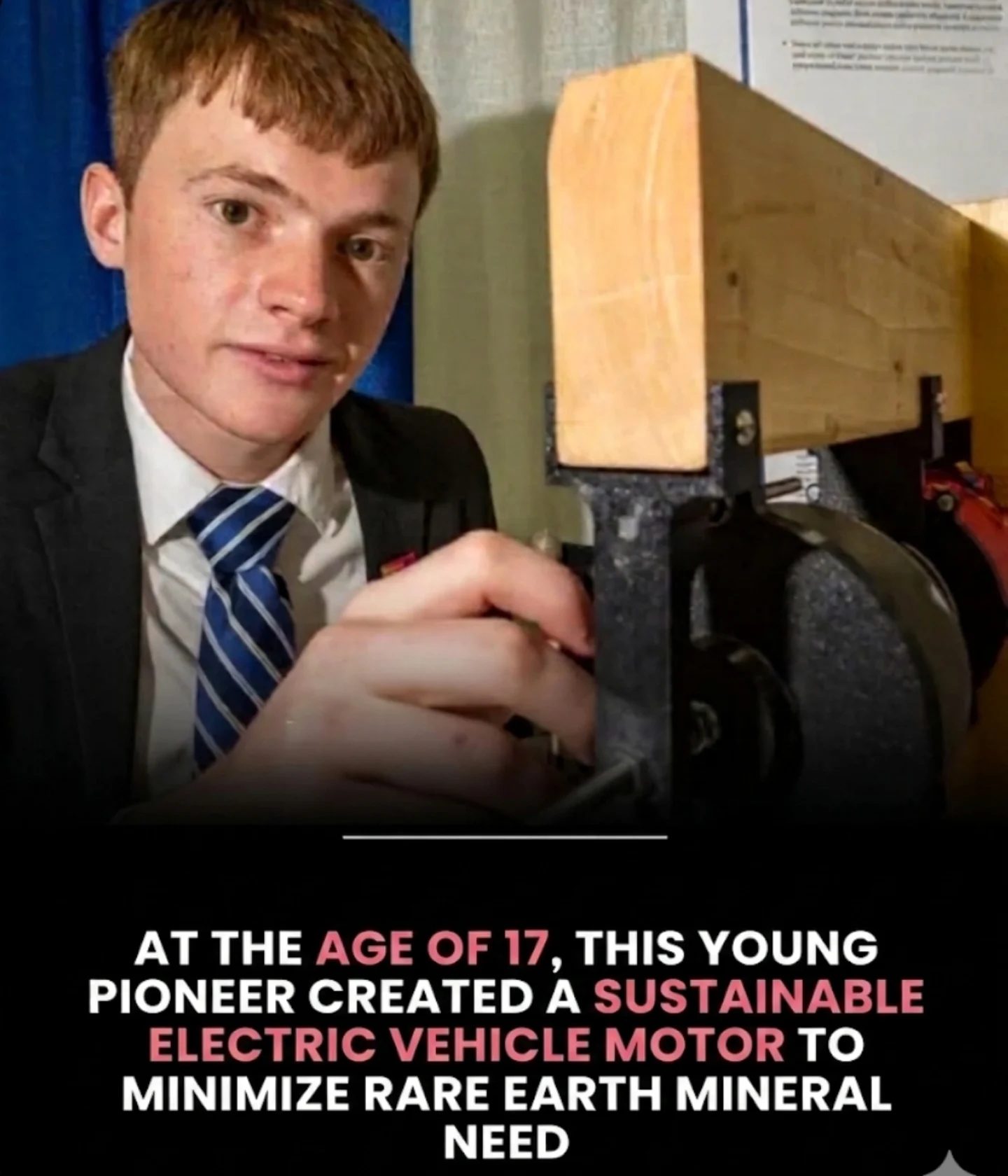
Electric motors are crucial components in the electric vehicle industry, but their dependency on rare earth minerals poses significant environmental and geopolitical challenges. These minerals, essential for the permanent magnets in most electric motors, are primarily sourced from a few countries, leading to supply chain vulnerabilities and environmental degradation. Fortunately, innovative solutions are emerging to address these issues, with one standout example being the work of 17-year-old Robert Sansone.
Why This Matters
The need for sustainable electric motors is more pressing than ever. The transportation sector is a major contributor to greenhouse gas emissions, and the shift towards electric vehicles (EVs) is a critical step in reducing this impact. However, the reliance on rare earth minerals for EV motors introduces new problems. Mining these minerals often involves environmentally destructive practices, and the geopolitical concentration of these resources can lead to supply chain disruptions and price volatility.
The Innovation: Synchronous Reluctance Motors
Robert Sansone’s breakthrough comes in the form of a synchronous reluctance motor. Unlike traditional electric motors that rely on permanent magnets containing rare earth elements, Sansone's design operates without these magnets. This innovation significantly reduces the environmental footprint of electric motors and mitigates the risks associated with rare earth mineral supply chains.
How It Works
Synchronous reluctance motors function by exploiting the difference in magnetic reluctance between the rotor and stator. This difference creates a torque that drives the motor. By reimagining the internal architecture of the motor, Sansone has developed a design that avoids the need for permanent magnets altogether. This not only eliminates the dependency on rare earth minerals but also opens up new possibilities for high-performance, eco-friendly mobility solutions.
Environmental Benefits
The environmental benefits of Sansone's motor are substantial. By eliminating the need for rare earth minerals, the motor reduces the environmental impact of mining operations. These operations are often associated with deforestation, water pollution, and other forms of environmental degradation. Additionally, the motor's design contributes to a more circular economy, where resources are used more efficiently and waste is minimized.
Performance and Efficiency
Despite the absence of permanent magnets, Sansone's synchronous reluctance motor does not compromise on performance. In fact, it offers several advantages over traditional motors. The motor's design allows for higher efficiency, reduced energy losses, and improved thermal management. These characteristics make it an attractive option for electric vehicle manufacturers looking to enhance the range and performance of their vehicles.
Practical Tips for Adopting Sustainable Electric Motors
For those interested in adopting sustainable electric motors, there are several practical steps to consider:
Research and Development
Investing in research and development (R&D) is crucial for advancing sustainable motor technologies. Collaborations between academic institutions, industry leaders, and innovative startups can accelerate the development of eco-friendly motor solutions. Government incentives and funding programs can also play a significant role in fostering innovation in this area.
Supply Chain Diversification
Diversifying the supply chain for motor components can help reduce dependency on rare earth minerals. This involves exploring alternative materials and manufacturing processes that minimize the use of these resources. By diversifying the supply chain, manufacturers can mitigate risks associated with geopolitical tensions and ensure a more stable supply of materials.
Policy and Regulation
Government policies and regulations can drive the adoption of sustainable electric motors. Incentives for the development and deployment of eco-friendly motor technologies, as well as stringent regulations on mining practices, can encourage manufacturers to adopt more sustainable solutions. Policymakers play a critical role in creating a supportive environment for sustainable innovation.
Consumer Awareness
Raising awareness among consumers about the environmental benefits of sustainable electric motors can drive demand for these technologies. Consumers who are informed about the issues associated with rare earth mining and the advantages of sustainable motors are more likely to support and adopt these innovations.
Important Takeaways
Sansone’s synchronous reluctance motor represents a significant step forward in the quest for sustainable electric transportation. By eliminating the need for rare earth minerals, this innovation addresses critical environmental and geopolitical challenges. The motor's high performance and efficiency make it a viable option for electric vehicle manufacturers, paving the way for a more sustainable future.
Conclusion
The future of electric transportation lies in innovative solutions that prioritize sustainability and environmental responsibility. Robert Sansone's synchronous reluctance motor is a testament to the potential of young innovators to drive meaningful change. As we continue to explore and adopt sustainable motor technologies, we move closer to a future where high-performance mobility is no longer dependent on destructive extraction practices. By embracing these innovations, we can create a more sustainable and independent technological frontier that benefits both our environment and our economy.
Watch the Reel
Questions readers ask
What are rare earth minerals and why are they a concern for electric motors?
Rare earth minerals are a set of 17 elements crucial for the production of permanent magnets used in most electric motors. The concern lies in their limited global supply, as they are primarily sourced from a few countries, leading to geopolitical tensions and environmental degradation from mining activities.
How does Robert Sansone's invention address these challenges?
Robert Sansone's invention addresses these challenges by creating a rare-earth-free electric motor. His design aims to reduce the environmental impact of mining and mitigate supply chain vulnerabilities by eliminating the need for rare earth minerals.
What are the main benefits of a rare-earth-free electric motor?
The main benefits of a rare-earth-free electric motor include reduced environmental impact, decreased geopolitical risk, and improved sustainability in the electric vehicle industry.
Why are sustainable electric motors important for the future of transportation?
Sustainable electric motors are vital for reducing greenhouse gas emissions in the transportation sector. By addressing the environmental and geopolitical challenges posed by traditional electric motors, sustainable alternatives can promote a cleaner, more secure energy future.
What makes Robert Sansone's invention significant at his age?
Robert Sansone's invention is significant because it demonstrates that innovative solutions to complex problems can come from unexpected sources. His work highlights the potential for young inventors to drive progress in crucial areas like sustainable transportation.
Related deep dives
Similar reads based on topic and creator.




Recent articles
Fresh deep dives from the latest Reels we unpacked.




Comments
Be the first to comment.