A Day in the Life of a Lifeguard: Rescue and Rip Current Awareness
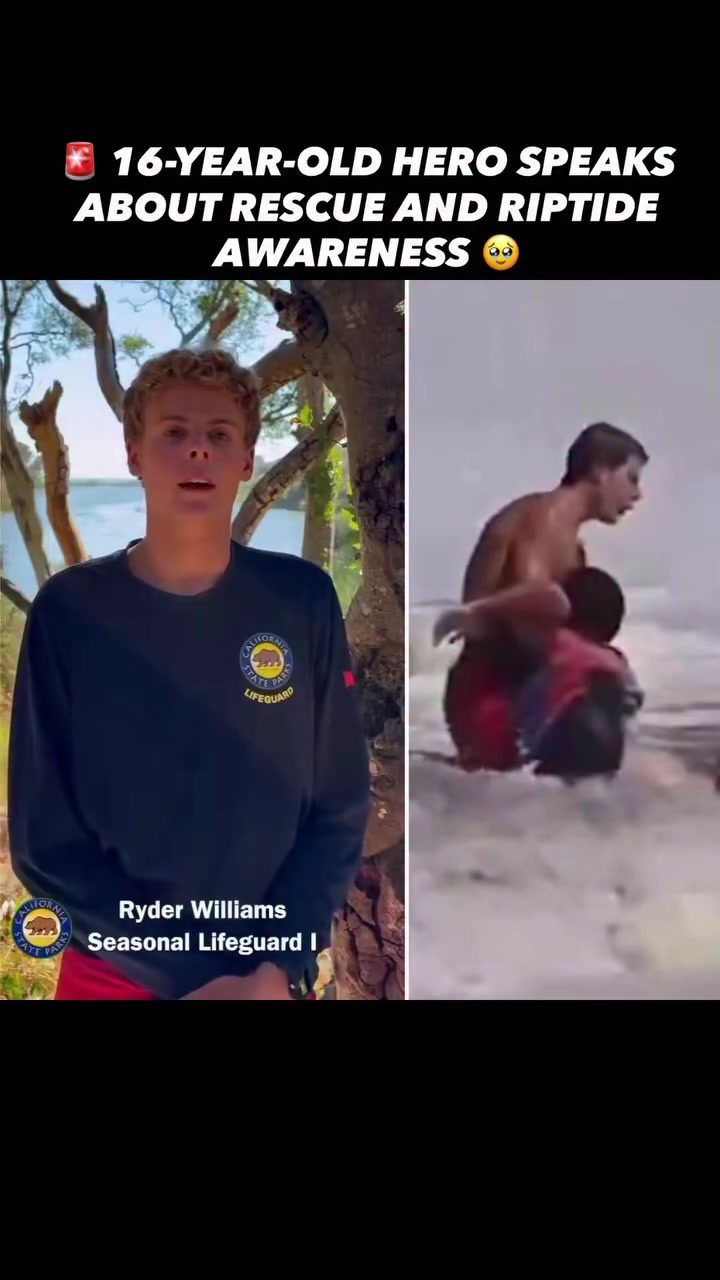
Every day, lifeguards across the world play a crucial role in ensuring the safety of beachgoers. One such lifeguard, Ryder Williams of California State Parks, shares his experiences on a typical day at work, highlighting the importance of rip current awareness and the critical role of teamwork in lifeguard rescues.
Context / Why this matters
Rip currents, often mistakenly referred to as "riptides" or "undertows," are powerful, channelized currents of water flowing away from the shore. These currents can move at speeds of up to eight feet per second, faster than even the strongest Olympic swimmers. Understanding how to identify and avoid rip currents is essential for anyone venturing into the ocean. Lifeguards like Ryder Williams are on the front lines, ready to respond to emergencies and educate the public about water safety.
Main discussion
The importance of vigilance
Ryder Williams' typical day involves constant vigilance. He meticulously scans the water to identify anyone in need of assistance. During one such incident, he noticed a young boy being swept away by a rip current at a low point on the beach. "I looked up and saw a young boy get swept off his feet," Williams recounts. "I started running up the beach as he got pulled out."
The challenges of this rescue were compounded by the proximity to the shore. "Fins were ineffective because it was so close in," Williams explains. "I could see waves on the outside."
Executing a rescue
As Williams approached the child, he quickly assessed the situation. "As I grabbed the child, he went limp, so I was thinking about if he was unconscious or not," he recalls. "I really needed to go in."
Lifeguards are trained to maintain a calm and composed demeanor during rescues. Williams' focus was on holding his position until his partner could assist. "The whole time, I was thinking, 'I just need to hold my position until my partner can get here because I'm not going to be able to get him out on my own,'" he says. "We get a good grip on the child and not get sucked out any further. My partner mostly takes over, holding the child because at this point my arms were very exhausted from holding on. I still support him as much as I can as we drag him out of the water."
The importance of teamwork
Williams emphasizes the importance of teamwork in lifeguarding. "That is just a part of our daily task to do," he says. "We can keep the public safe. That's the reason we're on the beach."
After the rescue, Williams returned to his tower and continued with safety contacts, making more rescues later that day. "Together that day, we had many units on and all the tower staff. All the towers with the units driving through to support us. Without working together, we would not be able to make many of the rescues we do."
Practical tips
Identifying rip currents
Rip currents can be identified by several key indicators:
- A narrow, fast-moving channel of water.
- A difference in water color, indicating deeper water.
- A line of foam, seaweed, or debris moving seaward.
- A break in the pattern of incoming waves.
Staying safe
If caught in a rip current, remember these tips:
- Stay calm and do not fight the current.
- Swim parallel to the shore until you are out of the current.
- Once out of the current, swim diagonally toward the shore.
- If unable to escape, draw attention to yourself by waving your arms and calling for help.
Important takeaways
Rip currents are a significant hazard for beachgoers, but with the right knowledge and precautions, the risks can be minimized. Lifeguards play a vital role in ensuring public safety, and their efforts are often underestimated. Williams' story underscores the importance of rip current awareness and the critical role of teamwork in lifeguard rescues.
Conclusion
A day in the life of a lifeguard is filled with challenges and responsibilities, but it is also incredibly rewarding. Ryder Williams' experiences highlight the dedication and teamwork required to keep beachgoers safe. By understanding the dangers of rip currents and taking necessary precautions, beachgoers can enjoy their time at the beach while minimizing risks.
Watch the Reel
Related deep dives
Similar reads based on topic and creator.




Recent articles
Fresh deep dives from the latest Reels we unpacked.




Comments
Be the first to comment.