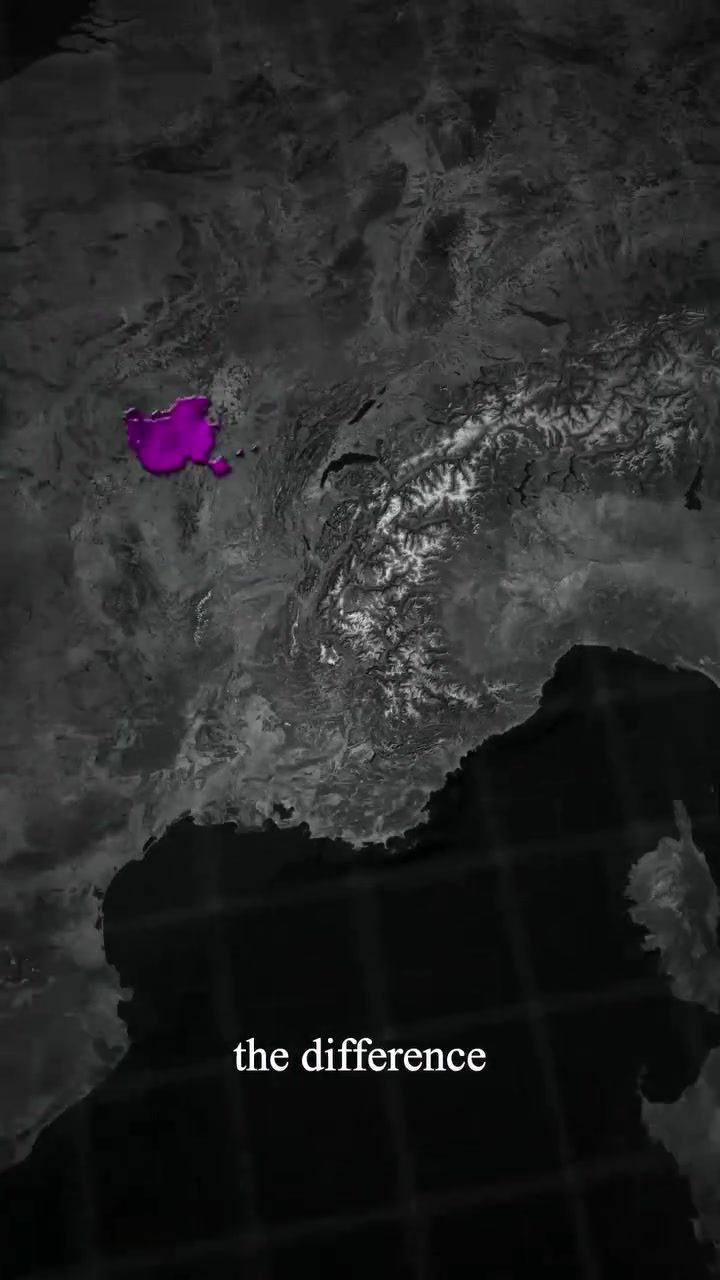
The Biggest Split in Christian History
Christianity's journey over the centuries has been marked by significant events that have shaped its diverse denominations. Understanding the differences between Catholicism, Orthodoxy, and Protestantism is crucial for navigating the religious landscape today. These divisions were not arbitrary but result from historical events deeply rooted in geography and politics.
Why This Matters
The splits within Christianity have had profound impacts on the cultural and religious identities of various regions. Recognizing the origins and evolution of these branches helps in understanding the broader European and global religious map.
The Early Division: East vs. West
For thousands of years, Christianity was essentially one unified church. However, the Roman Empire's geographic and linguistic divisions set the stage for the first major split. The empire was divided into a Latin-speaking West, centered on Rome, and a Greek-speaking East, centered on Constantinople.
The Great Schism of 1054
In 1054, the Pope in Rome declared supremacy over all Christians. The Patriarch in Constantinople rejected this claim, leading to a schism along the lines of the Roman Empire's geographic divide. The Western Church, centered on Rome, became the Roman Catholic Church, while the Eastern Church, centered on Constantinople, became the Orthodox Church. This east-west divide remains a significant cultural and religious boundary in Europe today.
The Reformation and the Birth of Protestantism
Five centuries after the Great Schism, another transformative event further fragmented Christianity. In 1517, Martin Luther, a German monk, nailed 95 theses to the church door in Wittenberg. Luther's actions were a protest against the Catholic Church's practice of selling indulgences for forgiveness and a call for the Bible to be the sole authority rather than the Pope or church tradition.
The Spread of the Reformation
Luther's Reformation spread rapidly through Northern Europe, gaining traction in Germany, Scandinavia, England, and the Netherlands. This movement led to the emergence of Protestantism, which emphasized the authority of scripture and individual faith. The Reformation challenged the central authority of the Catholic Church, leading to the birth of numerous Protestant denominations.
Geographical Impact
The Reformation's geographic footprint is evident today. Northern Europe is predominantly Protestant, while Southern Europe remains largely Catholic. This divide reflects the historical spread of Luther's ideas and the political dynamics of the time.
The Fracture into Dozens of Branches
Within decades of the Reformation, Christianity had fractured into numerous new branches. Each branch has its unique beliefs and practices, but all share a common foundation in the teachings of Jesus Christ. Understanding the key differences among Catholicism, Orthodoxy, and Protestantism provides a clearer picture of Christianity's rich tapestry.
Key Differences
- Catholicism: Recognizes the Pope as the supreme authority and emphasizes tradition, sacraments, and the hierarchy of the church.
- Orthodoxy: Emphasizes tradition and the mystical experience of faith, with a strong emphasis on liturgy and the divine presence in worship.
- Protestantism: Places the Bible as the sole authority and emphasizes personal faith and the direct relationship between the individual and God.
Practical Tips for Understanding Christian Denominations
Navigating the complexities of Christian denominations can be challenging, but there are practical steps to gain a deeper understanding:
- Read Historical Accounts: Delve into historical texts and accounts to understand the context and motivations behind major splits.
- Visit Religious Sites: Explore churches, cathedrals, and monasteries from different denominations to experience their unique architectural and liturgical traditions.
- Engage in Dialogue: Speak with members of different denominations to gain firsthand insights into their beliefs and practices.
Important Takeaways
The divisions within Christianity are not merely historical curiosities but have significantly shaped the religious and cultural landscape of Europe and beyond. Recognizing the roots and evolution of these splits provides a deeper appreciation for the diversity within Christianity.
Conclusion
The splits within Christianity—from the Great Schism of 1054 to the Reformation in the 16th century—have left an indelible mark on the religious and cultural fabric of Europe and the world. Understanding these historical events and their geographic implications offers a richer perspective on the diverse branches of Christianity today. Whether you are a believer or an observer, recognizing these divisions enhances your comprehension of the Christian faith and its enduring influence on global societies.
Watch the Reel
Related deep dives
Similar reads based on topic and creator.




Recent articles
Fresh deep dives from the latest Reels we unpacked.




Comments
Be the first to comment.