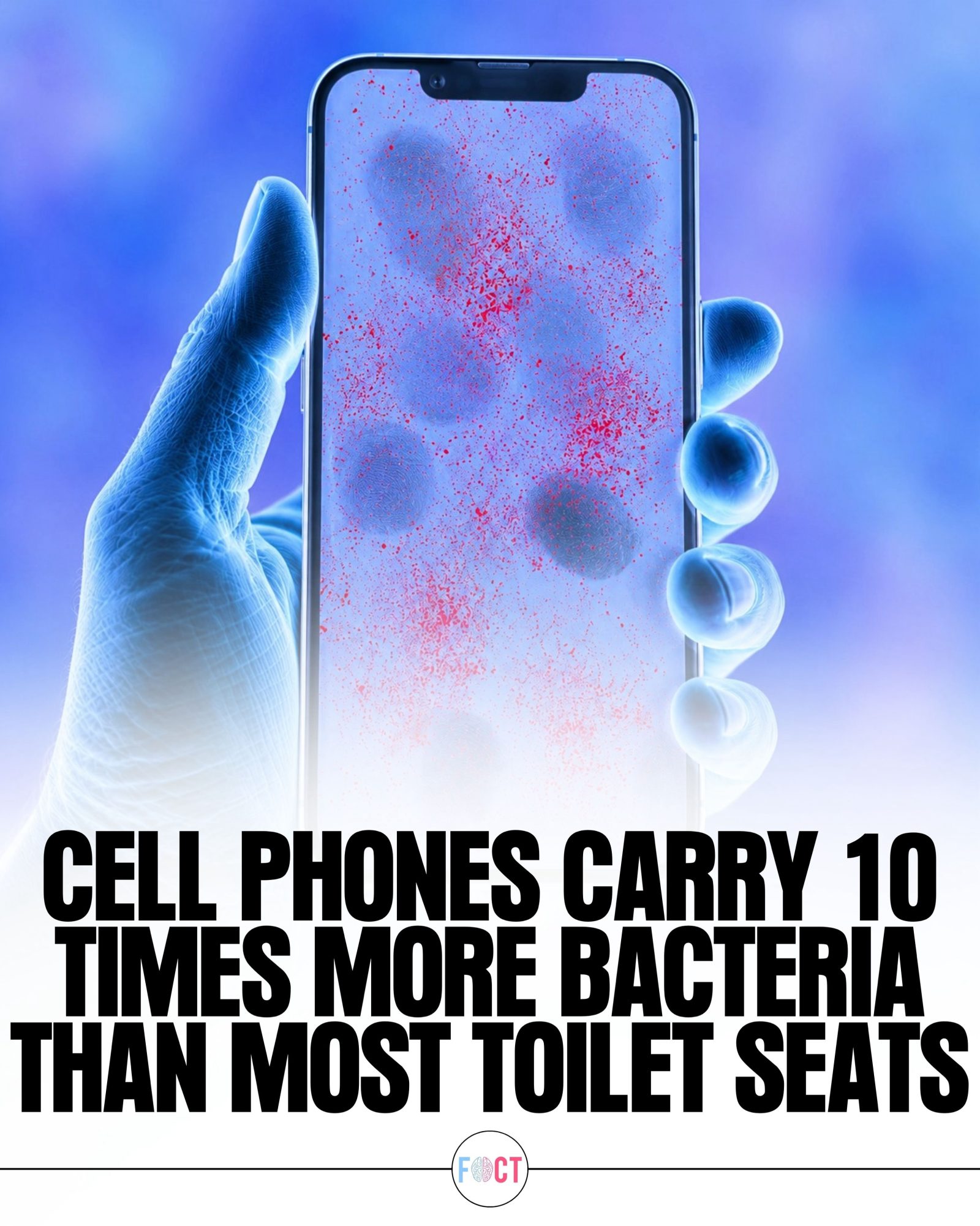
Phone Hygiene: Why Your Smartphone Might Be Dirtier Than You Think
Smartphones have become an integral part of daily life, serving as our communication hub, entertainment center, and even a personal assistant. However, this constant use and exposure make them prime real estate for bacteria and germs. Studies have shown that the average smartphone can harbor ten times more bacteria than many toilet seats, making it one of the dirtiest objects you touch every day.
Why This Matters
The bacteria on your smartphone aren't just gross; they can also pose health risks. While most of these microbes are harmless and come from your own skin, phones can pick up germs from various surfaces, including hands, pockets, kitchen counters, gym equipment, and bathroom surfaces. Regularly cleaning your phone and washing your hands can significantly reduce the buildup of potentially harmful microbes, thus safeguarding your health.
Main Discussion
The Bacteria on Your Phone
Smartphones are handled constantly, carried everywhere, and rarely cleaned, making them ideal breeding grounds for bacteria. Most of the bacteria on your phone come from your own skin, but there are also germs picked up from various surfaces you interact with daily.
Common Sources of Phone Bacteria
Your phone comes into contact with a multitude of surfaces throughout the day, each potentially harboring different types of bacteria. Some of the most common sources include:
- Hands: Your hands touch countless surfaces and objects daily, picking up bacteria that can then be transferred to your phone.
- Pockets: Items in your pockets can carry dirt and bacteria, which are then transferred to your phone when it's placed in your pocket.
- Kitchen Counters: These surfaces are often contaminated with food particles and bacteria, which can be transferred to your phone if it's placed on the counter.
- Gym Equipment: Gyms are breeding grounds for bacteria, including staph and E. coli, which can be transferred to your phone if you use it while working out.
- Bathroom Surfaces: Toilets, sinks, and other bathroom surfaces can harbor bacteria like E. coli and staph, which can be transferred to your phone if it's used in the bathroom.
The Impact of Poor Phone Hygiene
Poor phone hygiene can have significant implications for your health. Bacteria and germs on your phone can cause skin infections, eye infections, and even respiratory infections. In some cases, these infections can be severe and require medical treatment. Regularly cleaning your phone and washing your hands can help mitigate these risks.
Practical Tips for Maintaining Phone Hygiene
Keeping your smartphone clean doesn't have to be difficult. Here are some practical tips to help you maintain good phone hygiene:
Regular Cleaning
Use appropriate disinfectant wipes to regularly clean your phone. Make sure to choose wipes that are safe for your phone's screen and won't damage the protective coating.
Wash Your Hands
Wash your hands frequently with soap and water, especially before handling your phone. This simple practice can significantly reduce the number of germs transferred to your phone.
Avoid Using Your Phone in Dirty Areas
Try to avoid using your phone in areas where bacteria are likely to be present, such as the bathroom or kitchen. If you must use your phone in these areas, clean it thoroughly afterward.
Use a Phone Case
A phone case can provide an extra layer of protection against bacteria and germs. Choose a case that's easy to clean and can be sanitized regularly.
Don't Share Your Phone
Sharing your phone with others can increase the risk of bacteria and germs being transferred. If you must share your phone, clean it thoroughly afterward.
Important Takeaways
1. Bacteria on Your Phone Can Be Harmful
While most of the bacteria on your phone are harmless, some can cause infections and other health issues. Regular cleaning and good hygiene practices can help mitigate these risks.
2. Regular Cleaning Is Essential
Cleaning your phone regularly with appropriate disinfectant wipes and washing your hands can significantly reduce the buildup of potentially harmful microbes.
3. Be Mindful of Where You Use Your Phone
Avoid using your phone in areas where bacteria are likely to be present, and clean it thoroughly if you must.
4. Sharing Your Phone Can Increase Risk
Sharing your phone with others can increase the risk of bacteria and germs being transferred. If you must share your phone, clean it thoroughly afterward.
5. A Phone Case Can Provide Extra Protection
A phone case can provide an extra layer of protection against bacteria and germs. Choose a case that's easy to clean and can be sanitized regularly.
Conclusion
Maintaining good phone hygiene is essential for safeguarding your health. By regularly cleaning your phone, washing your hands, and being mindful of where you use your phone, you can significantly reduce the risk of bacteria and germs being transferred. Be proactive in your phone hygiene practices to keep your device clean and safe.
Watch the Reel
Questions readers ask
How often should I clean my smartphone to reduce bacteria?
It is recommended to clean your smartphone at least once a day, especially if you use it in public places or share it with others. Regular cleaning helps minimize the accumulation of bacteria and germs.
What is the best way to clean my smartphone to remove germs?
Use a soft, lint-free cloth slightly dampened with a mixture of water and isopropyl alcohol (at least 70%) to gently wipe your smartphone. Avoid using harsh chemicals or abrasive materials that could damage the screen or exterior. Also, never submerge your phone in water.
What surfaces can transfer the most bacteria to my smartphone?
High-touch surfaces in public spaces or shared environments, such as door handles, shopping carts, and public transportation can transfer significant amounts of bacteria to your smartphone. Additionally, surfaces in the kitchen, bathroom, and gym can also contribute to the accumulation of germs.
Is it safe to use disinfecting wipes on my smartphone?
While some disinfecting wipes can be safe to use, it's important to choose wipes that are alcohol-free and specifically designed for electronic devices. Alcohol-based wipes can be used, but ensure the concentration is at least 70% and avoid excessive moisture. Always check the manufacturer's guidelines first.
Can the bacteria on my smartphone make me sick?
While most bacteria on smartphones are harmless, some can potentially make you sick. Pathogens like E. coli, influenza, and even COVID-19 can survive on surfaces for varying periods. Regular cleaning helps reduce the risk of transferring these germs to your face, especially your mouth, nose, and eyes.
What are some practical smartphone hygiene tips for daily use?
Avoid using your smartphone in the bathroom, and wash your hands before and after handling it. Use a phone case to protect your device and make cleaning easier. Also, avoid sharing your phone with others to minimize the transfer of germs. Regularly wipe down your phone with a suitable cleaning agent.
Do different parts of the phone harbor more bacteria than others?
Yes, certain areas of the smartphone can harbor more bacteria. The screen, being the most frequently touched, often has the highest concentration of germs. However, the edges, corners, and back of the phone, especially if it's kept in a pocket or bag, can also accumulate significant amounts of bacteria.
Related deep dives
Similar reads based on topic and creator.




Recent articles
Fresh deep dives from the latest Reels we unpacked.




Comments
Be the first to comment.