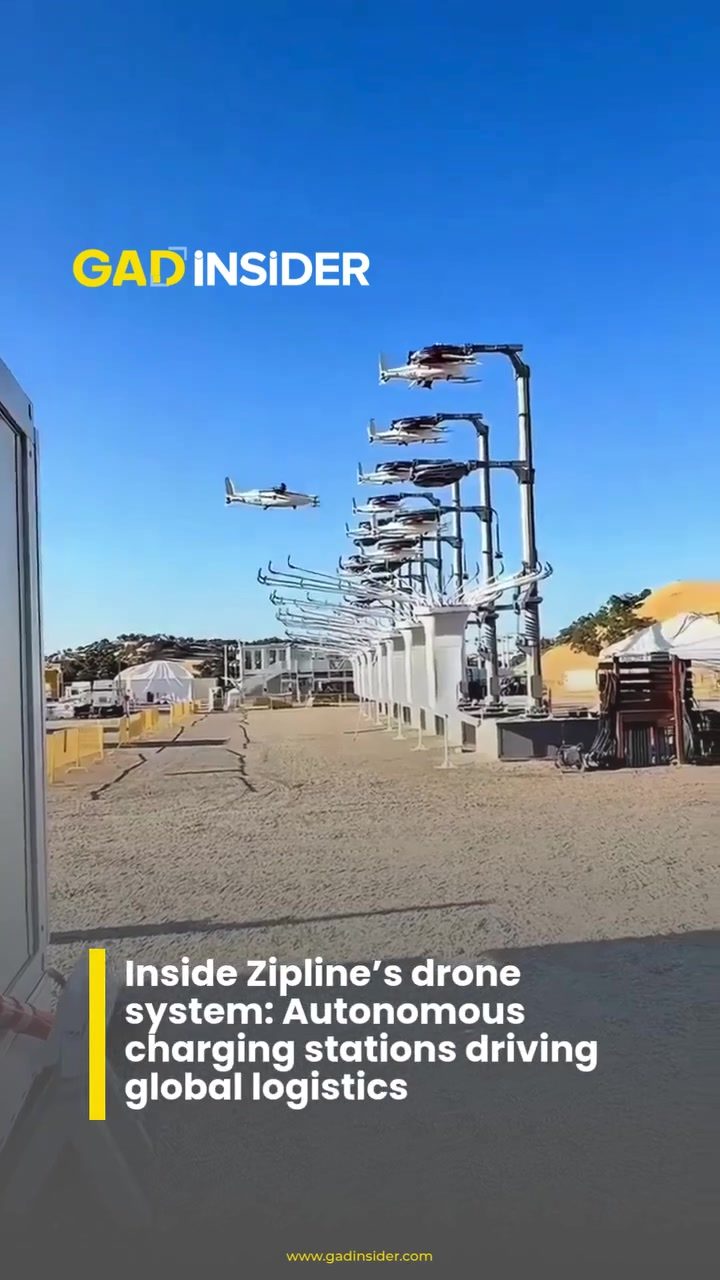
Drone Charging Stations: Revolutionizing Global Logistics
Zipline's drone charging stations are transforming the way we think about logistics and delivery. These smart charging stations, part of a broader autonomous drone delivery system, are designed to streamline the process of delivering goods from medical supplies to food. By enabling drones to dock, recharge, and relaunch automatically, these stations facilitate fast, zero-emission delivery without the need for human intervention.
Why This Matters
The integration of drone charging stations into logistics infrastructure is crucial for several reasons. Firstly, the demand for fast and efficient delivery of essential goods, such as medical supplies, is growing rapidly. Traditional delivery methods often involve significant downtime and human error, which can lead to delays and inefficiencies. Autonomous drone delivery systems address these issues by providing a reliable and efficient way to transport goods over long distances.
Moreover, the environmental impact of traditional delivery methods is a growing concern. Fossil fuel-powered vehicles contribute significantly to greenhouse gas emissions, exacerbating climate change. In contrast, drones powered by electricity offer a much cleaner and more sustainable alternative.
Main Discussion
The Technology Behind Drone Charging Stations
Drone charging stations are a critical component of autonomous drone delivery systems. They are designed to support the fast and efficient recharging of multiple drones simultaneously. These stations typically feature a complex metal structure that allows drones to dock and recharge autonomously. The technology involves advanced sensors and algorithms that enable drones to navigate and align with charging ports accurately.
How Autonomous Charging Works
Autonomous charging is made possible through a combination of hardware and software innovations. The drones are equipped with sophisticated sensors and navigation systems that allow them to locate and dock with charging stations independently. Once docked, the charging process begins automatically, ensuring that the drones are ready to relaunch as soon as they are fully charged.
The Role of Global Logistics
Drone charging stations play a pivotal role in global logistics by enabling the seamless and efficient transportation of goods over long distances. These stations are strategically placed along key delivery routes to ensure that drones can recharge and continue their journeys without interruption. This network of charging stations allows for the rapid and reliable delivery of goods, making it possible to meet the growing demand for fast and efficient logistics solutions.
Use Cases and Applications
Drone charging stations have a wide range of applications, from delivering medical supplies to transporting food. Medical supplies, especially in remote or hard-to-reach areas, require fast and reliable delivery to save lives. Autonomous drones equipped with charging stations can transport these supplies quickly, ensuring that they reach their destination in the shortest possible time. Similarly, food deliveries can benefit from the efficiency and speed of drone delivery, making it possible to transport perishable items over long distances without compromising their quality.
Medical Supplies
One of the most significant applications of drone charging stations is in the delivery of medical supplies. In remote or underserved areas, access to timely medical care can be challenging. Autonomous drones equipped with charging stations can transport critical medical supplies, such as vaccines, blood products, and emergency medications, to these areas quickly and efficiently. This ensures that patients receive the care they need when they need it most.
Food Deliveries
Food deliveries are another area where drone charging stations can make a significant impact. The food industry is highly competitive, and consumers expect fast and reliable deliveries. Autonomous drones equipped with charging stations can transport food over long distances, ensuring that it arrives fresh and on time. This is particularly important for perishable items, such as fresh produce and frozen goods, which require fast and efficient transportation to maintain their quality and safety.
Practical Tips
When implementing drone charging stations in logistics operations, it's essential to consider the following practical tips:
- Strategic Placement: Charging stations should be strategically placed along key delivery routes to ensure that drones can recharge and continue their journeys without interruption. This requires careful planning and analysis of delivery patterns and routes.
- Scalability: The system should be designed to handle a large number of drones simultaneously, ensuring that it can scale as the demand for drone deliveries grows. This involves investing in robust and efficient charging infrastructure that can support multiple drones at once.
- Maintenance and Monitoring: Regular maintenance and monitoring are crucial to ensure the reliability and efficiency of drone charging stations. This involves conducting regular inspections, performing routine maintenance, and addressing any issues that arise promptly.
- Integration with Existing Logistics: Drone charging stations should be integrated with existing logistics infrastructure to ensure seamless and efficient operations. This requires collaboration with logistics providers and the development of integrated systems that can manage and coordinate drone deliveries.
Important Takeaways
Drone charging stations are revolutionizing the logistics industry by enabling fast, efficient, and sustainable delivery of goods. These stations play a critical role in the autonomous drone delivery system, allowing drones to dock, recharge, and relaunch automatically. The integration of drone charging stations into logistics infrastructure has numerous benefits, including faster delivery times, reduced environmental impact, and enhanced reliability. Use cases in medical supplies and food delivery highlight the versatility and potential of this technology to transform global logistics.
Conclusion
Zipline's drone charging stations represent a significant advancement in logistics and delivery systems. By enabling autonomous and efficient drone delivery, these stations address the growing demand for fast and reliable transportation of essential goods. The strategic placement, scalability, and integration of drone charging stations are critical for their successful implementation. As this technology continues to evolve, it holds the promise of transforming global logistics, making deliveries faster, more efficient, and more sustainable.
Watch the Reel
Questions readers ask
How do Zipline's drone charging stations enhance the efficiency of logistics operations?
Zipline's drone charging stations allow drones to dock, recharge, and relaunch autonomously. This eliminates the need for human intervention, speeds up the delivery process, and ensures that essential supplies can be transported quickly and efficiently.
What types of goods can be delivered using Zipline's autonomous drone delivery system?
Zipline’s system is designed to deliver a wide range of essential goods, including medical supplies, food, and other urgent items. This versatility makes it a valuable tool in various sectors, from healthcare to retail.
How do drone charging stations contribute to eco-friendly logistics?
Drone charging stations support eco-friendly logistics by enabling zero-emission delivery. Drones powered by electricity produce no harmful emissions, making them a sustainable alternative to traditional delivery methods that rely on fossil fuels.
What are the benefits of autonomous drone charging for global logistics?
Autonomous drone charging allows for continuous, uninterrupted delivery operations. This ensures that goods can be delivered around the clock, meeting the growing demand for fast and reliable logistics solutions without the need for constant human oversight.
How does Zipline's technology address the challenges of delivering essential supplies in remote areas?
Zipline's drone logistics system is particularly effective in remote areas where traditional delivery methods may be slow or impractical. The autonomous drone delivery system can quickly and efficiently transport essential supplies to locations that are difficult to access, improving response times and saving lives.
What is the process of docking and recharging drones at these smart charging stations?
The process involves drones autonomously navigating to the charging station, docking in a designated spot, and then recharging their batteries. Once recharged, the drones can immediately relaunch to continue their delivery missions, ensuring minimal downtime and maximum efficiency.
How does the integration of drone charging stations benefit the overall logistics infrastructure?
The integration of drone charging stations streamlines logistics infrastructure by reducing the need for manual labor and increasing delivery speeds. This innovation supports the broader goal of creating a more efficient and sustainable logistics network, capable of handling the growing demand for rapid delivery of essential goods.
Related deep dives
Similar reads based on topic and creator.


Recent articles
Fresh deep dives from the latest Reels we unpacked.




Comments
Be the first to comment.