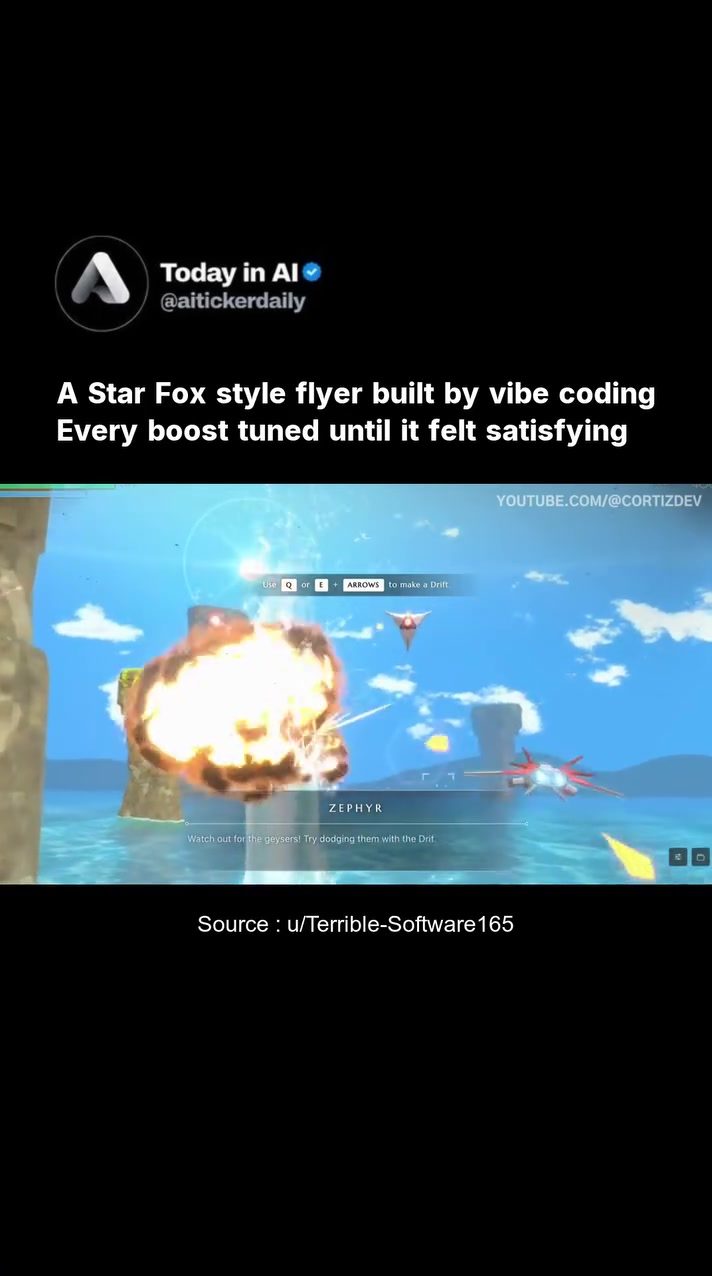
Zephyria: A Star Fox Inspired Flying Game Built through Vibe Coding
The process of creating a dynamic, enjoyable video game is never a straightforward one, especially when developing a game that incorporates intricate mechanics like flying and combat. Zephyria, a game inspired by the classic Star Fox series, is a unique example of how a solo creator can achieve high-quality gameplay and visuals without the support of a traditional studio pipeline. The game’s development showcases the potential of vibe coding, highlighting how meticulous tuning of game mechanics can result in a satisfying player experience.
Why This Matters
The development of Zephyria offers a fascinating look into the modern gaming landscape, where individual creators can produce polished games that rival those made by large studios. This game stands out due to several factors: its development method, its focus on gameplay feel, and its innovative use of procedural generation. Zephyria serves as a testament to the power of passion and dedication in game development, and it offers valuable insights into how to create a game that feels great to play.
Vibe Coding and Game Feel
Vibe coding is an approach to game development that emphasizes intuitive, feel-based design over rigid, data-driven methodologies. In the case of Zephyria, vibe coding is used extensively to fine-tune the game’s mechanics, particularly the flying mechanics, which are central to the gameplay experience. Traditional game development often relies on a structured pipeline where each component is meticulously planned and executed. However, vibe coding allows for a more organic development process, where the creator iterates based on the feel of the game rather than strict design documentation. This method is particularly effective for games like Zephyria, where the core experience is the joy of flying and maneuvering through various environments.
Enhancing Player Experience
One of the key features of Zephyria is the extensive tuning of its boost, dodge, and turn mechanics. The creator of the game has spent countless hours perfecting these elements to ensure that the player feels a sense of satisfaction and control while navigating through the game’s levels. This level of polish is often associated with larger development teams, but Zephyria demonstrates that a solo developer can achieve similar results with the right approach. The game’s environments, such as the water-level with geysers and other obstacles, add to the immersive experience, making the game visually and mechanically engaging.
Main Discussion
Boost Mechanics and Gameplay Satisfaction
Zephyria’s boost mechanics are finely tuned to provide a satisfying experience. The game employs a series of geysers and other obstacles that require precise maneuvering, making the use of boosts and dodges absolutely vital. This level of precision in the boost mechanics ensures that players feel a sense of accomplishment and control as they navigate through the game. The on-screen text "Every boost tuned until it felt satisfying" highlights the creator’s dedication to ensuring that every aspect of the game feels just right.
Procedural Asset Generation
The game also features procedural asset generation, which adds a layer of unpredictability and dynamism to the gameplay. Procedural generation involves the use of algorithms to create game levels, items, and other elements, allowing for an endless variety of experiences without the need for manual creation. This technique not only saves time and resources but also enhances the game’s replayability. Players can explore new environments and face different challenges, making each playthrough unique. This is particularly evident in the aerial combat sections, where the placement and behavior of enemy types like aerial mines add an element of surprise and challenge.
Cinematic Integration
In addition to the gameplay mechanics, the latest update for Zephyria includes the addition of in-game cinematics, which elevate the narrative and emotional impact of the game. These cinematics provide context and depth to the gameplay, making the player more invested in the story and characters. The integration of cinematics showcases the game’s potential for storytelling and immersion, further enhancing the overall experience.
Practical Tips
Tuning Game Mechanics
For aspiring game developers, the development of Zephyria offers several practical tips on how to create a game that feels great to play. One of the most important lessons is the importance of tuning game mechanics. By focusing on the feel of the game, developers can ensure that the core experience is satisfying and engaging. This involves iterating on the mechanics, testing them repeatedly, and making adjustments based on how they feel. The developer’s dedication to tuning the boost, dodge, and turn mechanics in Zephyria demonstrates the value of this approach.
Using Procedural Generation
Procedural generation is a powerful tool that can add depth and variety to a game. By using algorithms to generate game elements, developers can create unique and unpredictable experiences. This technique is particularly useful for games with large environments or levels, where manual creation would be time-consuming and resource-intensive. Procedural generation not only saves time but also ensures that each playthrough feels fresh and exciting.
Incorporating Cinematics
Cinematics can greatly enhance the narrative and emotional impact of a game. By incorporating cutscenes and other cinematic elements, developers can provide context and depth to the gameplay, making the player more invested in the story and characters. Cinematics can also serve as a break from the gameplay, giving players a chance to appreciate the game’s narrative and visual style.
Important Takeaways
The development of Zephyria highlights several key takeaways for game developers and enthusiasts alike. First, it demonstrates the power of vibe coding in creating a game that feels great to play. By focusing on the intuitive, feel-based design, developers can ensure that the core experience is satisfying and engaging. Second, it showcases the value of procedural generation in adding depth and variety to a game. Finally, it emphasizes the importance of cinematics in enhancing the narrative and emotional impact of a game.
Conclusion
Zephyria is a testament to the potential of solo game development, demonstrating how a dedicated creator can achieve high-quality results without the support of a traditional studio pipeline. The game’s focus on vibe coding, meticulous tuning of mechanics, and innovative use of procedural generation and cinematics make it a standout title in the modern gaming landscape. For anyone interested in game development, Zephyria offers valuable insights into how to create a game that feels great to play and provides a satisfying experience for players.
Watch the Reel
Questions readers ask
What exactly is vibe coding in game development?
Vibe coding is an approach to game development that prioritizes intuitive, feel-based design over traditional, data-driven methods. It focuses on creating a satisfying and immersive experience by meticulously tuning game mechanics to evoke the right emotions and sensations, making it particularly effective for dynamic, fast-paced games like Zephyria.
How does vibe coding differ from traditional game development methods?
Unlike traditional methods that rely heavily on data and analytics, vibe coding is about crafting gameplay based on how it feels to the player. This approach allows developers to focus on the joy and immersion of the experience, rather than just optimizing for performance metrics.
Can a solo developer create a high-quality game using vibe coding?
Absolutely. Zephyria is a prime example. By focusing on the feel and intuitive design, a solo developer can create a polished, immersive game. The game's dynamic flying experience and engaging combat mechanics demonstrate that vibe coding can lead to a high-quality gaming experience, even without a team.
What makes Zephyria inspired by Star Fox?
Zephyria draws inspiration from the classic Star Fox series through its dynamic flying mechanics and immersive environments. The game emphasizes the joy of flying and maneuvering through complex, ever-changing landscapes, evoking the same sense of thrill and adventure found in the original Star Fox games.
What are some key techniques used in vibe coding?
Vibe coding techniques involve a lot of iteration and fine-tuning. Developers focus on boosting game mechanics that create a unique feel, such as tweaking flight dynamics, adjusting collision responses, and enhancing visual feedback to make the experience more satisfying for the player.
How does Zephyria ensure an immersive flying experience?
Zephyria achieves an immersive flying experience by prioritizing intuitive controls and responsive gameplay. The game's dynamic environments and vibrant visuals further enhance the sensation of speed and movement, making the player feel truly in control of their aircraft and the action.
Related deep dives
Similar reads based on topic and creator.

Recent articles
Fresh deep dives from the latest Reels we unpacked.




Comments
Be the first to comment.