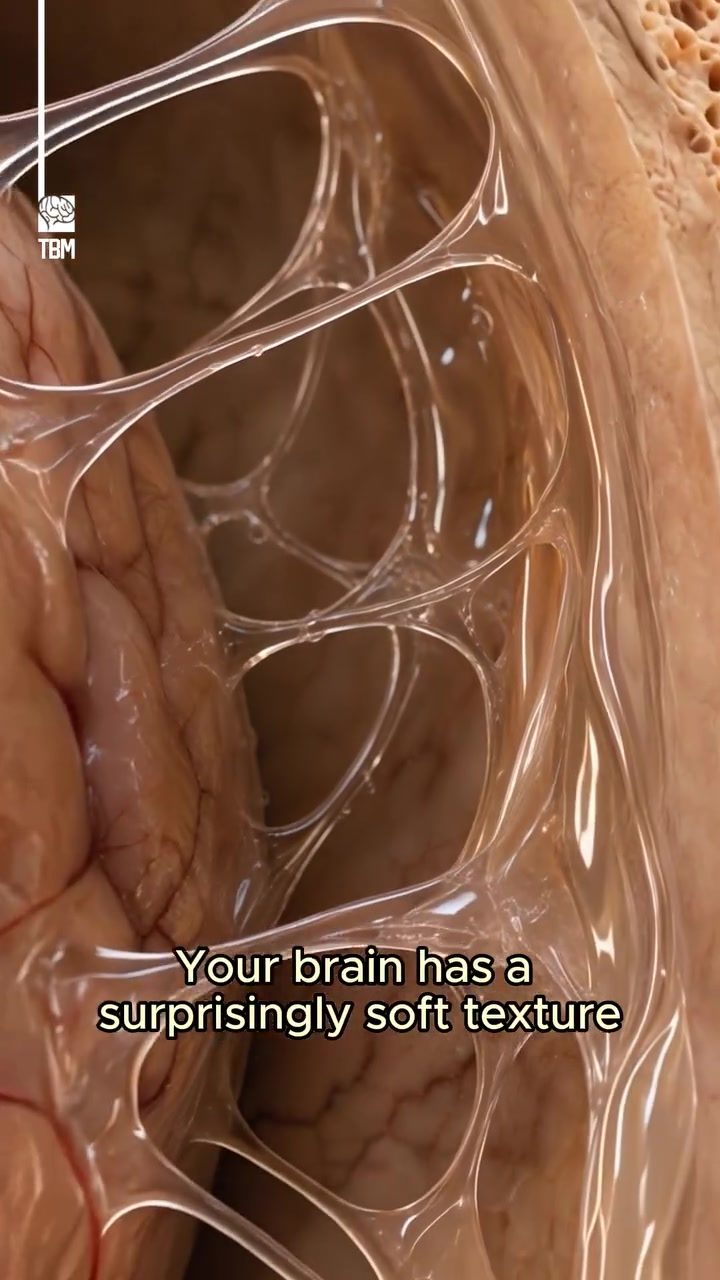
The Brain’s Protective Fluid
The brain is a delicate organ, and it operates within a complex system designed to protect it from everyday impacts. Your brain isn't tightly attached to the inside of your skull. Instead, it floats within a clear liquid known as cerebrospinal fluid (CSF). This fluid serves as a cushion, absorbing minor bumps and impacts that occur during daily activities. The system is remarkably effective under normal conditions, but it has its limitations.
Context: Why This Matters
Understanding the brain's protective mechanisms is crucial for recognizing when an impact may cause serious injury. The brain's soft texture, similar to gelatin, makes it vulnerable to rapid movements within the skull. This knowledge can help identify potential risks and the need for medical evaluation following a significant impact.
Main Discussion
The Role of Cerebrospinal Fluid
Cerebrospinal fluid is a clear, colorless liquid that surrounds the brain and spinal cord. It acts as both a cushion and a shock absorber, providing a protective layer between the brain and the skull. This fluid is constantly produced and reabsorbed, maintaining a steady pressure that helps the brain float gently within the skull. However, this protective system is not designed to withstand severe impacts.
The Impact of Violent Jolts
A powerful blow to the head, a violent jolt to the neck, or even a hard impact to the upper body can cause the brain to move rapidly back and forth inside the skull. During this movement, the brain may strike the inner walls of the skull, stretching and damaging delicate blood vessels and brain tissue. In severe cases, this can lead to bleeding in or around the brain, increasing pressure inside the skull. This is a critical point to recognize, as it underscores the importance of evaluating symptoms following a significant impact.
Symptoms to Watch For
Symptoms that may indicate a serious brain injury include:
- Severe headache
- Persistent confusion
- Unusual drowsiness
- Repeated vomiting
- Difficulty speaking
- Loss of balance
- Loss of consciousness
If any of these symptoms are present after an impact, seek immediate medical evaluation. Early intervention can prevent further damage and help manage symptoms effectively.
The Brain’s Delicate Nature
The brain's soft texture is one of its most notable features. This softness makes it highly susceptible to damage from sudden movements or impacts. The protective system that includes cerebrospinal fluid works well in everyday situations, but it can fail under extreme conditions. Understanding this delicate nature can help in recognizing the potential for serious injury and taking appropriate measures to prevent it.
Practical Tips
Prevention and Safety
To minimize the risk of brain injury, consider the following tips:
-
Wear Protective Gear: Use helmets and other protective gear during activities that pose a risk of head or upper body impacts, such as sports, cycling, or motorcycling.
-
Be Aware of Surroundings: Avoid situations where falls or sudden impacts are likely. Pay attention to your environment and take precautions to prevent accidents.
-
Regular Check-ups: If you engage in high-risk activities, regular medical check-ups can help monitor brain health and detect potential issues early.
Responding to an Impact
If you or someone else experiences a significant impact, follow these steps:
-
Assess Symptoms: Check for the symptoms mentioned earlier. If any are present, seek immediate medical attention.
-
Rest and Recovery: Even if symptoms are mild, it's important to rest and avoid activities that could cause further injury.
-
Follow Medical Advice: If medical attention is sought, follow the prescribed treatment plan and attend all follow-up appointments.
Important Takeaways
- The brain's protective system, including cerebrospinal fluid, is designed for everyday impacts but can fail under extreme conditions.
- Rapid movements of the brain within the skull can cause significant damage to brain tissue and blood vessels.
- Symptoms of a severe brain injury include severe headache, confusion, vomiting, loss of balance, and loss of consciousness.
- Prevention through protective gear and awareness can minimize the risk of brain injury.
- Prompt medical evaluation is essential if symptoms of a serious brain injury are present.
Conclusion
The brain's protective mechanisms are designed to handle everyday impacts, but severe jolts can overwhelm the system, leading to serious injuries. Recognizing the symptoms of a brain injury and seeking immediate medical attention are crucial steps in preventing further damage and promoting recovery. By understanding the brain's delicate nature and taking preventive measures, we can better protect this vital organ and ensure its continued function.
Watch the Reel
Questions readers ask
What is cerebrospinal fluid and what role does it play in brain protection?
Cerebrospinal fluid (CSF) is a clear, liquid that surrounds the brain and spinal cord. Its primary role in brain protection is to act as a cushion, allowing the brain to float gently within the skull. This cushioning effect helps absorb minor impacts and reduces the risk of injury from everyday bumps and movements.
What happens to the brain during a significant impact, despite the protective fluid?
During a significant impact, the brain can still experience rapid movements within the skull. The brain's soft, gelatin-like texture makes it susceptible to injury, even with the protective cushioning of cerebrospinal fluid. This is why understanding the limitations of this protective system is crucial for recognizing when an impact may cause serious injury.
How does the brain's 'floating' mechanism help in preventing injury?
The brain's 'floating' mechanism, facilitated by cerebrospinal fluid, helps prevent injury by reducing direct contact with the skull. This allows the brain to move gently and absorb minor forces, rather than experiencing abrupt, forceful impacts. It is an essential component of the brain's safety mechanisms, particularly against everyday bumps and bruises.
What are the signs of a concussion or serious brain injury to look out for after a significant impact?
A concussion or serious brain injury can present with a variety of symptoms. Some common signs to look out for after a significant impact include headache, dizziness, nausea, confusion, and sensitivity to light or noise. In more severe cases, loss of consciousness, seizures, or prolonged memory loss may occur. If you experience any of these symptoms, seek medical attention promptly.
Can repeated head impacts lead to long-term brain injury, even if they seem minor?
Yes, repeated head impacts can lead to long-term brain injury, even if they seem minor at the time. The cumulative effect of these impacts, known as Chronic Traumatic Encephalopathy (CTE), can cause significant damage over time. This is why it's important to avoid unnecessary risks and take precautions to prevent repeated head impacts, even if they do not result in immediate symptoms.
Related deep dives
Similar reads based on topic and creator.



Recent articles
Fresh deep dives from the latest Reels we unpacked.




Comments
Be the first to comment.