Sibling Dynamics and the Impact of Birth Order
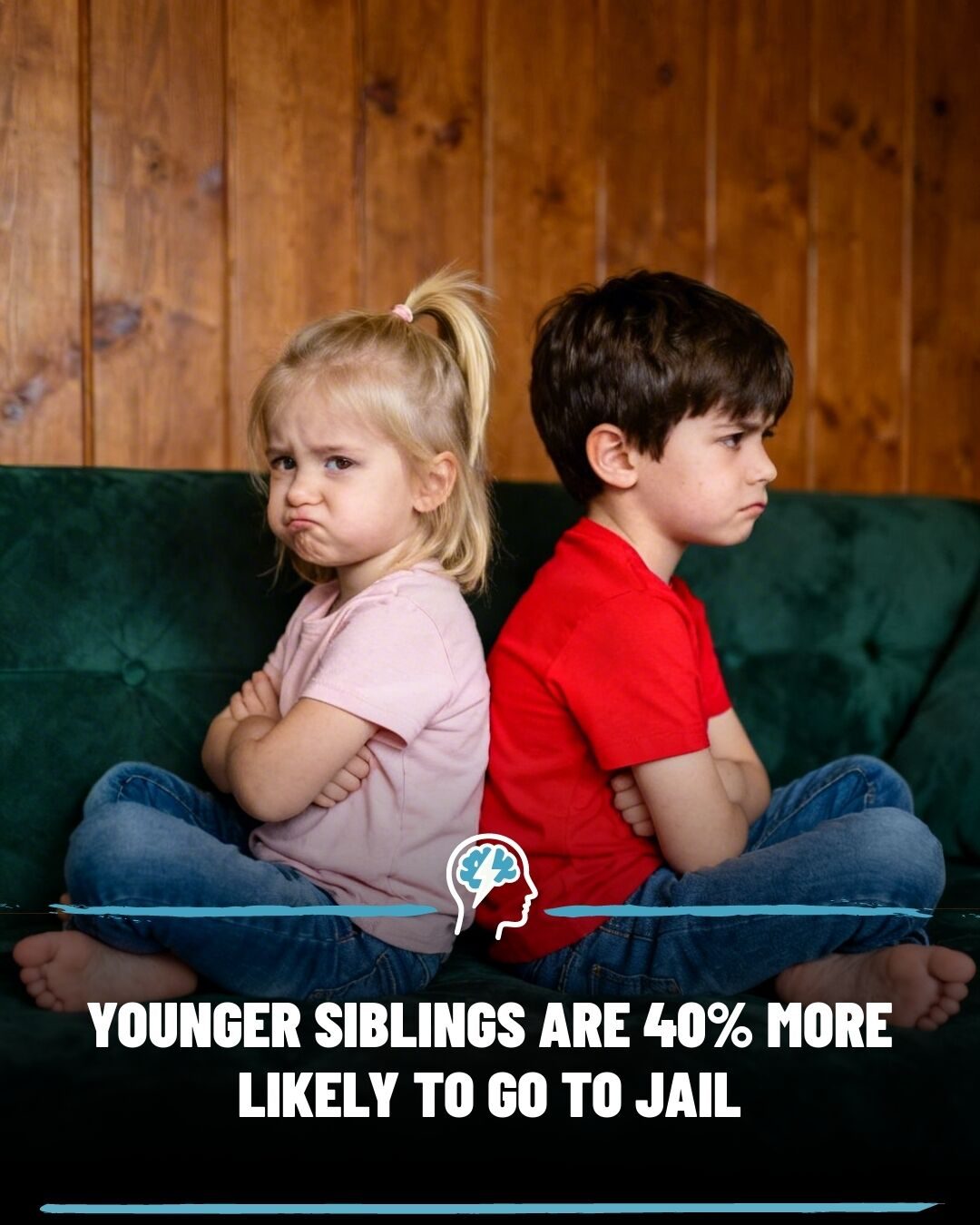
The likelihood of younger siblings encountering legal trouble has long been a topic of interest in social commentary. Research suggests that younger siblings, particularly second-born boys, are more likely to face school discipline and enter the criminal justice system compared to their older siblings.
Why This Matters
Understanding sibling dynamics is crucial for parents and caregivers. It sheds light on the complex interplay between birth order, parental attention, and behavioral patterns. This knowledge can help families support each child's unique needs and mitigate potential challenges.
Birth Order and Behavior Patterns
First-Born Children: The Pioneers
First-born children often receive undivided parental attention. This focus can influence their behavioral development. First-borns tend to model their behavior after parents and authority figures, which can foster a sense of responsibility and conformity. This early, concentrated attention can set a strong foundation for positive behavior and academic success.
Second-Born Children: The Followers
In contrast, second-born children often look to their older siblings as role models. This dynamic can have significant implications for their behavior. Older siblings' actions, whether positive or negative, can heavily influence younger siblings. Moreover, second-born children receive less one-on-one parental time, which can lead to feelings of neglect and a desire for attention. When older siblings engage in risky behavior, younger siblings are more likely to adopt similar patterns. This exposure can create a cycle of behavior that may lead to disciplinary issues and legal troubles.
The Role of Parental Resources
Competition for Attention
The competition for parental resources can create strain within families. Younger siblings may act out to gain more attention, especially if they feel they are receiving less than their older siblings. This competition can manifest in various ways, including increased disciplinary issues and conflict within the family.
Sibling Influence
The influence of older siblings on younger ones is profound. When older siblings engage in risky behavior, younger siblings are more likely to follow suit. This dynamic can perpetuate negative behavior patterns and increase the likelihood of younger siblings facing legal consequences.
Environmental Consistency
The pattern of younger siblings being more likely to face legal troubles holds across different environments, cultures, and social systems. This consistency suggests that birth order and sibling dynamics play a significant role in shaping behavior. However, it's important to note that family dynamics, socioeconomic factors, and individual circumstances are also crucial.
Understanding the Statistics
What the Data Shows
Research comparing sibling pairs in Denmark and Florida found that second-born boys were approximately 20 to 40% more likely to face school discipline and enter the criminal justice system compared to their older siblings. This statistic underscores the impact of birth order on behavioral outcomes.
Key Factors
While birth order is a significant factor, it is not the sole determinant of behavior. Family dynamics, socioeconomic factors, and individual circumstances play a crucial role. When researchers controlled for these factors, the birth order effect became less significant. This highlights the importance of a holistic approach to understanding sibling dynamics.
Practical Tips for Parents
Individual Attention
Every child needs individual attention and connection. Younger siblings can benefit from quality one-on-one time just as much as first-borns did early on. Being aware of sibling dynamics and ensuring each child feels seen may help mitigate potential behavioral issues.
Positive Role Models
Encouraging positive role models within the family can have a profound impact. Older siblings can be powerful influences, and fostering positive interactions and behaviors can help shape younger siblings' development.
Addressing Conflict
Conflict within the family can be addressed through open communication and mediation. Parents can help siblings resolve conflicts constructively, which can reduce the strain and promote a healthier family dynamic.
Important Takeaways
Birth Order Dynamics
Birth order plays a significant role in shaping sibling dynamics. The attention and role models available to each child can influence their behavior and development.
Holistic Approach
A holistic approach to family dynamics is crucial. Birth order is just one piece of a larger puzzle, and family dynamics, socioeconomic factors, and individual circumstances are equally important.
Supporting Each Child
Each child has unique needs and requires individual attention. Ensuring that every child feels seen and valued can help mitigate potential behavioral issues and legal troubles.
Conclusion
Sibling dynamics are complex and multifaceted. Understanding the impact of birth order on behavior can help families support each child's unique needs. By providing individual attention, fostering positive role models, and addressing conflict constructively, parents can create a supportive environment that promotes positive development.
Watch the Reel
Questions readers ask
How does birth order influence the likelihood of younger siblings facing legal trouble?
Birth order can significantly impact a child's behavior and life outcomes. Younger siblings, particularly second-born boys, often face a higher risk of legal involvement. This is often due to competing for parental attention with older siblings and mimicking behaviors they observe.
Why are second-born boys more likely to experience school discipline and legal issues?
Second-born boys often emulate the behaviors of their older siblings, which can include both positive and negative actions. Additionally, they may face more intense competition for parental attention, leading to increased frustration and potentially disruptive behaviors in school.
What role does parental attention play in the behaviors of younger siblings?
Parental attention can greatly influence a child’s behavior. Younger siblings, who may receive less undivided attention compared to their first-born counterparts, might engage in more attention-seeking behaviors, which can sometimes manifest as misconduct.
How can understanding sibling dynamics help families mitigate potential challenges?
By recognizing the unique needs and pressures faced by each child, families can tailor their support and intervention strategies. This might include giving younger siblings more individual attention, setting clear expectations, and fostering a positive environment to reduce sibling rivalry.
What are some ways to reduce the risk of younger siblings following negative behavioral patterns set by older siblings?
Encourage open communication and role modeling of positive behaviors. Engage younger siblings in independent activities to build their self-esteem and provide them with separate, personal time with parents. Setting clear boundaries and expectations can also help guide younger siblings towards making better choices.
How does the power dynamic between siblings influence younger siblings’ behavior?
The power dynamic can heavily influence a younger sibling's behavior. Younger siblings may feel pressured to emulate their older siblings, leading to adopting similar behaviors. They may also feel the need to compete for attention, which can result in more aggressive or disruptive actions, increasing the risk of legal trouble.
What can parents and caregivers do to support the unique needs of younger siblings in a family?
Parents and caregivers can support younger siblings by being aware of their unique needs and the pressures they face. This might involve dedicating specific one-on-one time, encouraging independence, and promoting open communication. Understanding the dynamics of birth order can help address specific challenges and foster a more supportive environment.
Related deep dives
Similar reads based on topic and creator.



Recent articles
Fresh deep dives from the latest Reels we unpacked.




Comments
Be the first to comment.